A board-certified otolaryngologist explains that while nasal sanitizers like Nozin can reduce surface bacteria, they are limited in effectiveness against deep-seated respiratory viruses. Experts recommend these tools only as complementary measures to primary prevention strategies such as vaccination and hand hygiene.
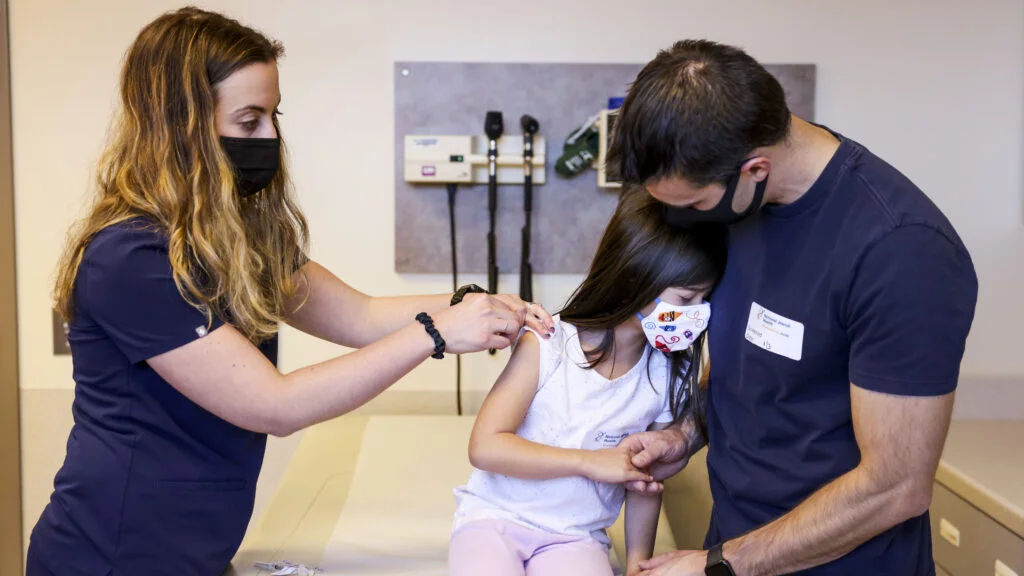
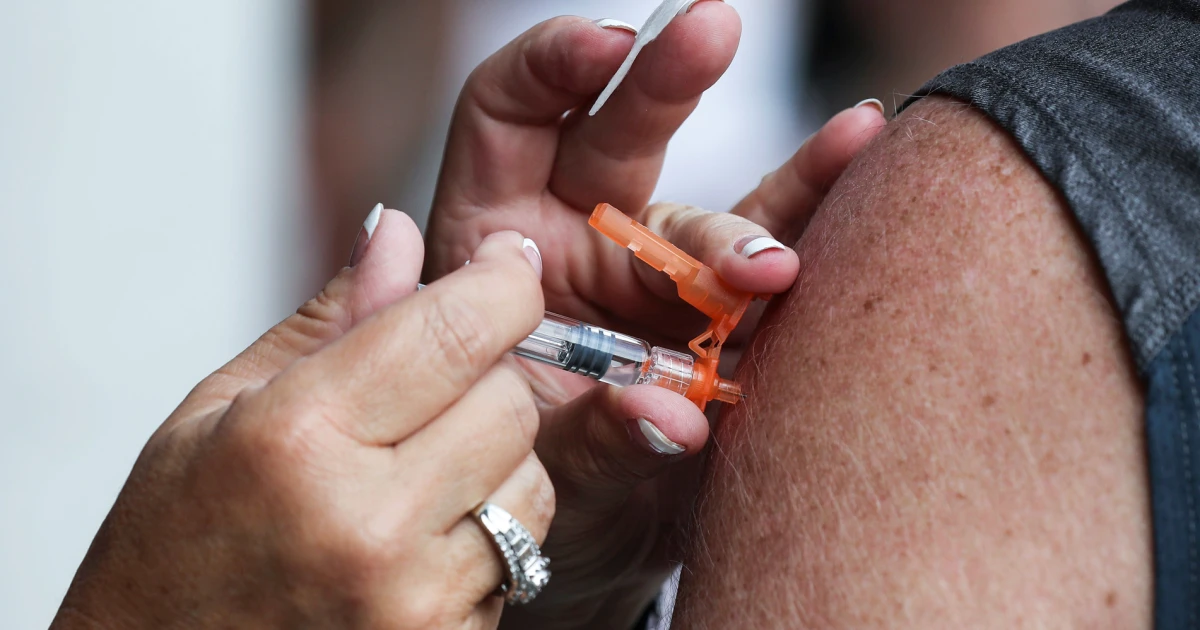
While basic hygiene measures like handwashing and masking help block germs, daily habits and vaccination are critical for strengthening the immune system against viruses that bypass initial defenses. According to The Washington Post, vaccination remains one of the most effective strategies, as it consistently prevents severe disease and hospitalization even when it does not stop infection entirely.
An independent analysis of 2023 CDC data ranks Detroit, Michigan, as the US metropolitan area with the highest combined rate of chlamydia, gonorrhea, syphilis, and HIV. The list, compiled by Innerbody Research, highlights that chlamydia and gonorrhea drive the majority of cases in all top ten cities. While national provisional 2024 data shows a decline in these infections, local disparities persist. Detroit faces nearly 15,000 reported cases of these three bacterial infections annually, alongside over 200 new HIV diagnoses. The ranking underscores that high rates are linked to healthcare access, stigma, and testing gaps rather than individual behavior. Public health experts emphasize that asymptomatic infections require routine testing, and that targeted interventions like doxycycline postexposure prophylaxis in San Francisco have shown success in reducing specific transmission rates.
A new biotechnology frontier called epigenome editing aims to treat or prevent diseases by modifying the chemical tags that regulate gene expression, rather than rewriting the DNA sequence itself. This approach mimics the natural biological reset that occurs during reproduction, where molecular scars accumulated over a lifetime are erased to provide a clean slate for the next generation. By targeting the epigenome, researchers hope to reverse the biological detritus of past experiences and environmental exposures, offering a potential avenue for later-life disease treatment that does not involve permanent genetic changes.
A recent health initiative in Nigeria demonstrates that public messaging urging citizens to heed early warning signs of illness has led to measurable improvements in patient outcomes. By focusing on the recognition of subtle symptoms, the campaign has helped individuals seek medical attention before conditions become critical.
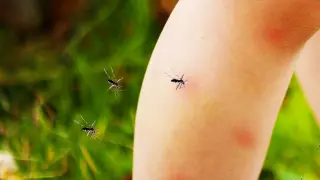
The Louisville Metro Department of Public Health and Wellness announced that mosquitoes carrying the West Nile virus were detected in seven additional neighborhoods, prompting immediate fogging operations. Health officials confirmed that one resident tested positive for the virus in August, marking the only confirmed human case in Louisville for 2026. While the risk of severe neurological complications remains low, authorities urge all residents to take preventive measures, including using repellent and eliminating standing water, as the virus continues to circulate in the region.
Oncologists Dr. Christopher Cann and Dr. Monisha Singh warn that rising cancer rates, particularly among adults under 50, require vigilance for subtle symptoms often dismissed as stress or aging. Key indicators include unintentional weight loss exceeding 10 pounds, chronic fatigue affecting daily life, changes in urination or bowel habits, difficulty swallowing, new skin spots, and intense night sweats. Early detection significantly improves prognosis, so individuals should advocate for medical evaluation if these signs persist.
A major study of nearly 150,000 US health professionals indicates that 90 to 120 minutes of weekly strength training reduces overall mortality risk by 13%. The benefits are particularly pronounced for cardiovascular and neurological diseases, with risk reductions of 19% and 27% respectively. Combining this with aerobic exercise lowers death risk by 45%. Muscle acts as a metabolic organ, absorbing 80% of post-meal glucose and releasing anti-inflammatory myokines. While benefits plateau after two hours, even simple home exercises can improve bone density and reduce frailty, making strength training accessible for all ages.
A large-scale experiment at a Dutch music festival identified specific lifestyle factors that make humans more attractive to mosquitoes, while debunking common myths about blood type and diet.
An infectious-disease physician highlights five common behaviors that can spread germs—improper handwashing before handling food, sneezing into hands instead of the elbow, overusing alcohol-based sanitizer, shaking hands in hospital settings, and wearing masks on the chin—and offers practical fixes: wash hands for at least 10 seconds with soap and water and dry thoroughly, sneeze into the elbow, avoid over-sanitizing, opt for elbow taps in healthcare, and keep masks properly worn to protect others.
The US has significantly reduced its childhood vaccine schedule, recommending protection against only 11 diseases, making it an outlier among peer countries that typically recommend vaccines against more diseases. Experts argue that this change may compromise disease prevention, as the US's schedule now covers fewer diseases than most other affluent nations, and decisions on vaccine recommendations are complex and based on various factors including disease burden and healthcare systems.
Doctors are concerned about rising tetanus cases due to declining vaccination rates, which are exacerbated by climate change-related natural disasters increasing injury risks. Tetanus, a preventable disease, can cause severe muscle spasms and death, but vaccination costs are low compared to treatment expenses. Recent cases highlight the importance of maintaining vaccination schedules, especially in disaster-prone areas.
By 2026, advances in AI and aging science will enable precision medical forecasting, allowing for early prediction and prevention of major age-related diseases like cancer, cardiovascular, and neurodegenerative conditions through comprehensive data analysis and personalized interventions.
CRISPR researchers have successfully resurrected an ancient gene that has the potential to prevent diseases, marking a significant advancement in genetic engineering and biotechnology.
Eating pumpkin regularly offers numerous health benefits, including boosting immunity, improving eye health, aiding weight management, lowering diabetes risk, and reducing cancer risk, thanks to its rich content of nutrients like beta-carotene, vitamins, and minerals.