
Maryland boy recovers from nerve damage after rare rabid beaver attack
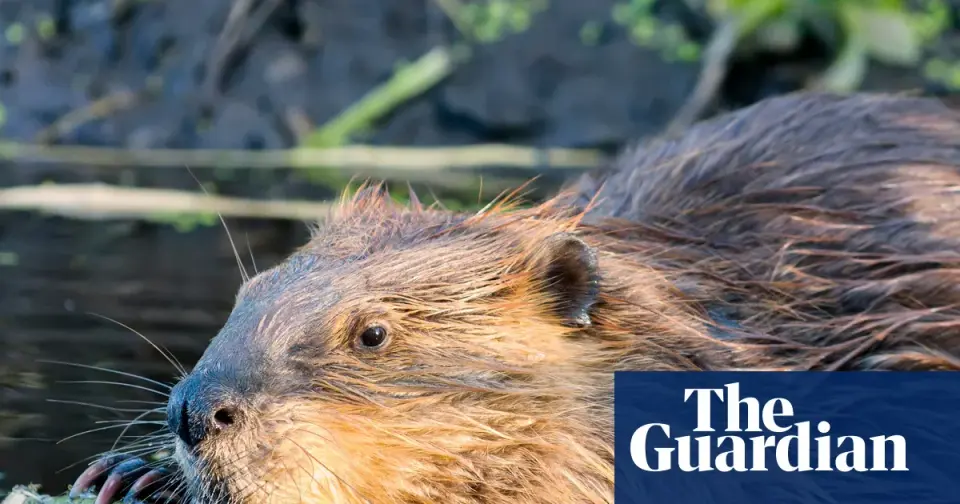
A 13-year-old Maryland boy is recovering from multiple surgeries and nerve damage following a rare attack by a rabid beaver at Cunningham Falls State Park. The incident, which occurred in July, is part of a series of similar attacks in the region that prompted state authorities to investigate a potential rabies outbreak and implement strict surveillance measures.
Key points
- Dominick Cebula, 13, was attacked by a beaver while swimming at Cunningham Falls State Park on July 26, resulting in nerve damage requiring three surgeries at Johns Hopkins Hospital.
- The beaver was later captured, euthanized, and confirmed to have rabies, leading to the administration of post-exposure prophylaxis for the victim.
- Maryland’s Department of Natural Resources (DNR) is conducting night-time and daytime surveillance at Hunting Creek Lake to remove additional beavers and assess the risk of a wider outbreak.
- The CDC reported a 17% increase in rabies-related inquiries from July to August 2026 compared to the same period in 2025, including reports of mass exposure events.
- Authorities advise maintaining a minimum viewing distance of 25 yards from beavers, which are typically non-aggressive but can pose significant risks if infected with rabies.
Background
This incident follows a series of beaver attacks in Maryland state parks during the summer of 2026. Previous reports indicated that two teens were attacked at Cunningham Falls State Park, leading to partial closures and investigations by the DNR. A 10-year-old girl was also bitten at Seneca Creek State Park, prompting alerts and searches for other infected animals. While beavers are rarely vectors for rabies, authorities suspect spillover from other wildlife and have emphasized the importance of post-exposure treatment to prevent the fatal disease.
Why it matters
The attacks highlight the rare but serious risk of rabies transmission through wildlife, particularly in public recreational areas. The response by state and federal agencies underscores the importance of rapid medical intervention and surveillance in preventing outbreaks. Public awareness of safe wildlife viewing distances and the availability of post-exposure prophylaxis are critical in mitigating the near 100% fatality rate of rabies once symptoms develop.
What to watch
The Maryland DNR will continue its surveillance efforts at Hunting Creek Lake to ensure no additional infected beavers are present. Authorities are expected to set benchmarks for safety before considering the reopening of closed park areas. The CDC will likely monitor the trend in rabies-related inquiries to assess the broader impact of these incidents on public health.
Want the full story? Read the original reporting
Read on The Guardian