
North Carolina teen dies from rare Naegleria fowleri infection after freshwater exposure
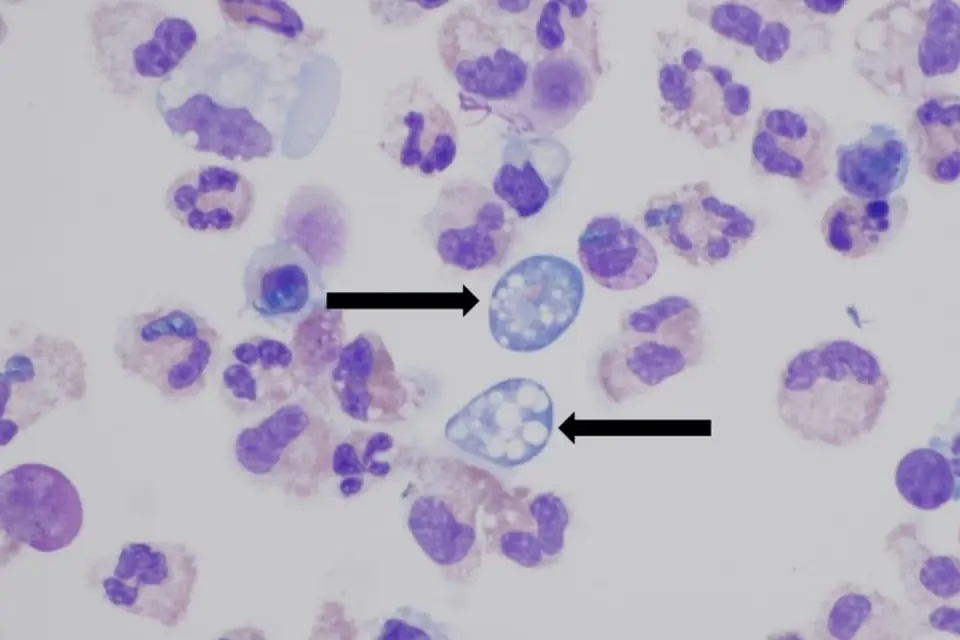
A North Carolina teenager has died after contracting Naegleria fowleri, a rare and usually fatal brain-eating amoeba found in warm freshwater. State health officials confirmed the death on September 1, 2026, noting that the disease progresses rapidly, often causing death within five days of symptom onset. While the specific source of infection remains under investigation by the North Carolina Department of Health and Human Services (NCDHHS) and the CDC, experts emphasize that the amoeba is not found in chlorinated pools or saltwater. Preventive measures, such as using nose clips and avoiding head submersion in warm freshwater, are recommended to reduce the risk of this extremely rare infection.
Key points
- A North Carolina teenager died on September 1, 2026, after contracting Naegleria fowleri, a rare brain-eating amoeba.
- The North Carolina Department of Health and Human Services (NCDHHS) confirmed the death and is investigating potential sources in coordination with the CDC.
- Naegleria fowleri is found in warm freshwater like ponds and lakes, not in chlorinated pools or saltwater.
- The infection, known as Primary Amebic Meningoencephalitis (PAM), is extremely rare, with fewer than 10 cases reported in the US annually, and is almost always fatal within five days of symptom onset.
- Preventive measures include using nose clips, avoiding head submersion in warm freshwater, and using boiled or distilled water for nasal rinses.
Background
This incident follows the August 2026 death of an 8-year-old girl in Louisiana from the same infection. Historically, the US has recorded 167 cases of Naegleria fowleri between 1962 and 2024, with only four survivors. The current case highlights the ongoing risk associated with warm freshwater activities during summer months.
How outlets are covering it
All sources, including The Independent, ABC News, ABC11, and WRAL, agree on the core facts: the teen’s death, the involvement of Naegleria fowleri, and the rarity of the infection. The Independent focuses on the family’s mourning and the broader context of the disease. ABC News and ABC11 emphasize the rapid progression of the disease and the importance of preventive measures, citing medical experts. WRAL highlights the NCDHHS’s investigation and the specific precautions recommended for swimmers. There is no disagreement among the outlets, but they differ in emphasis: The Independent provides a more human-centric view, while the others focus on public health guidance and the ongoing investigation.
Why it matters
This case underscores the importance of public health awareness regarding rare but deadly infections. It serves as a reminder for families and individuals to take precautions when engaging in water activities, particularly in warm freshwater environments. The ongoing investigation by NCDHHS and the CDC aims to identify the source of infection and prevent future cases, highlighting the need for continued vigilance and education on water safety.
What to watch
The NCDHHS and CDC will continue their investigation to identify the specific source of the Naegleria fowleri infection. Public health officials will likely issue further guidance on preventive measures, especially as summer activities continue. There may be increased public awareness and media coverage of the risks associated with warm freshwater, potentially leading to more cautious behavior among swimmers and families.
- Devastated family mourning North Carolina teen killed by deadly brain-eating amoeba The Independent
- North Carolina teen dies after contracting rare brain-eating amoeba found in freshwater: Officials ABC News - Breaking News, Latest News and Videos
- NC teen dead after contracting rare brain-eating amoeba found in freshwater health officials confirm ABC11 News
- NCDHHS: Central NC teen infected with rare brain infection caused by amoeba WRAL
- North Carolina teenager infected with brain-eating amoeba has died The Seattle Times
Want the full story? Read the original reporting
Read on The Independent