
Minnesota cow tests positive for rabies, prompting exposure treatment for nine people
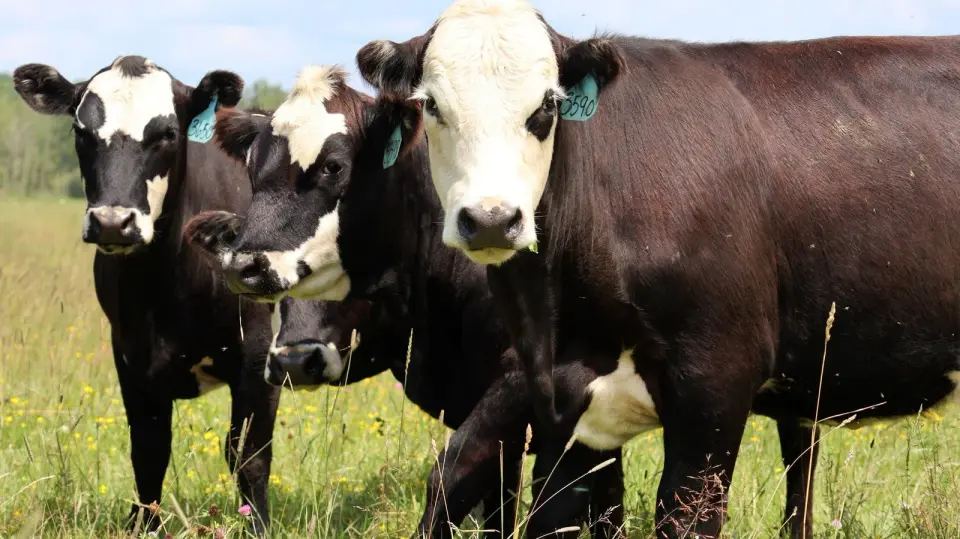
A dairy cow in Brown County, Minnesota, has confirmed rabies, leading health officials to recommend post-exposure prophylaxis for nine individuals. The animal showed neurological symptoms in early September before being euthanized, with brain tissue testing positive on September 8. Public health experts emphasize that rabies is fatal once symptoms appear, urging strict biosecurity measures for farm workers. While the cow likely contracted the virus from a skunk or bat, officials are monitoring over 50 other animals on the farm to prevent further spread.
Key points
- The Minnesota Board of Animal Health confirmed a positive rabies test in a Brown County cow on September 8.
- Nine people, including the owner, family members, veterinarians, and technicians, were advised to receive rabies shots after exposure to the animal’s saliva.
- The cow exhibited symptoms such as uncoordinated legs, hypersalivation, and high temperature before being euthanized on September 3.
- Thirteen other cows on the farm are under quarantine, and more than 40 additional cattle are being monitored for signs of infection.
- Two unvaccinated barn cats exposed to the rabid cow were euthanized, while vaccinated dogs and a horse remain under observation.
- Health officials state that rabies is invariably fatal once symptoms manifest, making pre-symptom vaccination critical for exposed individuals.
Background
This incident follows a series of domestic animal rabies cases across the United States in 2026. In August, South Carolina reported multiple exposures involving horses, skunks, and raccoons, while a similar case in New York’s Livingston County prompted treatment for two farmers in September. These events highlight a recurring pattern of rabies transmission from wild carriers like skunks and bats to livestock, necessitating rapid public health responses and quarantine measures to protect both human and animal populations.
Why it matters
The case underscores the critical importance of personal protective equipment and biosecurity protocols in agricultural settings. It serves as a reminder that rabies remains a lethal threat with no cure after symptom onset, requiring immediate preventive action for anyone exposed to potentially infected animals. The incident also highlights the role of wild animal carriers in transmitting the virus to domestic livestock, emphasizing the need for vigilant monitoring and vaccination strategies in rural communities.
What to watch
Public health officials will continue monitoring the quarantined and observed animals on the Brown County farm for the next several weeks, as rabies symptoms can take up to 26 weeks to appear in domestic animals. The nine exposed individuals are expected to complete their post-exposure prophylaxis regimen to prevent the disease. Authorities will likely reinforce guidelines on handling ill animals and maintaining vaccination records for pets and livestock to mitigate future risks.
Want the full story? Read the original reporting
Read on MPR News