
San Francisco Scientist Dies from Hidden Opioid in 'Cat's Claw' Supplement
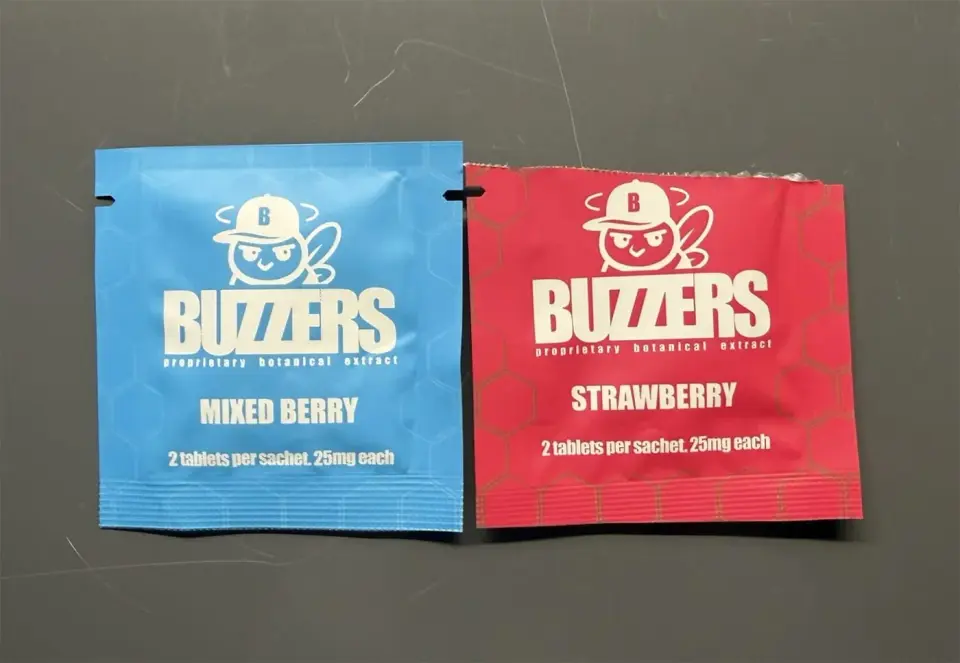
A 37-year-old San Francisco scientist died after consuming a supplement labeled as cat's claw that contained the potent synthetic opioid MGM-15. The drug, sold in smoke shops, is 50 times stronger than morphine. California health officials warn that similar undisclosed opioid compounds are causing deaths across multiple states, including Utah and Washington, despite federal bans on these substances.
Key points
- Robert Schuldt, a 37-year-old Genentech scientist, was identified as the first San Francisco fatality linked to an accidental overdose of MGM-15, a kratom derivative.
- The victim was found with an empty package of 'cat's claw botanical extract' sold by Script Botanicals x Maui Labs, which contained no mention of kratom or opioids on the label.
- MGM-15, also known as dihydro-7-hydroxymitragynine, acts on opioid receptors to cause sedation and respiratory depression, posing severe overdose risks.
- The DEA classified MGM-15, MGPI, and MGM-16 as Schedule I controlled substances in August 2026, making them illegal under federal law.
- California’s Department of Public Health issued warnings in January 2026 regarding kratom derivatives and 7-hydroxymitragynine, noting that products marketed as 'safer alternatives' often hide dangerous ingredients.
Background
The FDA has long warned that kratom-related products are unsafe and linked to dependency and respiratory failure. In January 2026, California health officials specifically flagged supplements promoted as alternatives to prescription opioids, noting that many contained undisclosed psychoactive ingredients. The current incident highlights a broader trend where companies market herbal supplements with vague labels while concealing potent, addictive chemicals.
How outlets are covering it
SFist focuses on the local identification of the victim, Robert Schuldt, and notes the presence of the drug in smoke shops. The Times of India provides a broader national context, detailing that Utah and Washington have also reported deaths and serious illnesses linked to similar 'cat's claw' products. While SFist emphasizes the specific brand and location, The Times of India highlights the systemic issue of misleading labeling and the federal legal status of these compounds. Both sources agree that the products are dangerous and often sold through unconventional retailers like gas stations and smoke shops.
Why it matters
This case underscores the lethal danger of unregulated supplements that mislabel potent opioids as harmless herbal extracts. The presence of Schedule I substances in consumer products sold in everyday retail locations poses a significant public health risk, as consumers may not recognize the signs of opioid overdose or the true nature of the ingredients they are consuming.
What to watch
Health officials are urging consumers to avoid suspicious supplements until the source and contents of these products are fully understood. Enforcement of federal bans on MGM-15 and related compounds will likely increase, and public awareness campaigns may focus on recognizing overdose symptoms and the risks of unverified herbal products.
- Humpday Headlines: Kratom Derivative OD Victim ID'd as Genentech Employee SFist
- S.F. Genentech employee identified as first local victim of new opioid sold in smoke shops San Francisco Chronicle
- ‘Cat’s Claw’ supplement linked to fatal opioid overdose: 7 things to know as California health officials issue warning The Times of India
- Death Linked to New Opioid Included in San Francisco’s Latest Overdose Snapshot KQED
Want the full story? Read the original reporting
Read on SFist