
Conflicting Long-Term Studies Reveal Screen Time’s Complex Impact on Child Development
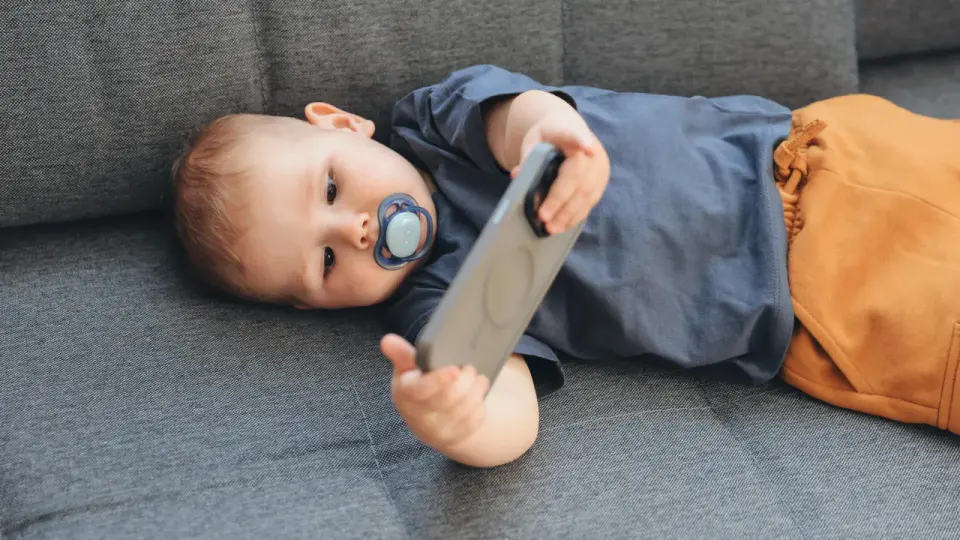
Recent longitudinal research presents conflicting views on how screen time affects children. A Singapore-based study links early screen exposure to poorer academic outcomes, while a Finnish study finds higher screen time associated with better teen cognition. A Scottish study suggests no consistent link between screen use and psychosocial issues, highlighting the need for nuanced guidelines.
Key points
- A Singapore study found that high screen time at ages 1 and 6 correlates with lower academic performance and weaker working memory later in life.
- A Finnish study found that children with higher cumulative screen time performed better on cognitive tests as teenagers, contradicting the assumption that screens harm cognition.
- A Scottish study found no consistent association between screen use and emotional or behavioral difficulties after accounting for family factors.
- Researchers emphasize that the type of content and active engagement matter more than total hours spent on screens.
- Current WHO and AAP guidelines recommend limiting screen time for young children, but new data suggests these rules may need refinement.
Background
Previous coverage highlighted the complexity of screen time effects, including a 2026 Finnish study that found positive cognitive associations with screen use, and a 2026 study linking TV viewing to brain shrinkage in adults. Practical strategies for limiting kids' screen time have also been widely discussed, reflecting ongoing parental concern.
How outlets are covering it
The Singapore study (Zhejiang University/Inserm) emphasizes that screen time during infancy and early schooling (age 6) has lasting negative effects on academic performance and memory. In contrast, the Finnish PANIC study (University of Jyväskylä) found that higher cumulative screen time was linked to better cognitive performance in teens, suggesting that active screen use may benefit cognition. The Scottish study (JAMA Network Open) found no consistent link between screen use and psychosocial difficulties, arguing that family functioning and other factors are more influential. These divergent findings highlight the lack of consensus on how screen time impacts development.
Why it matters
Parents and policymakers rely on screen time guidelines to protect child development. Conflicting evidence suggests that simple time limits may be insufficient, and that the quality and context of screen use are critical. Understanding these nuances can help families make informed decisions and guide future research and policy.
What to watch
Researchers call for intervention studies to clarify causal relationships and for guidelines that consider content type, device use, and parental involvement. Future studies should also examine how different types of screen use affect cognitive and psychosocial development across diverse populations.
- Screen time at ages 1 and 6 may matter more than parents realize Science Daily
- Researchers followed children for a decade to see whether screen time really mattered News-Medical
- Scientists tracked kids for 8 years — the screen time result was unexpected Science Daily
- Researchers in Finland tracked children's screen time for eight years, expecting to document the damage. The children who spent more hours on screens showed better cognitive processing as teenagers — a result that ran directly against the assumption the s Space Daily
- More Screen Time, Better Brain Performance? Finnish Study Challenges What Parents Have Been Told Yahoo
Want the full story? Read the original reporting
Read on Science Daily