
Kansas mother survives spider bite crisis, now awaits liver transplant
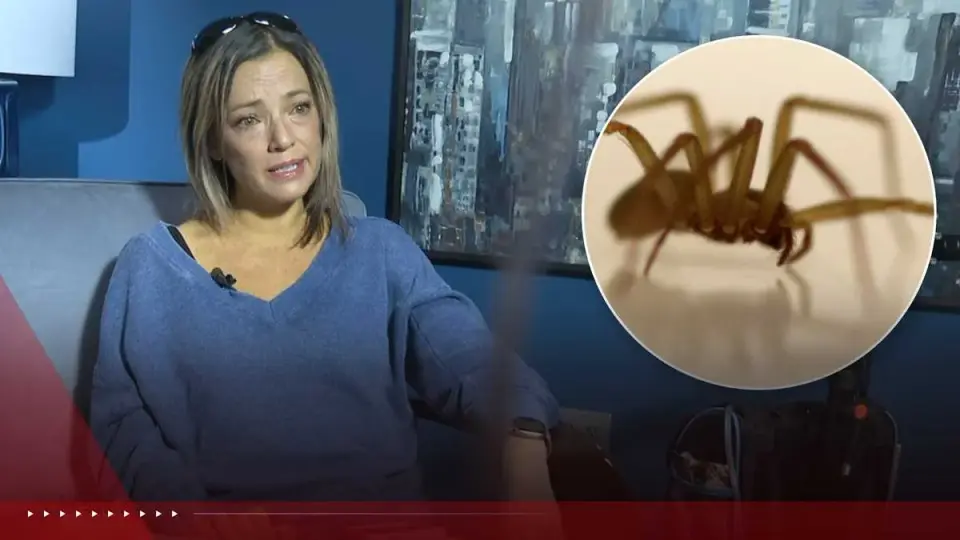
Britagne Miller, a Kansas mother of four, is recovering from a life-threatening medical emergency triggered by multiple spider bites at Cheney Lake in May 2026. The incident led to severe blood clots, infections, and end-stage liver failure, requiring emergency surgery and weeks of intensive care. Miller is now discharged but must stabilize her health to qualify for a liver transplant. Her family has launched a fundraising campaign to cover ongoing medical costs.
Key points
- Miller was bitten by approximately 15 spiders near a campfire on May 28, 2026, at Cheney Lake in Kansas.
- Symptoms worsened over four days, leading to hospital admission for emergency surgery to remove nearly 300 mL of blood clots.
- Post-operative complications included a staph infection and a gram-negative bloodstream infection.
- Doctors diagnosed her with end-stage liver failure, initially predicting a survival window of days to one month.
- Miller was discharged on July 11, 2026, and is currently undergoing home care to stabilize her hemoglobin levels for transplant eligibility.
- Her husband lost his job due to caregiving demands, prompting a GoFundMe campaign that has raised over US$23,000.
Background
This incident follows earlier reports in late July 2026 regarding Miller’s hospitalization and the subsequent launch of her fundraising campaign. The case highlights the medical risks associated with venomous spiders in Kansas, specifically the brown recluse and black widow, as noted by local entomologists. It also underscores the financial burden on families dealing with complex, multi-stage medical crises.
How outlets are covering it
Both WGAL and NZ Herald confirm the core timeline and medical details, including the surgery, infections, and liver failure diagnosis. However, they differ in emphasis: WGAL focuses on Miller’s personal fear of surgery and her eventual decision to fight for her children, while NZ Herald highlights the financial impact, noting her husband’s job loss and the specific fundraising amount raised. NZ Herald also explicitly cites the husband’s account regarding the difficulty of stabilizing her health for transplant eligibility, whereas WGAL focuses more on the immediate medical interventions and expert advice on spider prevention.
Why it matters
The case illustrates how a seemingly minor outdoor incident can cascade into a critical, multi-system medical failure, particularly for individuals with pre-existing conditions like blood clotting disorders. It also highlights the significant economic toll on families when a primary caregiver is incapacitated, necessitating community support for medical and daily living expenses.
What to watch
Miller must continue her recovery at home to raise her hemoglobin and clotting levels to a safe threshold for a liver transplant. This stabilization process could take several months. Meanwhile, her family will continue managing daily care and fundraising to cover the costs of her ongoing medical treatment and recovery.
- Mother of 4 fighting for her life after multiple spider bites during campfire WGAL
- Mum of four fighting for life after spider bite News.com.au
- Mother of four fights for life after spider bites at campfire NZ Herald
- Goddard mother says she's grateful to be alive after spider bite KAKE
- Mother's spider bites during family campfire trigger life-threatening infections WKRC
Want the full story? Read the original reporting
Read on WGAL