
L.A. County records first West Nile death as California cases hit five-year high
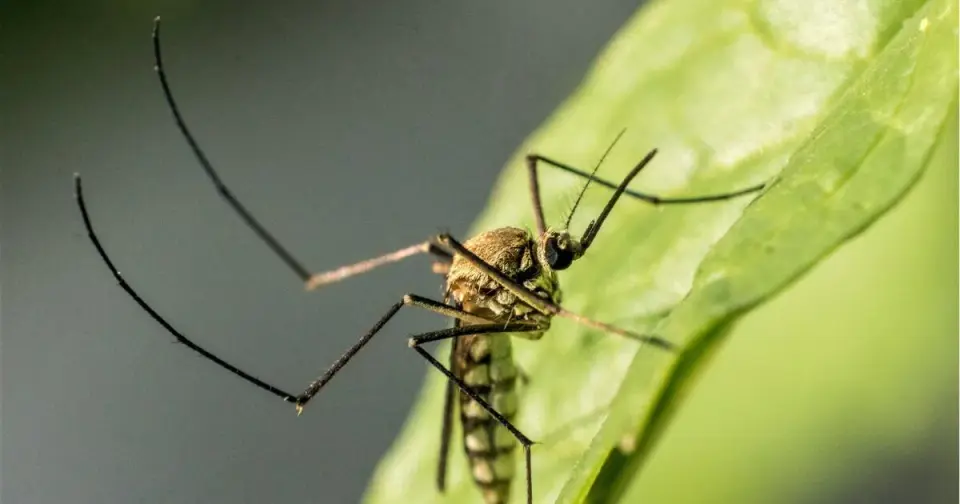
Los Angeles County confirmed its first West Nile virus death of 2026, a San Fernando Valley resident who suffered neurological complications. This local fatality coincides with a statewide surge, as California reports 30 human cases and three total deaths, marking a five-year high in activity. Health officials attribute the early and intense outbreak to record-breaking winter warmth and a March heat wave, which accelerated mosquito breeding. While most infections are asymptomatic, severe cases can lead to meningitis or encephalitis, particularly among older adults and those with chronic conditions. With no vaccine available, authorities urge residents to use repellent and eliminate standing water as peak transmission continues through September.
Key points
- L.A. County reported its first West Nile virus death of 2026, involving a San Fernando Valley resident hospitalized for neurological illness.
- California has recorded 30 human cases and three fatalities statewide, with activity levels reaching a five-year high.
- The outbreak began two months earlier than usual due to the warmest winter on record and a March heat wave.
- Approximately 24% of dead birds tested positive for the virus, compared to a five-year average of 13%.
- There is no vaccine or specific treatment; prevention relies on insect repellent and eliminating standing water.
Background
West Nile virus activity in Southern California has been rising since June, with earlier reports noting positive mosquito samples in Orange and Los Angeles counties. The virus has circulated in the U.S. since 1999, but 2026 marks a significant spike in severity and timing. Previous archive coverage highlighted the use of Sterilized Insect Technique in the San Gabriel Valley and warned of early-season surges, but the current scale of human fatalities and case counts exceeds previous expectations for this time of year.
How outlets are covering it
The Los Angeles Times and NBC Los Angeles emphasize the local impact, highlighting the San Fernando Valley death and the early start of the season due to climate anomalies. Patch provides a broader national context, noting that California’s surge is part of a wider U.S. trend with 180+ cases and eight deaths nationwide, including a significant spike in Arizona. Nurse.com focuses on clinical details, stressing that while 80% of infections are asymptomatic, the 1% who develop neuroinvasive disease face severe risks like paralysis. All sources agree on the lack of a vaccine and the critical importance of personal protection measures, though they differ in emphasis between local climate drivers and general public health guidance.
Why it matters
The rise in West Nile cases signals a potential shift in disease patterns due to climate change, with earlier and more intense mosquito seasons. The lack of a vaccine makes individual prevention strategies, such as using DEET and removing standing water, the only defense against a potentially fatal neurological illness, particularly for vulnerable populations.
What to watch
Health officials expect peak transmission to continue through September. Residents are urged to maintain vigilance with repellent use and home maintenance. State and local health departments will continue monitoring mosquito pools and dead birds to track the virus's spread, with data updates provided bi-weekly through December.
- Dead of a mosquito bite: L.A. records West Nile fatality as California cases hit 5-year high Los Angeles Times
- 3 dead in Calif. from 'neuroinvasive' virus spread by mosquitoes SFGATE
- Brain-Swelling Disease Blamed For Recent Deaths In CA As Cases Surge Nationwide Patch
- LA County health officials confirm first West Nile virus death of 2026 NBC Los Angeles
- West Nile Virus Symptoms to Know as Cases Rise Across the U.S. Nurse.com
Want the full story? Read the original reporting
Read on Los Angeles Times