
Red Meat Sugar Neu5Gc Linked to 63% Higher Diabetes Risk in Large French Study
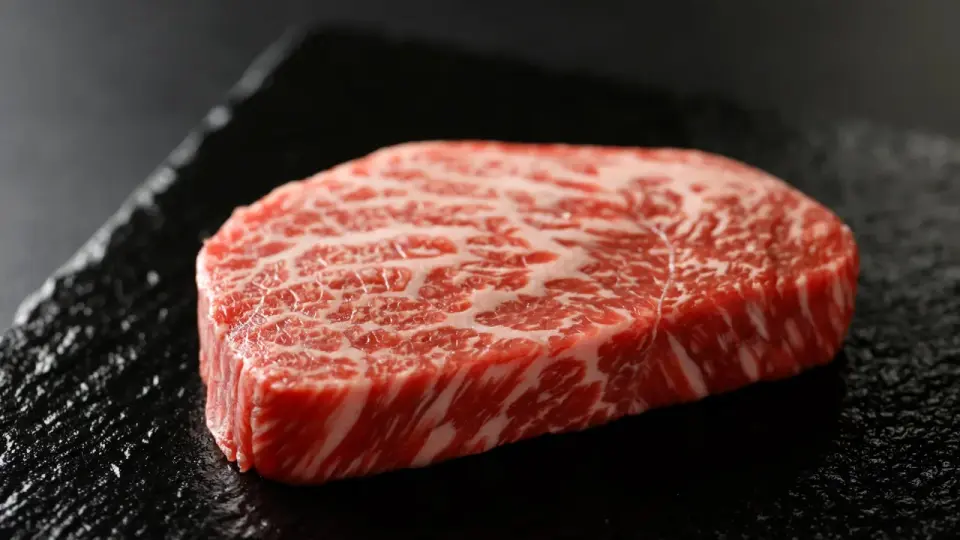
A large observational study involving nearly 90,000 adults in France suggests that high consumption of N-glycolylneuraminic acid (Neu5Gc), a sugar found in red meat, is associated with a 63% higher risk of developing type 2 diabetes. The findings, presented at the European Association for the Study of Diabetes conference in Milan, indicate that this risk persists even after accounting for lifestyle factors, though it weakens when body mass index is considered. Researchers propose that Neu5Gc may trigger chronic inflammation via an immune response, as humans lack the gene to produce this molecule naturally. While the association is strongest with meat-derived Neu5Gc, dairy sources showed no significant link, suggesting the risk is specific to red meat consumption rather than total sugar intake.
Key points
- Participants with the highest intake of meat-derived Neu5Gc had a 63% greater risk of type 2 diabetes compared to those with the lowest intake.
- The association remained significant after adjusting for physical activity, diet, and smoking, but weakened when body mass index was included, with obesity accounting for only 13% of the link.
- Neu5Gc is a xeno-autoantigen; humans lost the ability to produce it via a CMAH gene mutation, causing the immune system to recognize it as foreign and potentially triggering chronic inflammation.
- Dairy-derived Neu5Gc was not associated with increased diabetes risk, likely due to lower concentrations in milk compared to beef and lamb.
- The study is observational and preliminary; it cannot prove causation, and the association weakened when total red meat consumption was accounted for, suggesting other meat components may also play a role.
Background
Recent dietary research has highlighted links between processed meat and other ultra-processed foods with various health risks, including dementia and gastric cancer. For instance, studies in October 2026 connected daily deli meat intake to a 44% higher risk of dementia, while sugary drinks were linked to stomach cancer. This new finding adds to the growing body of evidence examining how specific dietary components, such as Neu5Gc, may contribute to chronic diseases like type 2 diabetes through mechanisms beyond simple caloric excess or weight gain.
Why it matters
These findings offer a potential biological mechanism for the established link between red meat consumption and type 2 diabetes, independent of weight gain. If confirmed, reducing exposure to meat-derived Neu5Gc by shifting to poultry or plant-based proteins could become a strategy for lowering diabetes risk. However, further research is needed to validate the role of Neu5Gc and measure anti-Neu5Gc antibodies to confirm the proposed immune response mechanism.
What to watch
The research team plans to investigate how Neu5Gc interacts with other red meat components, such as heme iron, and to measure anti-Neu5Gc antibodies in large cohorts. Future studies will aim to determine if replacing high-Neu5Gc foods with alternative protein sources yields measurable health benefits and to establish whether specific intake thresholds trigger immune responses.
Want the full story? Read the original reporting
Read on Science Daily