
Medical Staff Expose Systemic Failures: From Staffing Myths to AI Risks
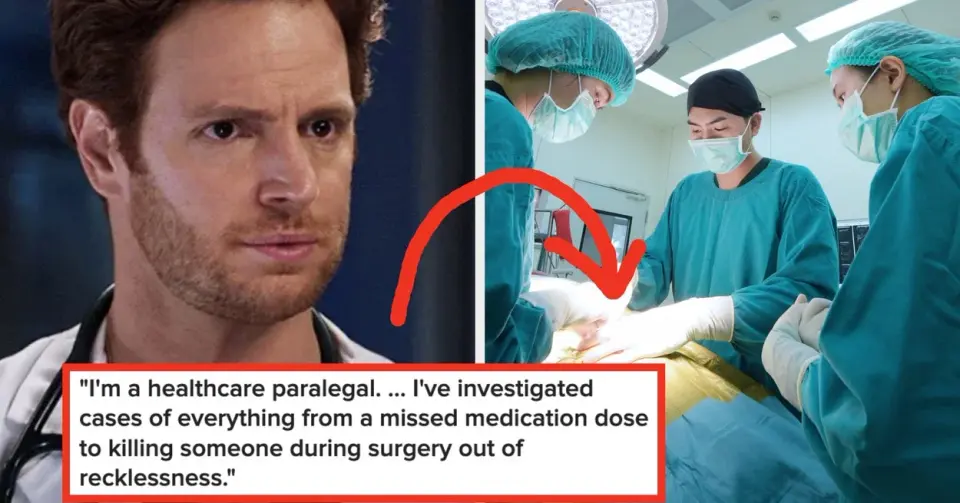
A compilation of 24 anonymous accounts from healthcare professionals reveals that the U.S. nursing shortage is largely a staffing ratio issue, not a headcount deficit. Contributors highlight that hospitals prioritize profit over safety, leading to unsafe nurse-to-patient ratios and rushed operating room turnovers. The report also details the hidden labor of navigating insurance approvals, the physical toll of CPR, and the risks of AI-driven care decisions. Many staff describe feeling unsupported by administrators who focus on metrics rather than patient well-being or staff mental health.
Key points
- The perceived nursing shortage is actually a refusal to hire enough staff to meet safe patient-to-nurse ratios, as hospitals prioritize profit margins.
- Operating room turnover times are often compressed to 30 minutes, forcing staff to rush critical safety checks and instrument counts between patients.
- Healthcare workers spend significant unpaid time battling insurance companies to secure necessary treatments for patients, a process that is not reimbursed.
- There are concerns that AI in healthcare will make life-or-death decisions based on diagnosis and prognosis without human oversight or appeal processes.
- Hospital administrators, often non-clinical, are criticized for prioritizing corporate metrics over patient care and staff well-being, leading to burnout and moral injury.
Background
This report follows a previous compilation of 28 insider secrets from healthcare workers, which also highlighted staffing shortages and lab test inaccuracies. It contrasts with recent coverage of the Nancy Grace Roman Space Telescope, which achieved optical performance 30% better than predicted, demonstrating a stark difference between technological success in space exploration and systemic failures in domestic healthcare infrastructure. Additionally, the issue of inadequate medical training, as seen in the under-diagnosis of perimenopause, aligns with the broader theme of gaps between medical standards and actual patient care delivery.
Why it matters
These revelations expose a fundamental misalignment between hospital business models and patient safety. By prioritizing speed and profit over adequate staffing and time, the healthcare system risks increasing medical errors and staff burnout. The lack of transparency regarding AI decision-making and the hidden labor of insurance navigation further erode trust in the system, suggesting that patients may need to become more active advocates for their own care.
What to watch
Healthcare workers are likely to continue advocating for better staffing ratios and mental health support. Patients may need to become more proactive in questioning care decisions and understanding the limitations of AI-driven diagnostics. Regulatory bodies may face pressure to address the gap between non-clinical administration and clinical care standards, though no immediate policy changes are indicated in the source material.
Want the full story? Read the original reporting
Read on BuzzFeed