
Unregulated Testosterone Injections Surge Among Young Men Seeking 'Masculine' Optimization
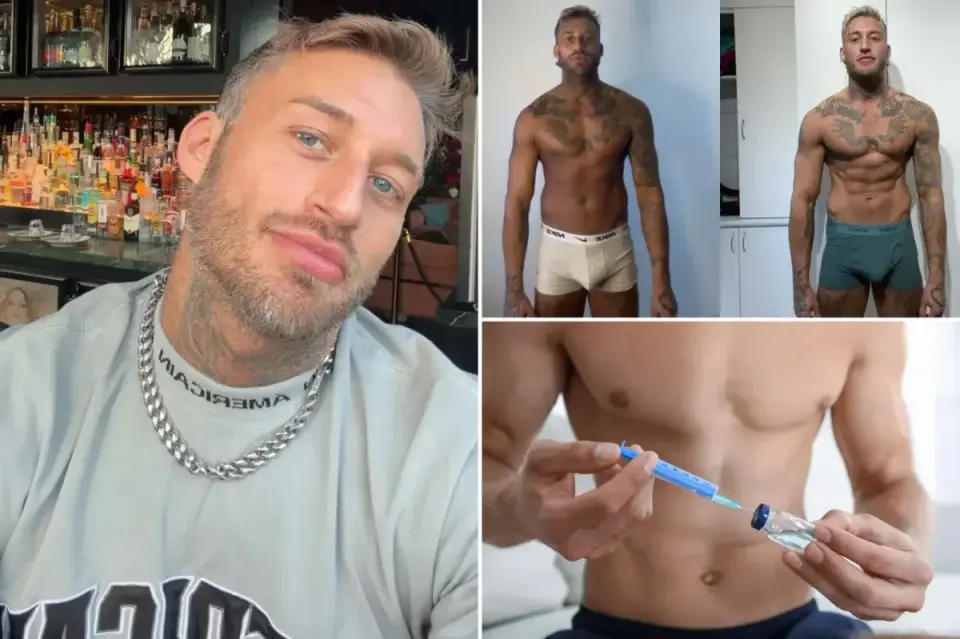
A growing trend among young men without diagnosed hormonal deficiencies involves self-administering testosterone injections to enhance physical appearance and perceived masculinity. This practice, known as 'testmaxxing,' bypasses medical oversight and carries significant health risks, including infertility and cardiovascular issues, despite the belief that it optimizes natural performance.
Key points
- Young men are increasingly injecting synthetic testosterone without medical prescriptions or diagnostic testing, a trend labeled 'testmaxxing.'
- Proponents claim the injections boost energy, strength, and focus, helping them achieve a physique they associate with greater masculinity.
- Medical experts warn that healthy bodies naturally regulate testosterone, and exogenous use can shut down natural production, leading to infertility and severe side effects.
- The trend is linked to broader online cultures of 'looksmaxxing' and body dysmorphia, where physical optimization is viewed as a continuous necessity.
- Search interest for 'testosterone' in the US has risen by 30% over the past year, reflecting a surge in public concern and self-treatment.
Background
This development follows earlier warnings from medical experts about the dangers of unregulated testosterone use, which our archive noted in September 2026. At that time, specialists emphasized that boosting levels beyond the normal range offers no benefit and carries severe risks, including heart conditions and infertility. Additionally, discussions around 'irritable male syndrome' in late 2026 highlighted how age-related hormonal changes are often conflated with anxiety-driven self-treatment, further complicating the distinction between genuine medical needs and cultural pressures to optimize the body.
Why it matters
The rise of self-administered hormone therapy highlights a critical gap between public perception of masculinity and medical reality. As young men seek to optimize their bodies through unregulated means, they face serious health risks, including blood clots, liver disease, and permanent infertility. This trend also reflects deeper societal anxieties about identity and physical appearance, driven by online algorithms that promote extreme optimization standards. Understanding this shift is crucial for public health policy, as it underscores the need for better education on hormonal health and the dangers of bypassing medical supervision.
What to watch
Medical professionals are expected to continue advocating for proper diagnostic testing before any hormone therapy, emphasizing that most young men do not require testosterone replacement. Regulators may face pressure to address the black market for unregulated hormones, while online platforms could be scrutinized for promoting content that links masculinity with physical optimization. As search interest continues to rise, healthcare providers may see increased demand for consultations, potentially leading to stricter guidelines on telehealth prescriptions for hormones.
Want the full story? Read the original reporting
Read on New York Post