
Science backs 30-second 'micropractices' to boost mood and reduce stress
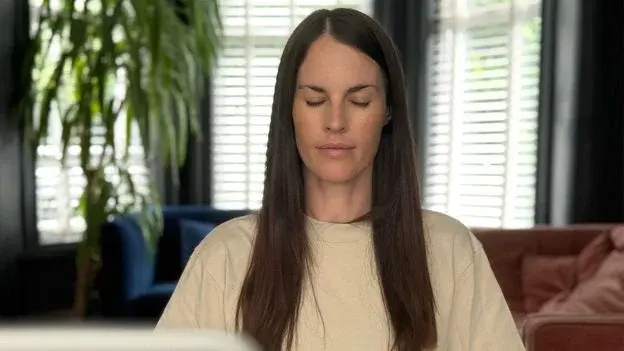
Researchers and journalists report that ultra-brief wellness activities, known as 'micropractices,' can significantly improve mood and reduce anxiety without requiring long time commitments. Key techniques include laughter yoga, mindful stretching, slow breathing, and self-compassionate touch. A recent randomized controlled trial confirms that combining these short actions with habit-formation tools yields lasting benefits in self-compassion and reduced psychopathology symptoms over six months.
Key points
- Laughter yoga involves non-humorous, guided laughter; a meta-analysis by Delft University researcher Natalie Van der Wal found it is twice as effective as humor-induced laughter at reducing depression and anxiety.
- Micro yoga, a 15-30 second mindful stretch, can improve productivity by 15% and reduce burnout when paired with deep breathing, particularly for those with sedentary screen-based jobs.
- Slow breathing exercises, such as three deep breaths lasting 10 seconds each, activate the parasympathetic nervous system. A study by Amit Kumar at the University of Naples Federico II linked this to increased alpha and theta brain waves, promoting calm and focus.
- Self-compassionate touch, where one places hands on the heart or belly for 20 seconds while directing kind thoughts to oneself, significantly lowers cortisol levels. A new trial shows that adding habit-formation tools to this practice enhances long-term self-compassion and reduces mental health symptoms.
- Experts emphasize that individuals should select one or two practices that fit their lifestyle, as the 'dose' required for wellbeing varies per person.
Background
This topic follows earlier coverage on simple daily habits for mental health, such as the benefits of 20-minute walks for lowering cortisol and improving brain health, as well as celebrity accounts of how lifestyle changes like sobriety can aid in ending self-sabotage and improving mood.
How outlets are covering it
The BBC and Times of India present micropractices as accessible, immediate solutions for overwhelmed individuals, highlighting the ease of techniques like laughter yoga and self-touch. Woman's World frames these as quick fixes for calm and happiness. In contrast, the Nature journal provides rigorous scientific backing, specifically noting that while the practices are brief, their long-term efficacy depends heavily on habit formation. The Nature study highlights that without tools to automate the behavior, benefits may not persist, whereas the other outlets focus more on the immediate physiological and emotional relief.
Why it matters
As modern life becomes increasingly time-pressured, the shift toward ultra-brief interventions offers a scalable, low-barrier approach to mental health maintenance. By proving that significant psychological benefits can be achieved in under 30 seconds, these findings challenge the notion that effective wellness requires extensive time investment, potentially making mental health support more accessible to the general population.
What to watch
Researchers will likely continue to explore how digital platforms can integrate habit-formation tools with micropractices to maximize long-term adherence. Further studies may investigate the specific physiological mechanisms behind these short interventions and their effectiveness across diverse populations and clinical settings.
- 30-second habits to improve your mood BBC
- Habit-formation strategies enhance long-term outcomes of a self-compassionate touch micropractice: a randomized controlled trial Nature
- A 20-Second Daily Habit Improves Well-Being For Months, Per New Study Forbes
- Improving your mood may not take much time: 4 micro practices to try for improving mood immediately timesofindia.indiatimes.com
- Have 30 Seconds? These ‘Micropractices’ Ease Stress and Boost Your Mood Woman's World
Want the full story? Read the original reporting
Read on BBC