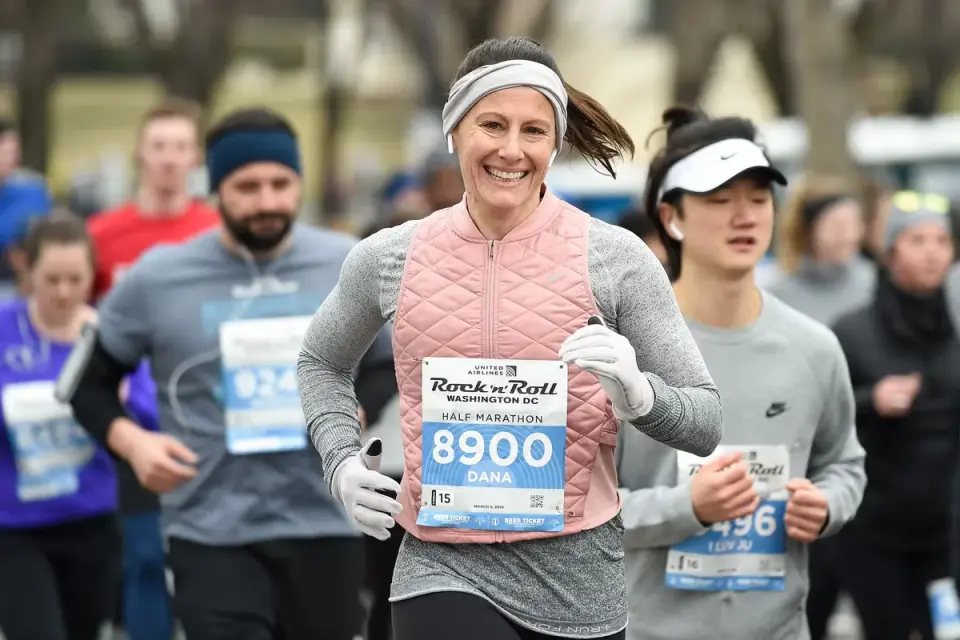
health-and-wellbeing20.045 min read
Research Links Eight Specific Hobbies to Reduced Anxiety and Stress
15 days ago•Source: The Independent

The latest health and wellbeing stories, each synthesized from multiple sources with added background and context.
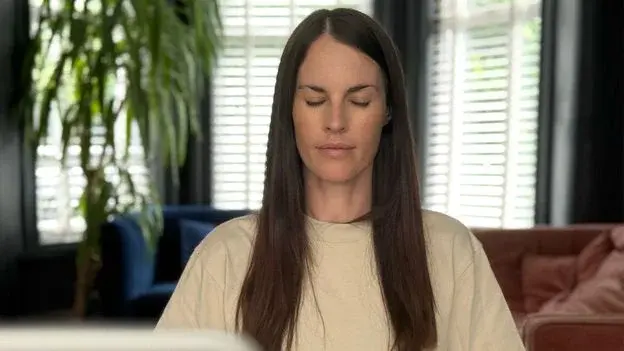
Researchers and journalists report that ultra-brief wellness activities, known as 'micropractices,' can significantly improve mood and reduce anxiety without requiring long time commitments. Key techniques include laughter yoga, mindful stretching, slow breathing, and self-compassionate touch. A recent randomized controlled trial confirms that combining these short actions with habit-formation tools yields lasting benefits in self-compassion and reduced psychopathology symptoms over six months.

The Guardian•1 month ago
BBC•1 month ago

A Penn State College of Medicine study published in PLOS One found that doing four minutes of daily resistance-based strength training (four 30-second exercises with 30 seconds rest) significantly improved strength and balance in adults 65 and older within 12 weeks. Participants used bands and a step (or dumbbells as an alternative), and the program led to more repetitions in chair stands and quicker sit-to-stand transitions, highlighting a time-efficient, functional workout to help maintain independence with aging.

Most people gain little from supplements if they eat well; multivitamins show only tiny memory benefits, and real food is the best source of nutrients. Some supplements may help in specific cases—creatine for athletes, collagen for certain skin/joint needs, vitamin D in UK winters, magnesium for those with low intake, omega-3 for non-fish eaters, and iron for deficiency—though these should be guided by a clinician. Focus on a balanced plate with protein, a variety of plants, fiber-rich carbs and healthy fats, and use supplements only where clearly indicated.

A 45-year-old Melbourne mum of two ignored fatigue, low iron and blood in the stool until a colonoscopy revealed stage-3 bowel cancer, prompting surgery (with a temporary stoma) and six months of chemotherapy. Now in remission and under regular monitoring, she’s speaking out to urge Australians not to dismiss bowel changes as just pregnancy or aging, highlighting rising rates among younger people and backing the Poo Check awareness campaign to normalise conversations about bowel health.

Three studies show bacteria transfer to food happens almost immediately on contact with various surfaces, especially wet foods; contamination can persist for hours and rinsing isn’t reliable, so the safe takeaway is to discard dropped items—particularly for those at higher infection risk or with pets in the home.

An Australian dermatologist warns that aging skin becomes thinner and drier, advising people over 65 to reduce shower frequency—potentially washing every other day—especially in winter. Using gentler soap-free washes can help preserve natural oils while maintaining hygiene by cleansing key areas daily. The guidance emphasizes balancing cleanliness with skin health amid common concerns about over-washing.

High LDL cholesterol raises heart attack and stroke risk, but being lean doesn’t guarantee safety; genetics and saturated-fat intake largely drive LDL levels. Obesity mainly affects other lipids (triglycerides and remnant cholesterol) and is linked to diabetes and high blood pressure, which can make LDL more harmful. Overall cardiovascular risk isn’t determined by LDL alone, so a clinician should assess it—consider NHS checks from age 40 and family history of early heart disease.

Fibre supports digestion, heart and bowel health, and even mood, but the average Briton consumes about 16g daily while 30g is the target. Benefits may continue beyond 30g, but increases should be gradual to avoid bloating, and plenty of fluids help fibre work. Staying under about 50g daily is sensible and sustainable. Small gains—an extra 7g daily—are linked to lower risks of heart disease, type 2 diabetes and bowel cancer, while an extra 5g may correlate with a roughly 5% reduced risk of depression; the key is enjoyable, practical, ongoing intake rather than extreme limits.
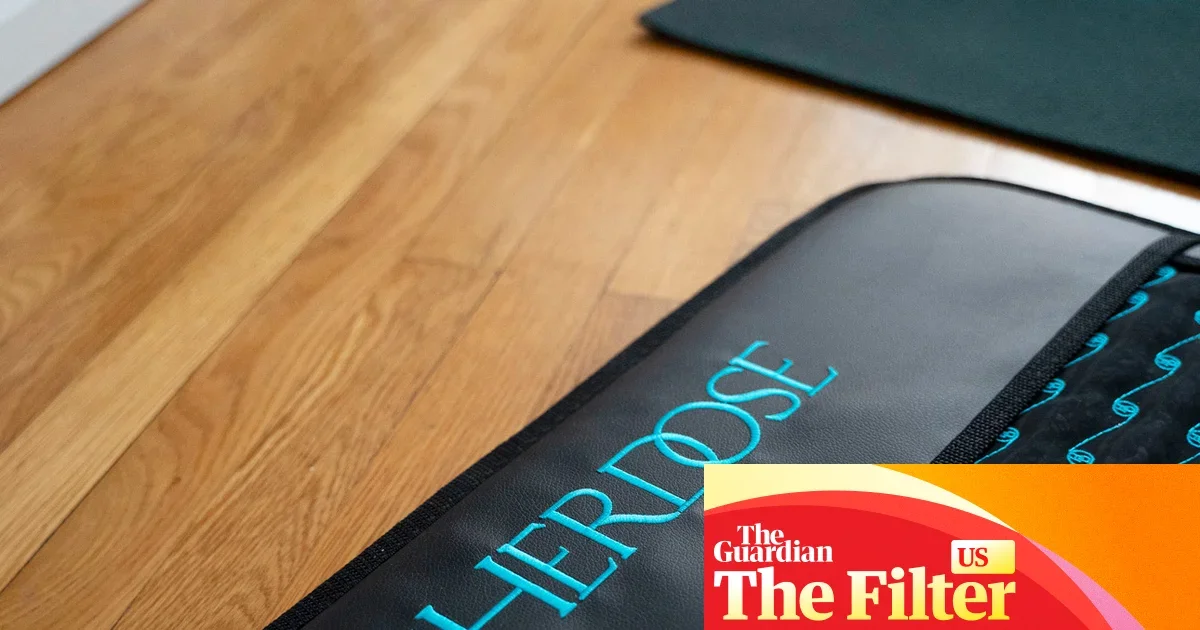
Over a week, I tested HigherDose’s $1,374 Infrared PEMF Pro Mat against a standard yoga mat, hoping for better sleep and muscle recovery. The infrared heat felt calming at first, but sleep did not improve and I woke with unusually vivid dreams. HRV data showed only small, inconclusive changes, and experts say PEMF effects are highly variable and weak compared with medical devices. In short, the mat felt like an expensive heating pad rather than a transformative wellness tool; I’d rather read a book or stretch on my rubber mat.

Amy Sheridan-Hill’s 10-year-old son Frankie has H-ABC, a rare genetic brain disorder affecting roughly 200 people, with doctors warning he is unlikely to survive beyond his teens, a prognosis that shapes the family’s daily life.
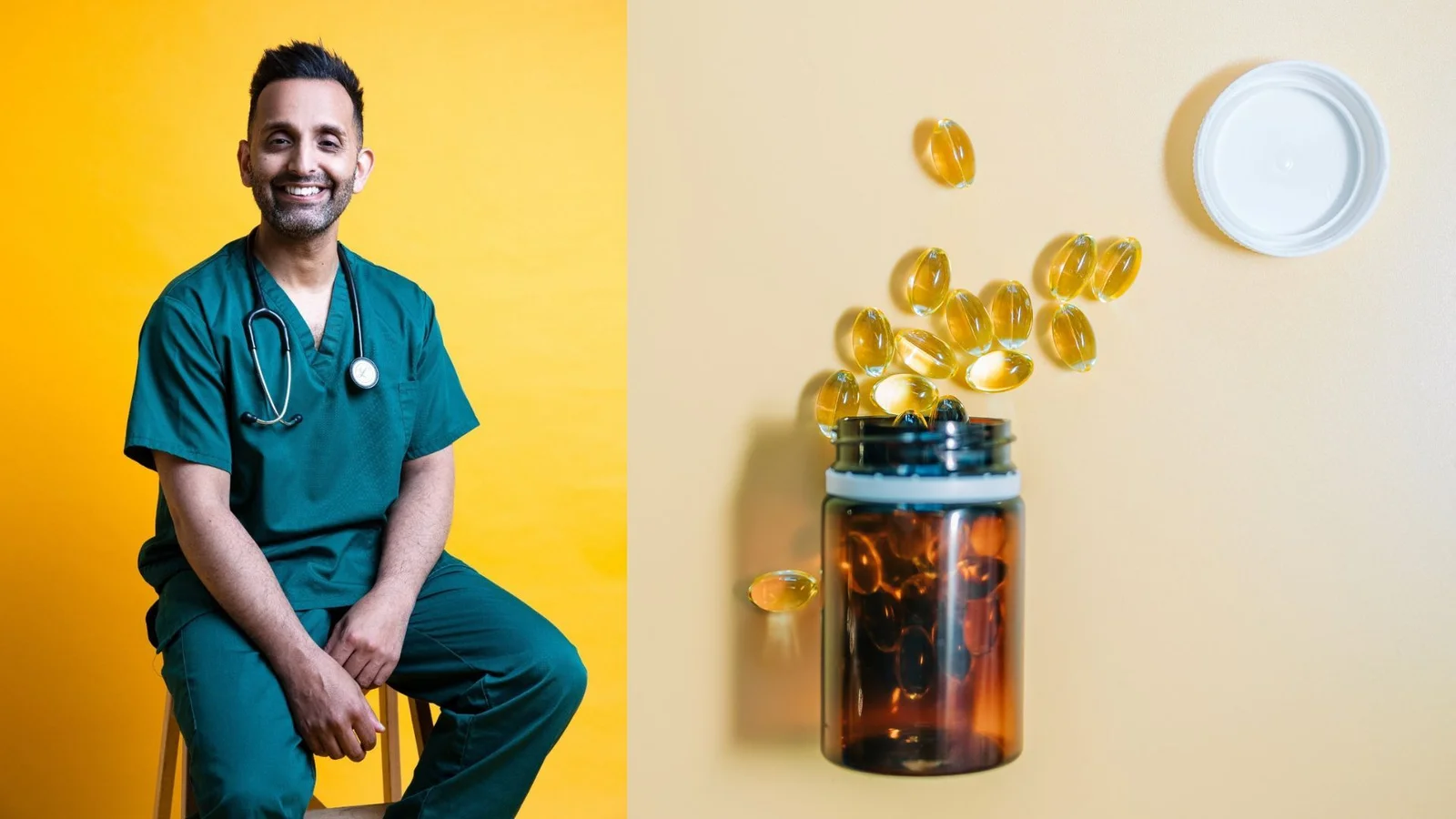
Dr. Amir Khan outlines a practical timetable to maximize supplement absorption: take iron first thing in the morning on an empty stomach with a splash of vitamin C (avoid taking it with tea, coffee, or magnesium); after breakfast, take fat‑soluble nutrients like vitamin D and omega‑3 with a meal; magnesium is best in the evening; creatine can be taken at any time; if you’re taking omega‑3 or a multivitamin, take them with food, and consult a doctor with any questions about your regimen.