
HHS Vaccine Label Overhaul Sparks Public Health Alarm as Measles Cases Surge
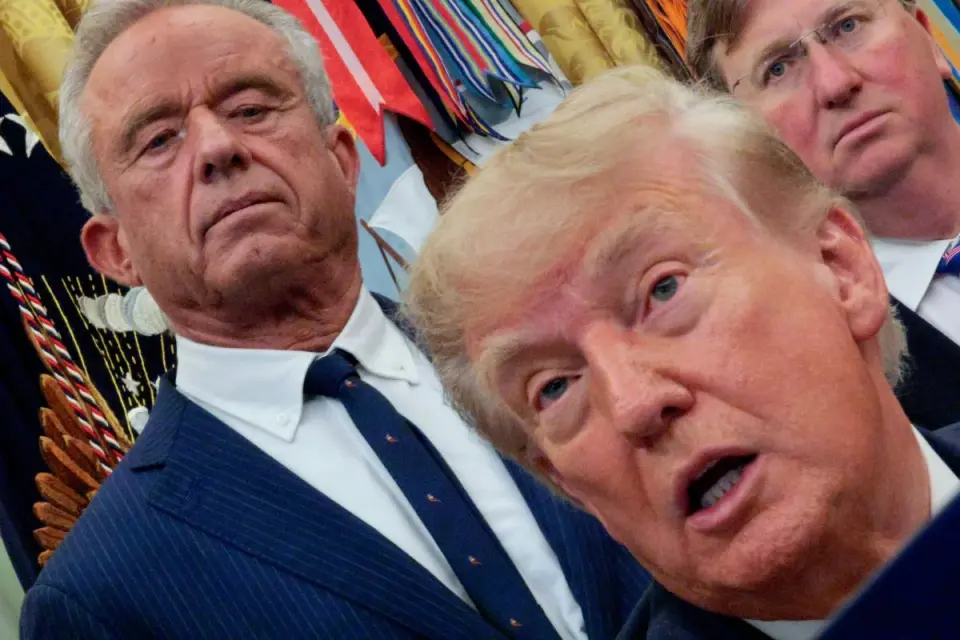
The Department of Health and Human Services (HHS) is preparing to fundamentally alter how childhood vaccines are categorized and recommended, a move that has triggered urgent warnings from public health experts, legal advocates, and state governors. The changes stem from an August 2026 executive order by President Donald Trump, which mandated a reevaluation of the childhood vaccine schedule and the revival of a defunct vaccine task force. HHS recently concluded a public comment period on a Request for Information (RFI) that questions the current three-tier recommendation system: routine/universal, risk-based, and shared clinical decision-making (SCDM). While HHS frames the review around 'individual autonomy' and 'religious freedom,' critics argue the proposed new categories lack scientific basis and will cause widespread confusion. This debate unfolds against a backdrop of a severe measles resurgence, with the U.S. experiencing its worst year since 1991, including 792 cases and four deaths in Pennsylvania alone. State officials and legal groups are urging HHS to maintain a stable, evidence-based framework to prevent a collapse in vaccination rates and a return of preventable diseases.
Key points
- HHS has concluded a public comment period on a Request for Information (RFI) that seeks to restructure federal vaccine recommendation categories, moving away from the current universal, risk-based, and shared clinical decision-making models.
- The initiative is driven by an August 2026 executive order from President Trump, which required HHS to revive a childhood vaccine task force and reevaluate the schedule, potentially reducing the number of recommended vaccines from 18 to 11.
- Public health experts and legal advocates, including the National Health Law Program (NHeLP) and the American Public Health Association, argue that the proposed changes lack scientific evidence and will increase vaccine hesitancy and confusion among providers and parents.
- The debate is occurring during a significant measles resurgence; the U.S. is seeing its highest case count since 1991, with 792 cases and four deaths recorded in Pennsylvania as of September 2026.
- The Governors Public Health Alliance (PHA), representing 15 governors, has called for a stable and transparent federal framework, warning that changes to recommendation labels could disrupt state-level public health systems, insurance coverage, and clinic workflows.
- HHS has faced criticism for removing two Pennsylvania measles deaths from the CDC dashboard, a move that HHS Secretary Robert F. Kennedy Jr. defended by claiming state officials erroneously attributed the deaths to the disease.
Background
This development follows a series of earlier actions in 2026, including a Trump executive order in August that aimed to cut the recommended childhood vaccine schedule from 18 to 11 vaccines and increase emphasis on parental choice. Previous coverage noted that while the order faced legal and logistical hurdles, it sparked significant debate among medical experts and the public. The current RFI is the latest step in a broader effort by the Kennedy-led HHS to reassess vaccine guidance, which has been characterized by critics as an extension of vaccine skepticism into federal policy.
How outlets are covering it
The perspectives on this issue are sharply divided. HHS and its supporters, including Secretary RFK Jr., frame the changes as a matter of 'individual autonomy' and 'religious freedom,' arguing that the current recommendation framework is too rigid and does not adequately reflect individual circumstances or public trust. In contrast, public health experts, legal advocates, and state governors view the proposed changes as scientifically groundless and dangerous. The National Health Law Program (NHeLP) and the American Public Health Association argue that the new categories will create confusion and lead to missed doses, while the Governors Public Health Alliance (PHA) warns that changes could disrupt state-level public health systems and insurance coverage. Additionally, there is a notable discrepancy in how the measles crisis is being handled; while the CDC and public health experts highlight the severity of the outbreak, HHS has been accused of downplaying the impact by removing deaths from its dashboard, a move that RFK Jr. defended as a correction of state errors. This divergence highlights a fundamental disagreement over the role of evidence-based science versus political and ideological considerations in public health policy.
Why it matters
The potential overhaul of federal vaccine recommendations could have profound implications for public health in the United States. If HHS adopts the proposed changes, it could lead to a significant decline in vaccination rates, as the new categories may create confusion among healthcare providers and parents. This could result in a resurgence of preventable diseases, such as measles, which is already experiencing a severe outbreak. The changes could also disrupt state-level public health systems, as governors and state officials have warned that they would need to review and update policies, which could strain resources and delay implementation. Furthermore, the debate over vaccine recommendations is likely to continue to polarize public opinion, with supporters of the changes arguing for greater individual autonomy and critics warning of the dangers of vaccine hesitancy. The outcome of this process will be closely watched by public health experts, policymakers, and the public, as it could set a precedent for how federal health agencies approach evidence-based recommendations in the future.
What to watch
HHS is expected to review the public comments submitted during the RFI period and decide whether to adopt the proposed changes to vaccine recommendation categories. If the changes are adopted, they could be implemented through new rules or guidance, which would then be integrated into state-level public health systems. The outcome of this process will likely be influenced by the ongoing debate over the role of evidence-based science in public health policy, as well as the political and ideological considerations that have driven the current administration's approach to vaccine recommendations. Public health experts and legal advocates are expected to continue to monitor the process and may challenge any changes that they view as scientifically unsound or harmful to public health. The next few months will be critical in determining the future of federal vaccine recommendations and their impact on public health in the United States.
- HHS Appears to Be Prepping for Big Changes to Childhood Vaccine Recommendations Talking Points Memo
- The HHS Appears to Be Prepping for Big Changes to Childhood Vaccine Recommendations Yahoo
- NHeLP Comments on Vaccine Recommendations Request for Information (RFI) National Health Law Program
- Vaccines: The New Debate Al Día News
- Families USA Submits Comments on Federal Vaccine Recommendations RFI Families USA
Want the full story? Read the original reporting
Read on Talking Points Memo