
CPR training gaps may be costing women their lives
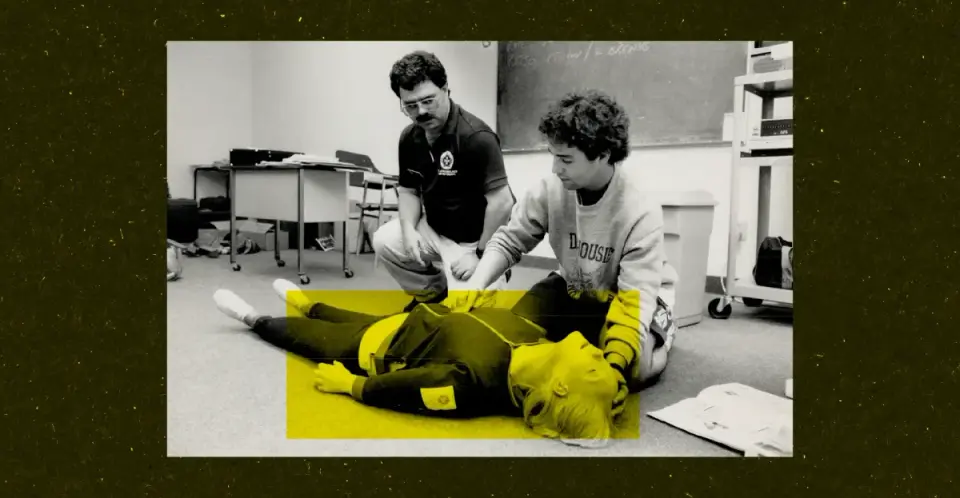
Women face a 14% lower chance of receiving bystander CPR during public cardiac arrests, a gap experts link to the widespread use of flat-chested training manikins that fail to prepare responders for female anatomy.
Key points
- An analysis of over 300,000 cases shows women are 14% less likely than men to receive bystander CPR in public.
- Bystanders often hesitate due to discomfort with touching or exposing women, fear of causing injury, or misidentifying the collapse as fainting.
- Approximately 95% of commercial CPR manikins remain flat-chested and androgynous, leaving responders unprepared for female bodies.
- Training on manikins with breast features significantly increases participant comfort and confidence in performing CPR on women.
- The American Red Cross and other manufacturers now offer female-specific manikins and retrofit kits to address this disparity.
Background
This issue highlights a broader pattern of gender bias in medical and safety design, where male anatomy has long served as the default standard. Similar gaps exist in vehicular crash testing, where the NHTSA recently introduced the THOR-05F, the first anatomically accurate female crash-test dummy, to address higher injury rates among women. In combat medicine, women also face higher fatality rates due to training protocols that exclude female-specific physiological variables. These systemic design failures underscore the urgent need for inclusive standards in life-saving equipment and protocols.
Why it matters
Out-of-hospital cardiac arrest survival rates hover around 10%, dropping by 10% for every minute without intervention. The gender gap in bystander response directly threatens women’s survival in public emergencies, making inclusive training a critical public health issue rather than a mere convenience.
What to watch
Adoption of female-specific manikins is growing, with usage tripling in the past four years, but remains limited. Researchers and governing bodies like the American Heart Association are pushing for wider integration of representative models in training programs to reduce hesitation and improve outcomes for women.
Want the full story? Read the original reporting
Read on vox.com