Tag

Medical Training

All articles tagged with #medical training

Perimenopause: A Decade-Long Transition That Overwhelms Patients and Undertrained Clinicians
health9 days ago

Perimenopause: A Decade-Long Transition That Overwhelms Patients and Undertrained Clinicians

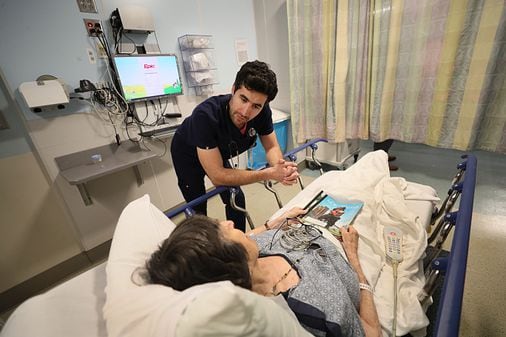
Perimenopause is a multi-year transition affecting millions of women, characterized by erratic hormonal shifts that cause diverse physical and cognitive symptoms. Despite its prevalence, many clinicians lack formal training in diagnosing or treating it, leading to misdiagnosis and patient frustration. Recent cultural shifts and updated medical guidelines are beginning to address this gap, though access to specialized care remains uneven.

"Addressing the Rise of Cervical Cancer: Insights and Prevention Strategies"
health2 years ago

"Addressing the Rise of Cervical Cancer: Insights and Prevention Strategies"

Cervical cancer kills over 300,000 people annually, but can be prevented through vaccination and early diagnosis. The World Health Organization aims to eliminate it by 2030, but faces obstacles such as vaccine hesitancy and lack of funding. Specialists suggest targeting schools for vaccination programs, busting myths through communication campaigns, integrating screening into health-care systems, and using international mentors to train doctors in low- and middle-income countries. Collaboration, funding, and stakeholder cooperation are crucial for successful implementation.

"Understanding the Distinctions: NP, PA, and Doctor Differences Explained"
healthcare2 years ago

"Understanding the Distinctions: NP, PA, and Doctor Differences Explained"

As the US faces a growing physician shortage, nurse practitioners (NPs) and physician assistants (PAs) are increasingly providing healthcare services. NPs and PAs, trained in the nursing model, offer a holistic approach to patient care, focusing on personal goals and situations. While doctors are trained in the medical model to diagnose and treat illness, NPs and PAs may have longer visits, providing more time for patient education. For complex medical conditions, doctors have an advantage due to their extensive training, but for less complex cases, NPs and PAs provide safe and cost-effective care. Patients should inquire about their provider's training, seek help if needed, and feel empowered to seek a second opinion if necessary.

Improving Pediatric ER Safety: A Hospital's Success Story | Mint
healthcare3 years ago

Improving Pediatric ER Safety: A Hospital's Success Story | Mint

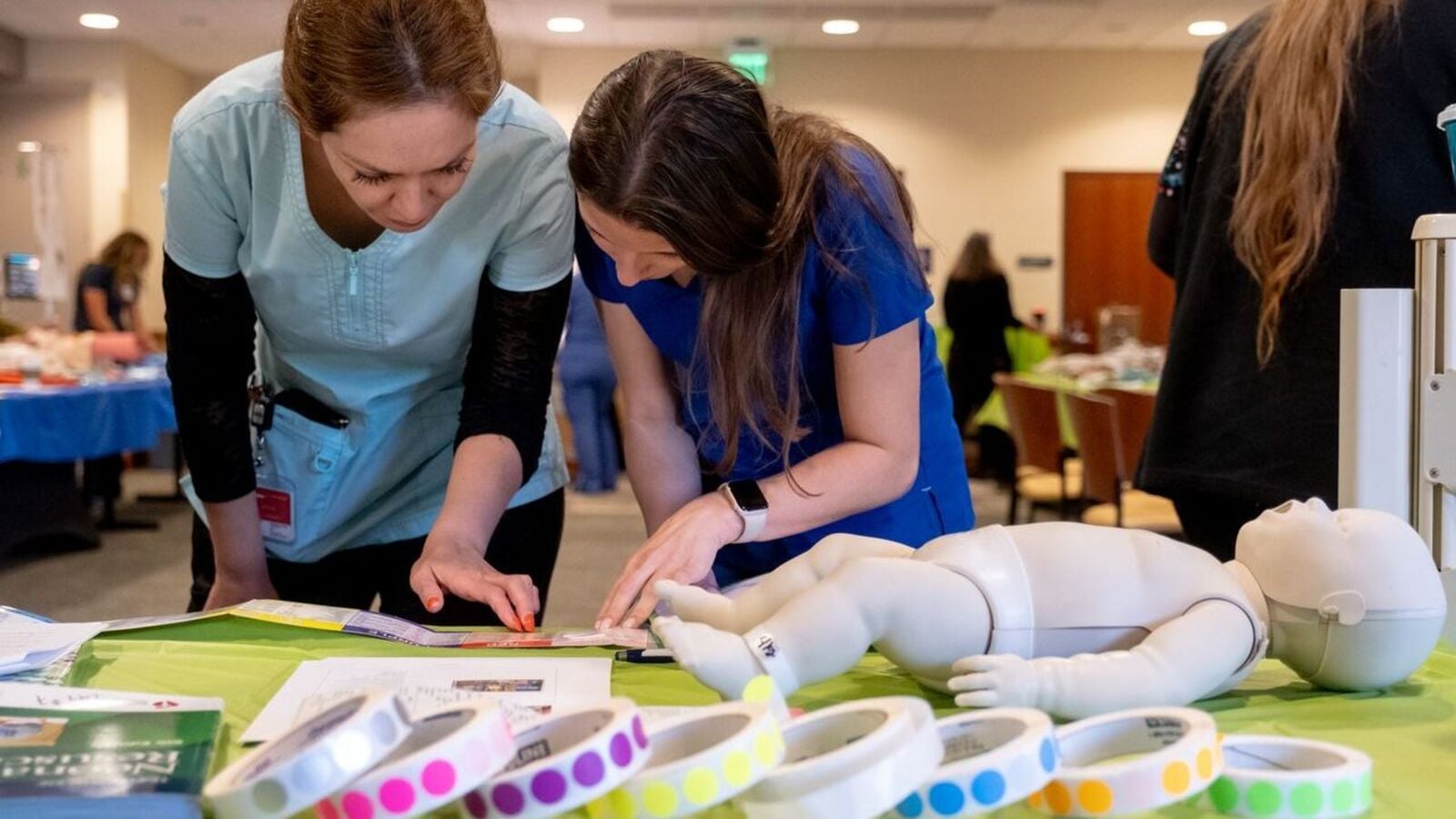
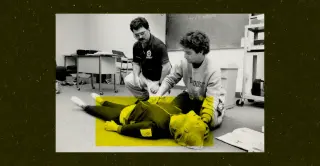
Grand River Health, a small hospital in Colorado, has significantly improved its readiness to treat children in emergency situations. By appointing child-emergency coordinators, color-coding equipment for different-sized children, and providing training for staff, the hospital scored a 97.5 on a pediatric-readiness test. This demonstrates the importance of health authorities in pushing hospitals to improve their emergency care for children. Research shows that prepared emergency rooms increase the chances of survival for critically ill children, but many departments are ill-prepared. Grand River Health's success highlights the need for more pediatric-ready emergency departments nationwide.

"Meta's VR Tech: Revolutionizing Surgeon Training and Patient Care, Despite Cost Challenges"
healthcare3 years ago

"Meta's VR Tech: Revolutionizing Surgeon Training and Patient Care, Despite Cost Challenges"

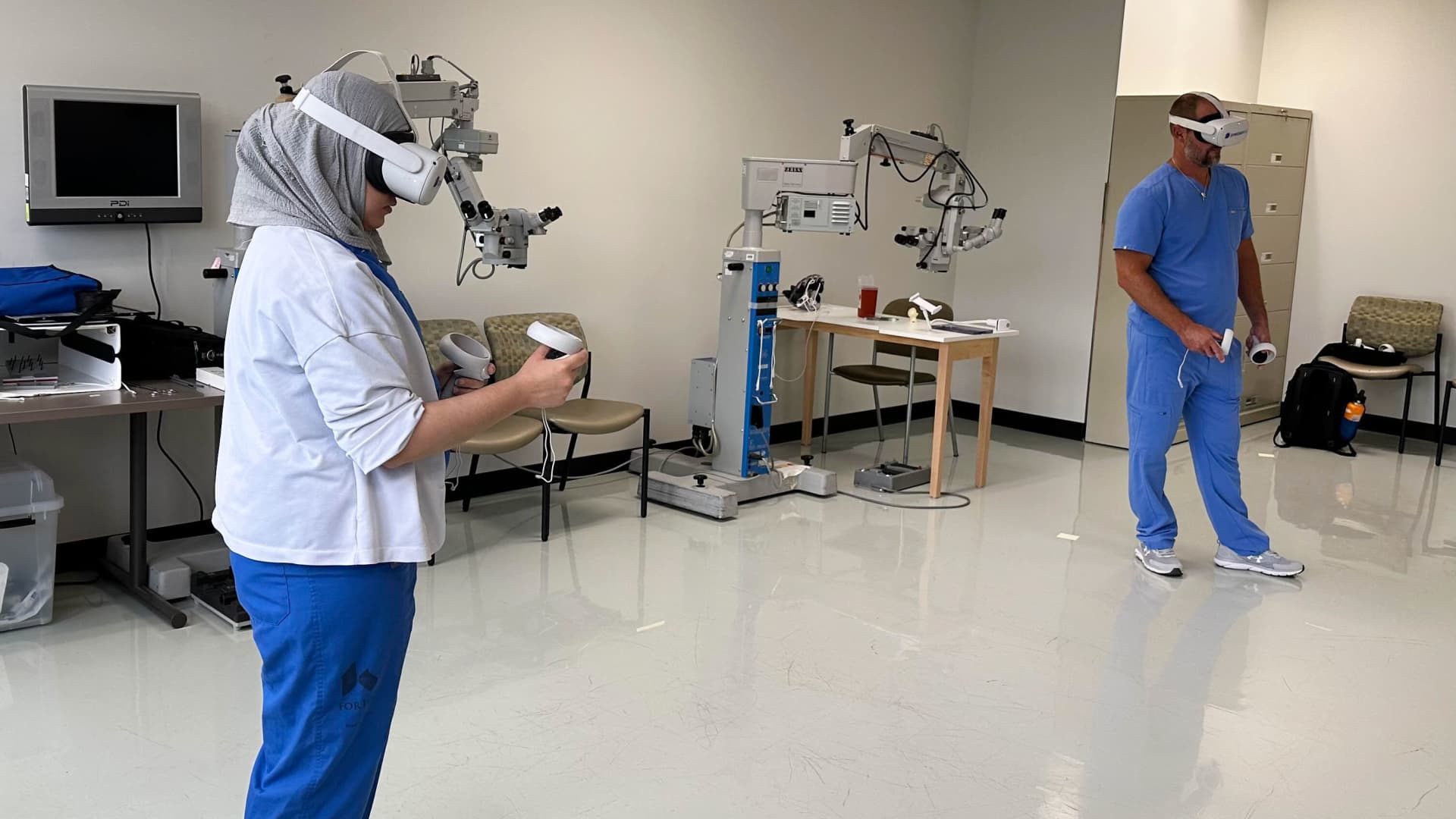
Virtual reality (VR) technology, particularly in the form of VR headsets like Meta Quest 2, is being utilized in healthcare settings to train surgeons and treat patients. Surgeons can practice procedures in a realistic 3D simulation, allowing them to fine-tune their skills and minimize risks to patients. VR is also being used for pain management and behavioral therapy, with promising results. However, the cost-effectiveness of VR in healthcare remains uncertain, and the technology is still considered clunky and not fully functional for medical professionals. Regulatory hurdles and the need for frequent updates to stay current with medical standards are additional challenges. Nonetheless, the field of extended reality in healthcare is growing, with organizations like the U.S. Department of Veterans Affairs and medical schools incorporating VR into their programs.

"Preparing Doctors for Remote Medicine in Space and on Earth"
science-and-technology3 years ago

"Preparing Doctors for Remote Medicine in Space and on Earth"

Medical institutions such as Massachusetts General Hospital (MGH) and Baylor College of Medicine are launching space medicine fellowships to prepare doctors for the unique challenges of providing medical care during space travel and prolonged missions. As space exploration becomes more accessible, there is a growing need for physicians trained in delivering complex medical care in austere environments. The fellowship programs include training in rescue medicine, rotations at NASA and commercial spaceflight companies like SpaceX, and experiences in remote locations on Earth that simulate the conditions of space. Doctors will need specialized knowledge to address the potential medical problems and make sound decisions with limited diagnostic tools. The training will also focus on understanding the effects of space on the human body, such as changes in air diffusion, infection risks, and the impact on vision, muscle, and bone density. The goal is to find the right balance between human physiology and engineering to protect human health during long-term space missions.

Iowa Woman Faces High Risk of Dementia at Young Age
health3 years ago

Iowa Woman Faces High Risk of Dementia at Young Age

Alyssa Nash, a 27-year-old woman from Iowa, has a 99% chance of inheriting the gene mutation for FTD, a rare form of early-onset dementia. Despite this, she remains hopeful about her future. Other health news includes the approval of a new quit-smoking drug, the potential for children as young as 4 to learn medical emergency training, the use of an AI chatbot to supplement cancer care, and a refresher on pool safety basics.