
San Francisco data scientist’s decade-long misdiagnosis ends with low-grade glioma discovery
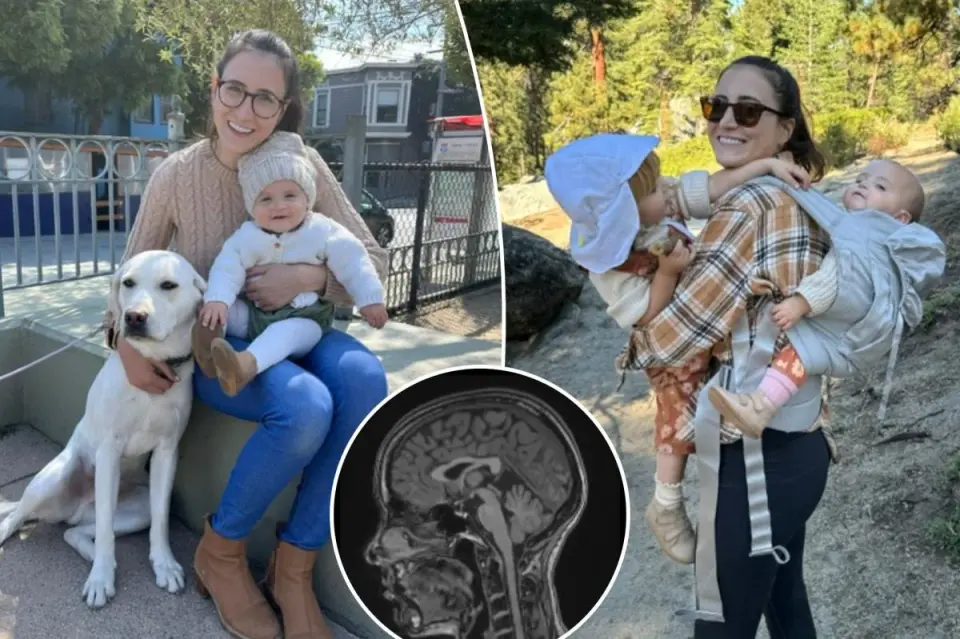
Lea Marie, a 33-year-old data scientist in San Francisco, spent ten years believing her fainting and fatigue were anxiety before discovering she had a low-grade glioma. After her symptoms worsened into seizures, she sought a whole-body MRI, which revealed a growing lesion in her temporal lobe. Doctors opted for a 'watch-and-wait' approach due to the tumor's location near language centers, while she manages epilepsy with medication and maintains an active lifestyle.
Key points
- Lea Marie was initially diagnosed with anxiety at age 22 after fainting, leading to a decade-long delay in identifying her actual condition.
- Her symptoms escalated to include seizures, tunnel vision, and night-time vomiting, prompting her to seek a whole-body MRI through Prenuvo.
- The scan revealed a lesion that grew significantly over three months, leading to a diagnosis of a low-grade glioma, a slow-growing cancer common in young adults.
- Due to the tumor's location in the temporal lobe, which affects language and memory, surgeons recommended a 'watch-and-wait' strategy instead of immediate removal.
- Marie now manages her condition with anti-seizure medication and reports feeling more active, having completed multiple marathons since diagnosis.
- She advocates for early detection and community support, noting that awareness of symptoms can reduce the fear associated with unknown health issues.
Background
This case highlights the challenges in diagnosing neurological conditions that mimic common ailments like anxiety. Recent medical advancements, such as the GammaTile implant trial and CAR-T therapies for brain tumors, offer new treatment options, though Marie’s case relies on traditional monitoring. Additionally, studies on morning headaches and plastic exposure suggest that early neurological symptoms should be evaluated carefully to rule out serious underlying causes.
Why it matters
This story underscores the importance of persistent medical advocacy and the evolving accessibility of diagnostic tools like whole-body MRIs. It also illustrates the nuanced decision-making in neurosurgery, where preserving critical brain functions may outweigh the immediate benefits of tumor removal. For patients experiencing unexplained neurological symptoms, it serves as a reminder to seek second opinions and advanced imaging when initial diagnoses do not resolve their issues.
What to watch
Marie will continue regular MRI monitoring to track the tumor's growth. If it progresses, she may consider an awake craniotomy, a procedure that allows surgeons to monitor brain function in real-time during surgery. She will also continue managing her seizures with medication and may explore additional treatments if the tumor becomes more aggressive.
Want the full story? Read the original reporting
Read on New York Post