
Durham mental health center’s water feature identified as likely source of fatal amoeba infection
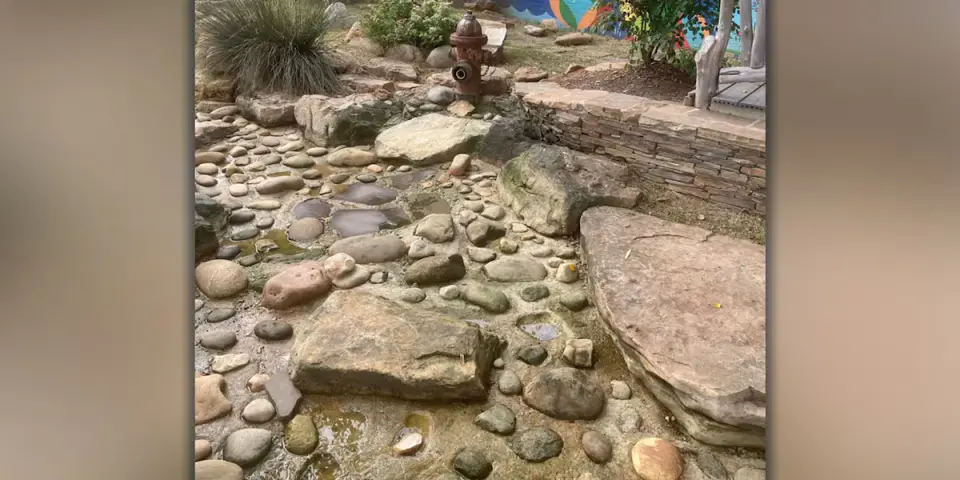
North Carolina health officials have identified a man-made water feature at the El Futuro mental health center in Durham as the 'most likely' source of the Naegleria fowleri infection that killed a 17-year-old boy. The teen, identified in earlier reports as Moises Ponce Mendoza, died on August 31 after contracting the rare brain-eating amoeba. Investigators found that the water feature, which includes a recirculating pump and fountains, lacked proper permits and effective disinfection, creating ideal conditions for the amoeba to thrive. The facility has been closed since August 28, and officials are urging the public to avoid similar warm water exposures.
Key points
- The North Carolina Department of Health and Human Services (NCDHHS) released a report on September 15 identifying the El Futuro water feature as the most likely source of the fatal infection.
- The teen, 17-year-old Moises Ponce Mendoza, died on August 31 after becoming critically ill on August 28; symptoms began on August 19, aligning with the amoeba's typical five-day incubation period.
- El Futuro, a nonprofit mental health organization, operates a clinic in Durham with an outdoor 'therapeutic garden' featuring a man-made creek, fountains, and a play water pump.
- Investigators found that the water feature was maintained only through power washing and manual chlorination, with heavy algal growth and a water temperature of 91.4 degrees Fahrenheit, which is ideal for Naegleria fowleri.
- The Durham County Health Department ordered the closure of the water feature on August 28, and it remains closed with 'Keep Out' signs posted, though no physical barrier prevents access.
- El Futuro never completed the required application, evaluation, and permitting process for the water feature, according to the Durham County Health Department.
Background
This case follows a series of earlier reports in September 2026 regarding a central North Carolina teenager who contracted Naegleria fowleri. Initial reports on September 3 and 6 noted that the teen was critically ill and later died, with health officials investigating possible exposure sources. The family sought answers as officials looked into swimming locations, but no source was identified until the September 15 report. The current investigation builds on those earlier reports, providing a specific location and details about the water feature's maintenance and conditions.
How outlets are covering it
All four sources (WBTV, WRAL, ABC11, WXII) agree that the El Futuro water feature is the 'most likely' source of the infection, based on NCDHHS findings. WBTV and WXII emphasize the specific details of the water feature's design (man-made creek, fountains, play pump) and the lack of effective disinfection, as well as the heavy algal growth and high water temperature. WRAL highlights El Futuro's role as a nonprofit mental health organization supporting Latino families and includes a statement from the organization expressing their grief and commitment to cooperating with officials. ABC11 focuses on the public reaction, with community members expressing surprise that the source was a small man-made feature rather than a larger body of water like Falls Lake or Jordan Lake, and notes that the water feature lacked required permits. All sources report that the teen's identity was withheld by the family, though earlier archive reports identified him as Moises Ponce Mendoza. There is no significant disagreement among the outlets, but they emphasize different aspects: WBTV and WXII focus on the technical and environmental factors, WRAL on the organization's response, and ABC11 on community concerns and regulatory failures.
Why it matters
This case underscores the importance of proper maintenance and permitting for public water features, especially those used for therapeutic or recreational purposes. The lack of effective disinfection and the presence of heavy algal growth in the El Futuro water feature created ideal conditions for Naegleria fowleri, a rare but deadly amoeba. The incident highlights the need for stricter oversight and regular testing of water features to prevent similar outbreaks. Additionally, it serves as a reminder to the public to take precautions when engaging in water activities, such as preventing water from entering the nose, to reduce the risk of contracting Naegleria fowleri or other waterborne pathogens.
What to watch
The El Futuro water feature remains closed, and it is unclear when or if it will reopen. The Durham County Health Department and NCDHHS are likely to continue monitoring the situation and may implement additional measures to prevent similar incidents in the future. El Futuro has stated that it will fully cooperate with public health officials, and the organization may face scrutiny over its failure to complete the required permitting process for the water feature. The case may also lead to increased awareness and precautions regarding Naegleria fowleri and other waterborne pathogens, particularly in areas with warm freshwater sources.
- Report points to ‘most likely’ source of brain-eating amoeba that killed North Carolina teen WBTV
- Durham water feature found as likely source of ‘brain-eating’ amoeba infection that killed teen WRAL
- Brain-eating amoeba that killed NC teen linked to water feature tied to man-made creek at Durham mental health facility ABC11 News
- NC teen who died from brain-eating amoeba 'most likely' contracted infection in Durham: Officials WXII
- Health officials identify 'likely source' of rare brain infection that killed NC teen WLOS
Want the full story? Read the original reporting
Read on WBTV