
Experts Link Cognitive Training and Exercise to Slowed Brain Decline
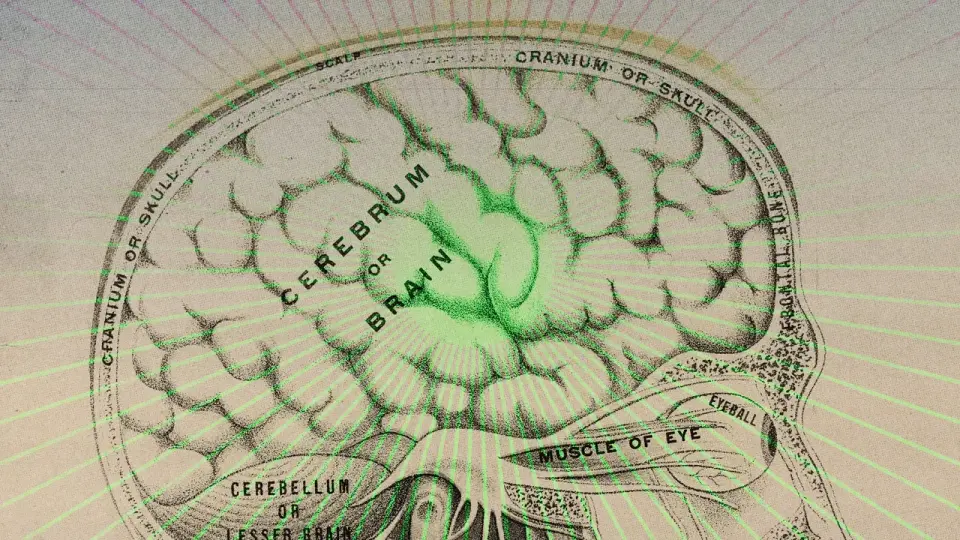
Recent research and expert protocols suggest that combining physical activity with structured mental exercises can help preserve brain function in older adults. A study in JAMA Network Open found that cycling combined with adaptive cognitive games preserved key brain structures in people with mild cognitive impairment. Meanwhile, neuropsychologist Giuseppe Alfredo Iannoccari promotes daily 'Brain Breaks' to maintain agility through neuroplasticity. While these methods show promise, experts caution that they are not cures for dementia and that evidence for long-term prevention remains limited.
Key points
- A JAMA Network Open study involving 146 older adults with mild cognitive impairment found that combining indoor cycling with adaptive brain-computer games preserved brain structures linked to Alzheimer’s disease over 18 months.
- Neuropsychologist Giuseppe Alfredo Iannoccari, a professor at the University of Milan, developed a protocol based on neuroplasticity, claiming a 25-30% improvement in overall cognitive efficiency for participants in his group sessions.
- Iannoccari recommends five daily 'Brain Breaks,' including recounting news items to others, listing words by letter, using the non-dominant hand, recalling phone numbers without devices, and reflecting on the day’s events before sleep.
- Dr. Liron Sinvani, director at the Northwell Institute for Healthy Aging, notes that while exercise builds brain resilience through blood flow, cognitive training specifically targets attention and processing speed, with the combination offering a low-risk boost.
- The World Health Organization’s 2026 guidelines acknowledge potential benefits of cognitive training but emphasize that evidence regarding long-term prevention of cognitive decline remains limited.
Background
This story builds on recent coverage regarding lifestyle interventions for brain health. In November 2026, a Maastricht University trial suggested daily peanut consumption improved brain insulin response in older adults. Additionally, earlier reports highlighted that daily movement could extend life expectancy and that physical activity boosts cognitive function in children with ADHD. These findings align with the current focus on combining physical and mental exercises to combat age-related decline.
How outlets are covering it
GQ highlights the subjective experience of mental fatigue and the role of neuroplasticity in daily habits, featuring Iannoccari’s specific exercises. The New York Post focuses on clinical evidence from the JAMA study, emphasizing the physical benefits of cycling and the specific nature of adaptive cognitive games. The Baltimore Sun mentions broader lifestyle factors like fasting and exercise at the Society for Neuroscience meeting, though it provides less detail on the specific cognitive protocols. While GQ and the Post agree on the value of combined physical and mental training, the Post notes that the study found the combination was not significantly better than cycling alone, suggesting exercise may be the primary driver of benefits.
Why it matters
As the population ages and cases of Alzheimer’s disease rise, understanding non-pharmacological interventions is critical. These findings suggest that consistent, structured mental and physical activities may help preserve cognitive reserve, even after memory challenges begin. However, the lack of a cure for dementia means that lifestyle changes are currently the most accessible tools for maintaining brain health and delaying decline.
What to watch
Researchers will continue to study the long-term effects of combined physical and cognitive training. The World Health Organization is expected to update its guidelines based on emerging evidence. Individuals are encouraged to consult doctors before starting new exercise routines and to incorporate small, consistent mental challenges into their daily lives.
- How to Improve Brain Health with 5 Daily Exercises GQ
- How fasting and exercise may protect the brain from Alzheimer’s Baltimore Sun
- Resistance training could help boost brain health and confidence in older adults The Conversation
- Two-step routine could help ward off Alzheimer’s disease: study New York Post
- Training Acts Like a “Protection Account” Against Dementia Yahoo Life UK
Want the full story? Read the original reporting
Read on GQ