
Vibrio vulnificus infections surge in Gulf states, prompting urgent public health warnings
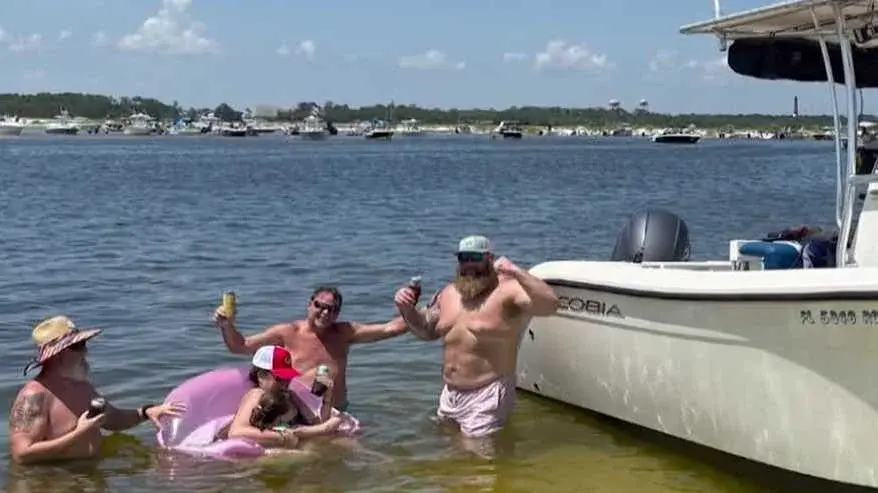
Vibrio vulnificus infections have spiked in the US Gulf region, with Florida reporting 14 cases and Louisiana recording nine cases, five of which were fatal. Health officials warn that the bacteria, which thrives in warm coastal waters, can cause rapid tissue decay and death, particularly for individuals with open wounds or compromised immune systems.
Key points
- Florida has recorded 14 Vibrio vulnificus cases in 2026, including two deaths, according to the Florida Department of Health.
- Louisiana has confirmed nine cases this year, resulting in five deaths, a significant increase from the historical average of one death per year.
- All nine Louisiana cases were linked to open wounds exposed to seawater, not shellfish consumption.
- The bacteria can cause necrotizing fasciitis, leading to limb amputation or death within hours if untreated.
- High-risk groups include those with liver disease, diabetes, weakened immune systems, or recent surgeries.
Background
Our archive from late July 2026 noted that Florida had already recorded 12 cases and one death by early August, with infections linked to both shellfish and seawater exposure. The CDC has long noted that Vibrio vulnificus is rare but highly lethal, with a mortality rate of up to 20% for severe infections. Recent climate studies suggest that warming oceans are allowing the bacteria to proliferate further north, potentially increasing the geographic range of risk.
How outlets are covering it
While WESH focuses on individual survivor stories and the rapid progression of the infection in Florida, KPLC and The Guardian emphasize the statistical surge in Louisiana. KPLC highlights that all nine Louisiana cases involved water exposure rather than food, a distinction not emphasized in the Florida reporting. The Guardian adds a broader climate perspective, noting that warming oceans may be expanding the bacteria's range northward, whereas local outlets focus on immediate coastal precautions. All sources agree on the critical importance of rapid medical intervention for at-risk individuals.
Why it matters
The sharp rise in fatalities and cases in Gulf states signals a heightened public health risk during the summer months. The speed at which Vibrio vulnificus can destroy tissue and cause septic shock means that delayed treatment is often fatal. Understanding the specific risk factors, such as open wounds in warm water, is crucial for preventing life-threatening outcomes in vulnerable populations.
What to watch
Health officials in both Florida and Louisiana are urging residents to avoid exposing open wounds to coastal waters and to seek immediate medical care if symptoms like redness, swelling, or fever develop after water exposure. Continued monitoring of case numbers and potential northward expansion of the bacteria will be critical as the season progresses.
- 'I did have a cut when we went boating': Florida woman describes flesh-eating bacteria as cases rise WESH
- Flesh-eating bacteria is on the rise in Maryland. Here are some tips to avoid infection. CBS News
- Calcasieu Parish Coroner issues public health warning over deadly bacteria found in local waters KPLC 7 News
- Florida reports another death from flesh-eating bacteria Vibrio vulnificus WFLA
- Louisiana warns beachgoers amid surge in flesh-eating bacteria infections The Guardian
Want the full story? Read the original reporting
Read on WESH