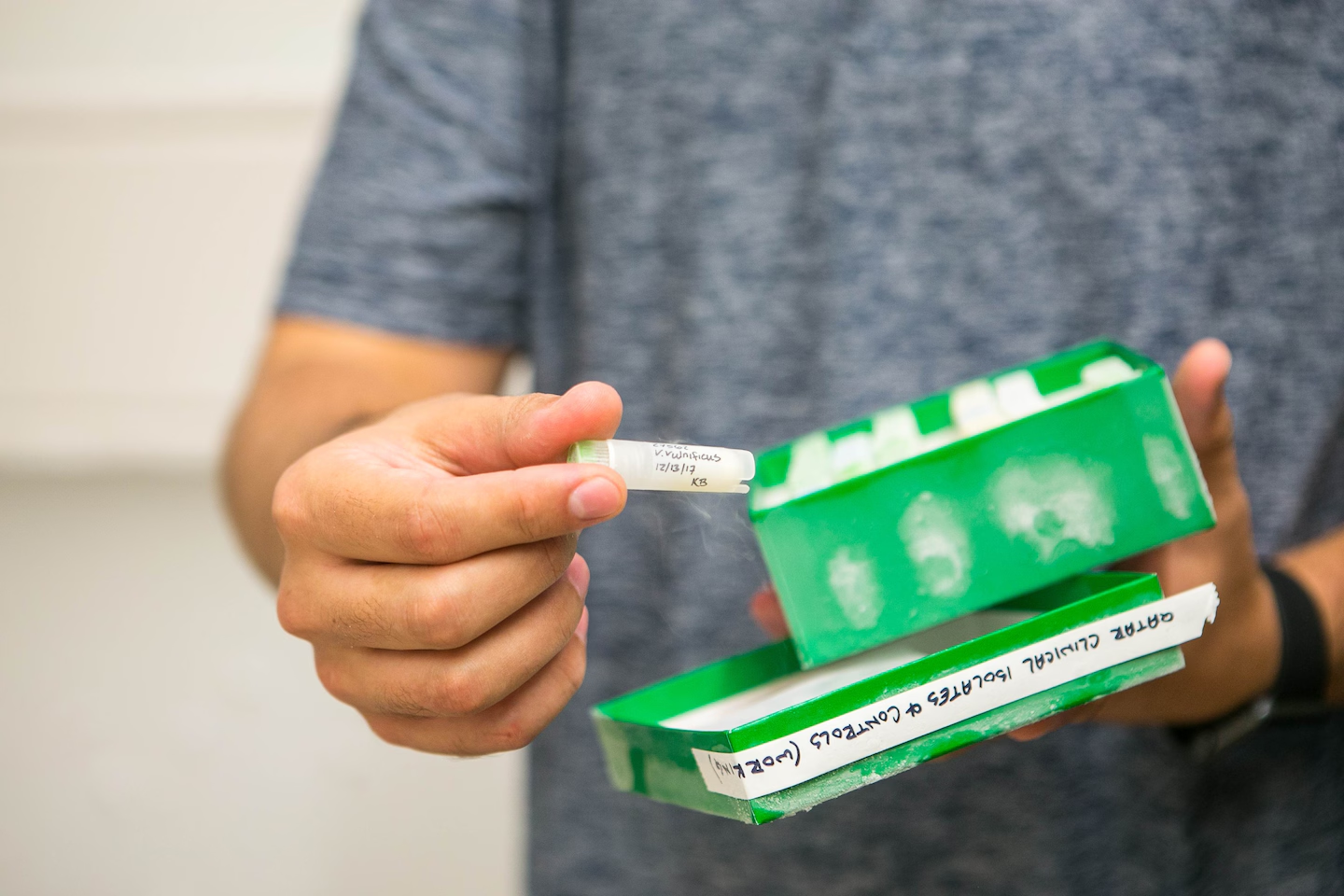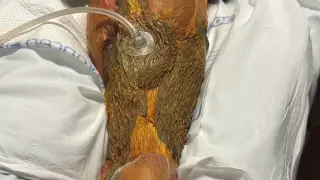
Florida has logged 14 cases of Vibrio vulnificus this year, including a child in Brevard County; doctors warn that while the flesh-eating bacteria is rare, it can rapidly injure tissue (necrotizing fasciitis) after an open wound in warm saltwater or brackish water or from undercooked shellfish, with higher risk for people with weakened immunity; a survivor recounts a 2025 infection that cost her a leg, highlighting the seriousness and urging vigilance and early treatment if symptoms develop.
Vibrio vulnificus, a flesh‑eating bacterium that thrives in warm seawater, is spreading as ocean temperatures rise, increasing infections in the U.S. and Europe. In the U.S., cases have been reported in Louisiana (9 cases, 5 deaths), Florida (14 cases, 2 deaths), and Maryland (72 cases as of late June), with the bacterium also spreading into new coastal areas due to warming waters. Infections typically occur when people with open wounds are in warm or brackish water or when handling/consuming raw shellfish; symptoms can progress rapidly to severe tissue damage (necrotizing fasciitis) and even death if not treated promptly. Treatments involve urgent IV antibiotics and sometimes surgical removal of infected tissue, and there are growing concerns about antibiotic resistance. Climate change is driving this spread and amplifying exposure via stronger storms. CDC guidance to reduce risk includes keeping wounds out of water, covering fresh wounds with waterproof bandages, avoiding handling raw seafood when wounds are present, and washing any wounds promptly after water exposure. The infection remains rare but potentially deadly, underscoring the importance of awareness and quick medical care.
Louisiana has nine Vibrio vulnificus infections and five deaths this year, all linked to entering warm seawater with open wounds; the bacteria can cause severe illness and a mortality rate around 20%, particularly for those with liver disease or weakened immune systems. Infections rise in May–October; prevention includes avoiding warm saltwater with wounds, steering clear of raw shellfish, and seeking prompt medical care for symptoms such as fever, swelling or severe pain.
Health officials warn that flesh-eating bacteria capable of causing necrotizing fasciitis can be found in both Gulf Coast saltwater and Houston-area lakes and ponds. To reduce risk, avoid swimming with open wounds or recent tattoos, wash after water exposure, monitor wounds for signs of infection, and seek urgent care if infection signs appear; early treatment is critical. The bacteria occur naturally in the environment, and immunocompromised individuals are at higher risk. Check Texas Beach Watch for current water quality before heading out.
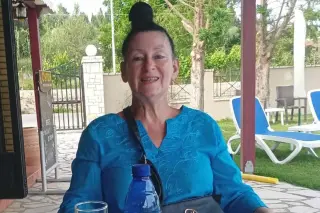
Sharon Alexander, a 72-year-old pastry chef and mother of eight, believed her worsening backache from a long shift was nothing serious, but she developed necrotizing fasciitis, a rare flesh-eating infection, which spread rapidly and led to her death days after hospital admission; her daughter Scarlett Simpson has launched a GoFundMe for the NF Foundation and completed a 50-mile hike to raise awareness and funds.
Caroline Fonjock, a 45-year-old from Haverhill, initially thought a leg lesion was just a boil, but it rapidly turned into necrotizing fasciitis, a rare and deadly infection. She required emergency surgery, skin grafts and spent two weeks in a medically induced coma in ICU; five years later she has relearned walking and speaking and hopes sharing her story raises awareness for early diagnosis of the condition.
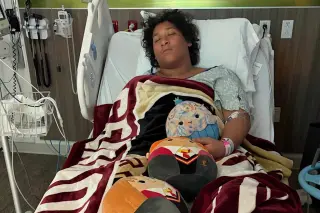
A teenager in Florida was hospitalized after contracting a flesh-eating bacterial infection while swimming with siblings; doctors warn these infections can be serious and require prompt medical attention.
A NEJM case report describes a 74-year-old Florida man whose leg was nearly destroyed by Vibrio vulnificus causing necrotizing fasciitis, leading to above-knee amputation and skin grafts; the infection highlights rising risk from warmer coastal waters tied to climate change, with cases increasing in the U.S. and a substantial fatality rate despite treatment, prompting efforts to predict and prevent outbreaks.
A 20-year-old English amateur footballer, Luke Abrahams, died in January 2023 from sepsis and necrotizing fasciitis after doctors reportedly dismissed his symptoms as tonsillitis or sciatica; in the days leading to his death he interacted with multiple healthcare providers, including ambulance crews, who did not transfer him to hospital promptly. An inquest was opened in January 2023 at Northampton Coroner's Court, with his parents calling for accountability and a review of the care he received as investigations into the handling of his case continue.
A 20-year-old English amateur footballer, Luke Abrahams of Northampton, died on Jan. 23, 2023 from sepsis and necrotizing fasciitis after doctors reportedly dismissed warning symptoms as tonsillitis and later sciatica; an inquest was opened and investigations found failures to escalate to hospital by medical staff and ambulance crews, prompting calls from his family for accountability.
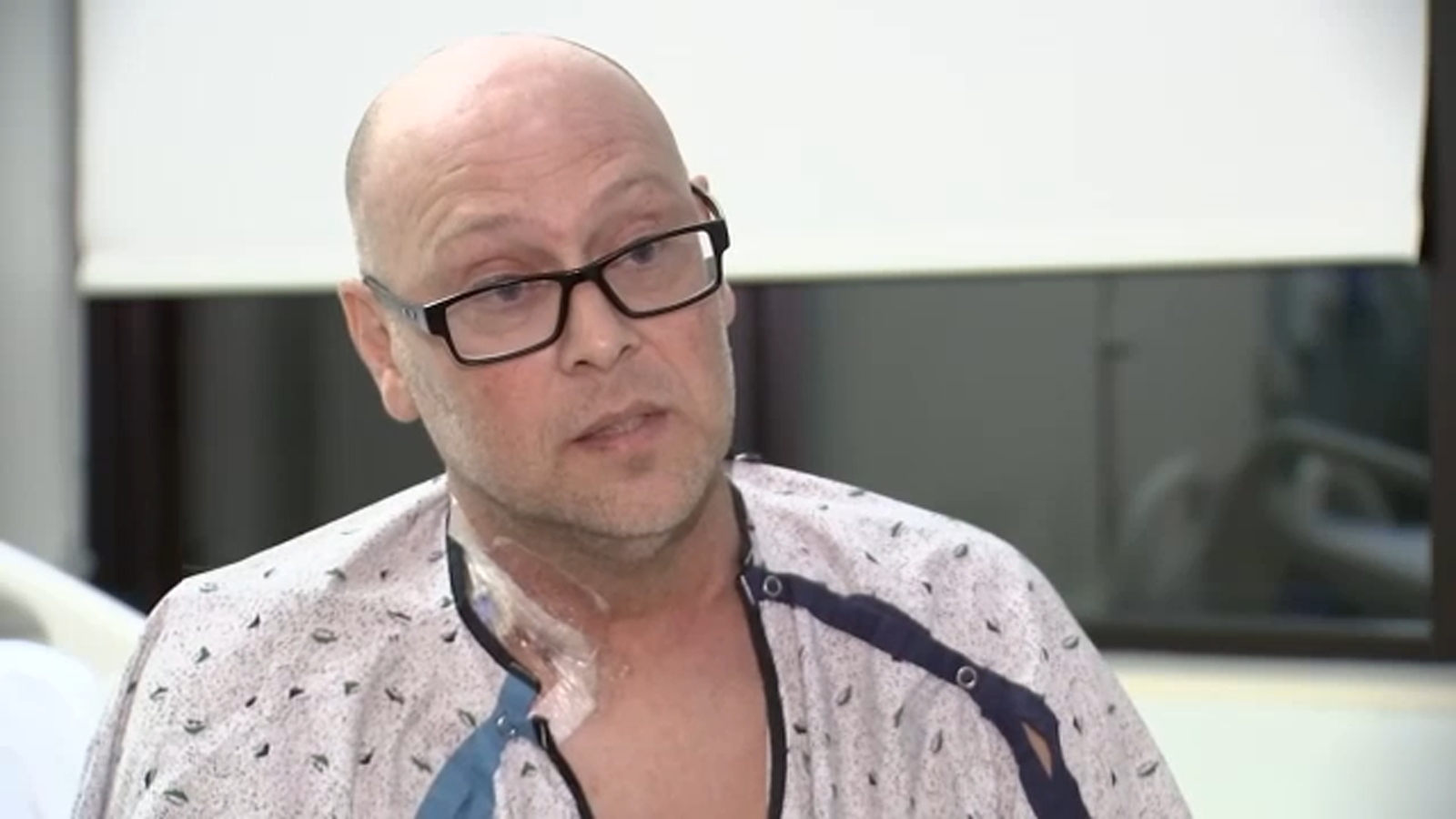
A Montgomery County business owner is hospitalized with a rare flesh-eating bacterial infection, necrotizing fasciitis, but is showing signs of recovery after emergency treatment, with family and community support aiding his ongoing recovery.
Two deaths in Bay County, Florida, in 2025 are linked to vibrio vulnificus, a bacteria that can cause severe infections like necrotizing fasciitis, often mistaken as 'flesh-eating.' The bacteria thrive in warm seawater and are contracted mainly through contaminated seafood or water exposure, with five deaths reported across Florida this year amid 16 cases.
There has been a surge in cases of flesh-eating bacteria, specifically Vibrio vulnificus, along the Gulf Coast, linked to warm saltwater exposure, with severe infections and fatalities. Immediate antibiotic treatment and wound care are crucial, especially for vulnerable populations, amid rising water temperatures and extreme weather events.
Four people in Florida have died from flesh-eating bacteria, Vibrio vulnificus, which is linked to warm saltwater and can cause severe infections and death; the state reports about 11 cases annually, with higher numbers during hurricane seasons.
A mother of two in San Diego lost all four limbs after developing sepsis and necrotizing fasciitis from a co-infection of the flu and strep A bacteria, highlighting the severe risks of common infections. She survived but faces ongoing challenges and is raising funds for prosthetics to care for her children.