
BMJ Review: Calcium and Vitamin D Supplements Fail to Prevent Fractures in Most Older Adults
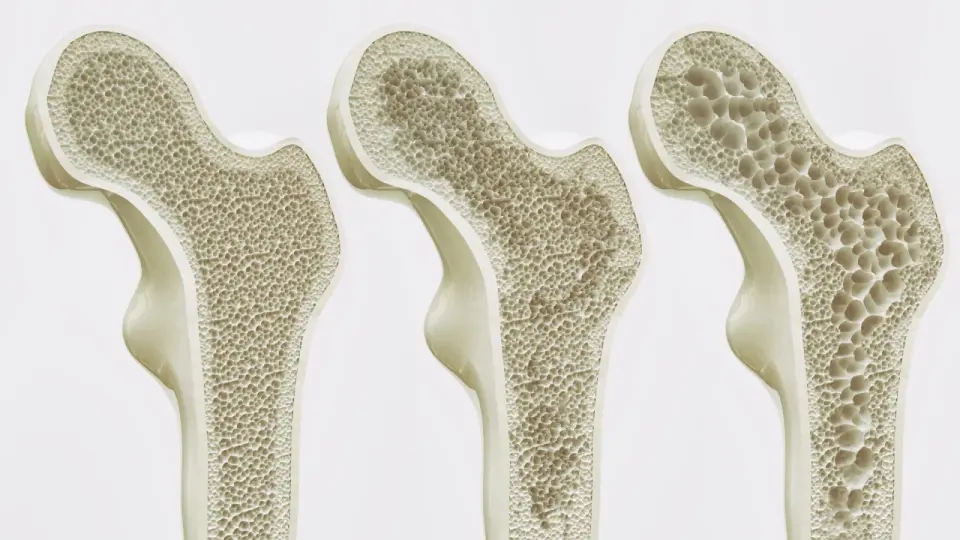
A large systematic review indicates that routine calcium and vitamin D supplementation offers little to no protection against fractures or falls for most older adults, suggesting a need to shift focus toward exercise-based interventions.
Key points
- Analysis of 69 randomized trials involving 153,902 adults found no meaningful reduction in fracture or fall risk from calcium, vitamin D, or combined supplementation.
- Evidence quality was rated moderate to high certainty, with calcium data based on 11 trials and vitamin D data on 36 trials.
- Researchers argue that current clinical guidelines and regulatory recommendations for routine supplementation should be re-evaluated in light of these findings.
- The study notes exceptions for individuals with specific bone disorders or those undergoing osteoporosis treatment, who may still require supplementation.
- Experts recommend prioritizing balance training and resistance exercise, which have demonstrated meaningful benefits for preventing falls and injuries.
Background
Previous coverage highlighted that while calcium and vitamin D are essential for bone structure, recent studies have questioned their efficacy as preventive supplements. Earlier reports noted that peak bone mass is achieved by puberty, and while dietary sources like dairy and leafy greens are recommended, the role of supplements in preventing age-related bone loss has been debated. This new review adds to a growing body of evidence challenging the routine use of these supplements for general bone health maintenance.
Why it matters
This finding challenges a widespread public health practice, as millions of older adults rely on these supplements to prevent falls and fractures. If routine supplementation is ineffective, resources and attention should shift toward proven physical interventions, potentially reducing healthcare costs and improving quality of life for the elderly population.
What to watch
Clinicians and regulatory bodies are urged to reassess general recommendations for calcium and vitamin D. Future research should focus on well-powered trials to determine if supplementation benefits high-risk subgroups, while public health strategies should emphasize exercise programs and fall hazard assessments.
Want the full story? Read the original reporting
Read on sciencedaily.com