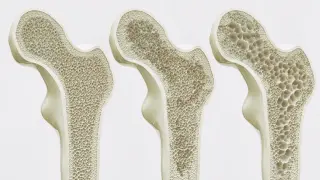
No single beverage can prevent osteoporosis, but choosing drinks rich in calcium, vitamin D, and protein supports bone strength. Milk and fortified plant-based options are primary sources, while water and mineral water aid hydration. Limiting sugary sodas and excessive caffeine is recommended to maintain optimal calcium balance.
A large review of 69 randomized trials including about 153,902 adults found that calcium and vitamin D supplements, alone or together, provide little to no protection against fractures or falls for most older people, suggesting routine supplementation should be reconsidered in favor of exercise-based fall prevention such as balance and resistance training.
A BMJ analysis of 69 trials involving about 154,000 adults found that calcium and/or vitamin D supplements offer little to no protection against falls or fractures in older people; the researchers note exceptions for those with osteoporosis or actively being treated for bone disease, and they urge clinicians and regulators to reassess general supplementation guidelines while continuing to emphasize diet and exercise for bone health.
A health feature argues that bone health hinges on more than calcium from milk: vitamin D, protein and other nutrients support bone structure, especially as menopause accelerates bone loss. It offers practical Indian-food options—ragi, sesame seeds, curd, soy/tofu, leafy greens, small fish with bones, and pulses—to boost calcium and protein intake, emphasizing variety and consulting a clinician if osteoporosis risk exists.
A TODAY health piece explains that while dairy is the major calcium source, several fruits contribute meaningful amounts to bone health, especially for those on dairy‑free diets. It lists nine calcium‑rich fruits with their typical mg per serving: prickly pears (83 mg per cup), oranges (65 mg per orange or 349 mg per cup of fortified juice), black currants (61 mg), dried figs (60 mg), blackberries (42 mg), papaya (29 mg), kiwifruit (26 mg), prunes (19 mg per 1/4 cup or 30 mg in prune juice), and dried apricots (18 mg per 1/4 cup). Adults need about 1,000 mg daily, vitamin D aids calcium absorption, and fortified fruit juice can help supplement intake, though whole fruits provide fiber and other nutrients; a thoughtfully planned plant‑based approach can meet calcium needs when combined with other calcium‑rich foods.
A TODAY health expert explains that two nutrients—calcium and vitamin D—are key to slowing age-related bone loss and reducing fracture risk. Peak bone mass is achieved by puberty, but adults should still meet daily calcium targets (1,000 mg for ages 19–50; 1,200 mg for women 51–70 and all adults 71+) and take a doctor-guided vitamin D dose (600–10,000 IU, with sunlight as a major source). Foods such as milk, yogurt, cheese, kale, fortified juice, sardines and salmon help meet calcium needs; vitamin D is harder to obtain from food and may require sun exposure or supplementation. Combine with regular strength and cardio exercise and avoid excessive supplementation.
Calcium deficiency can hide behind subtle signs like muscle cramps, tingling around the mouth or fingers, fatigue, brittle nails, and dry skin, and calcium is vital for muscles, nerves, heart, and bones. Because vitamin D and magnesium affect calcium absorption and regulation, doctors recommend a full blood workup (including vitamin D and parathyroid hormone) and, if needed, a 24-hour urine calcium test, plus bone-density screening as you age. The NIH suggests about 1,000 mg of calcium daily for most adults (1,200 mg for women over 50 and men over 70), prioritizing calcium from foods and using supplements only if labs show a true need to avoid kidney stones and constipation.
In a Swiss GERICO cohort of 586 older, largely postmenopausal women with adequate calcium intake, calcium supplements did not improve hip bone mineral density or bone strength during osteoporosis treatment. However, low dietary protein intake (<0.8 g/kg/day) attenuated the bone-sparing benefits of antiresorptive therapy, suggesting that ensuring sufficient protein may be more important than calcium supplementation when dietary calcium is already adequate. The study followed participants for about 3.5 years using DEXA and finite element analysis.
Coffee can interfere with the absorption of iron, calcium, vitamin D, B vitamins, zinc, and magnesium. To maximize uptake, time your coffee 1-2 hours away from taking supplements or eating vitamin-rich foods, and consult a healthcare professional before starting any supplement regimen.
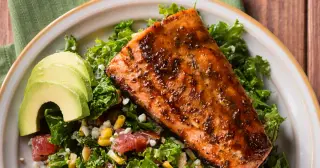
As bone density peaks around age 30 and gradually declines with age, a doctor emphasizes pairing calcium with vitamin D to maximize absorption. The top foods to support bone density are yogurt, milk, calcium-fortified soy milk, cottage cheese, salmon, sardines, and tofu. Aim for about 1,000 mg of calcium daily (1,200 mg for women over 50 and adults over 70) and 15 mcg (600 IU) of vitamin D, or 20 mcg (800 IU) for seniors. Whole foods offer additional nutrients beyond calcium, and many adults are Vitamin D deficient, so focus on both nutrients in your diet and consult a doctor if considering supplements. Meal ideas include yogurt-milk smoothies, sardine salads, roasted salmon, tofu stir-fries, and labneh with smoked salmon.
Dietitians say you can boost nutrient absorption by smart pairings: combine vitamin C–rich foods with iron-rich plant foods (e.g., strawberries in a spinach salad or a lemon-dressed lentil salad); add healthy fats to meals containing vitamins A, D, E and K (olive oil on salads, seeds/nuts); use spices like black pepper, garlic, and ginger to improve zinc, iron, and curcumin absorption; pair vitamin D sources with calcium (fatty fish with leafy greens) to enhance calcium uptake; and focus on a varied, nutrient-dense diet to maximize the bioavailability of nutrients.
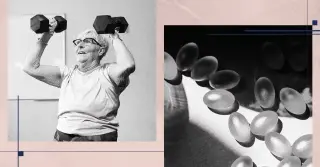
A BMJ meta-analysis of 69 trials with over 153,000 adults shows that vitamin D, calcium, or both together offer little to no meaningful reduction in fractures or falls for most healthy adults. The findings don’t deem supplements useless but highlight that bone health depends on lifestyle factors—exercise, diet, sunlight, and overall habits—rather than pills alone. Supplements may still be warranted for those with true deficiencies, osteoporosis, malabsorption, limited sun exposure, or specific medical conditions, under a doctor’s guidance. Practical steps to support bones include regular weight-bearing and strength training, calcium- and protein-rich foods, morning sunlight, avoiding smoking and excess alcohol, maintaining a healthy weight, and falls prevention.
A BMJ review of 69 clinical trials with nearly 154,000 participants finds that calcium, vitamin D, or their combination provide little to no protection against fractures or falls in older adults, underscoring that bone health hinges on a comprehensive, individualized approach—stronger emphasis on exercise, nutrition, and safety measures beyond supplements.
A comprehensive review of 69 trials with more than 154,000 adults finds calcium or vitamin D supplements, alone, do little to prevent fractures or falls; even combined use yields tiny, likely clinically insignificant benefits (about 1 fewer fracture per 100 people and ~3 fewer hip fractures per 1,000). The benefits may exist in highly deficient or osteoporotic individuals, but for the general population regular exercise, weight-bearing and balance training, and fall-risk reduction remain the best strategy for bone health.
A meta-analysis of 69 trials with more than 154,000 adults found that calcium or vitamin D supplements, alone or in combination, do not meaningfully reduce fractures or falls; any benefits are small and not clinically significant for the general population, though supplements may help people with osteoporosis or severe deficiency. The study reinforces that regular physical activity, weight‑bearing and balance exercises, and fall-prevention strategies remain the most effective ways to protect bone health.