
Midlife Hormonal Shifts Linked to Relationship Strain in Men
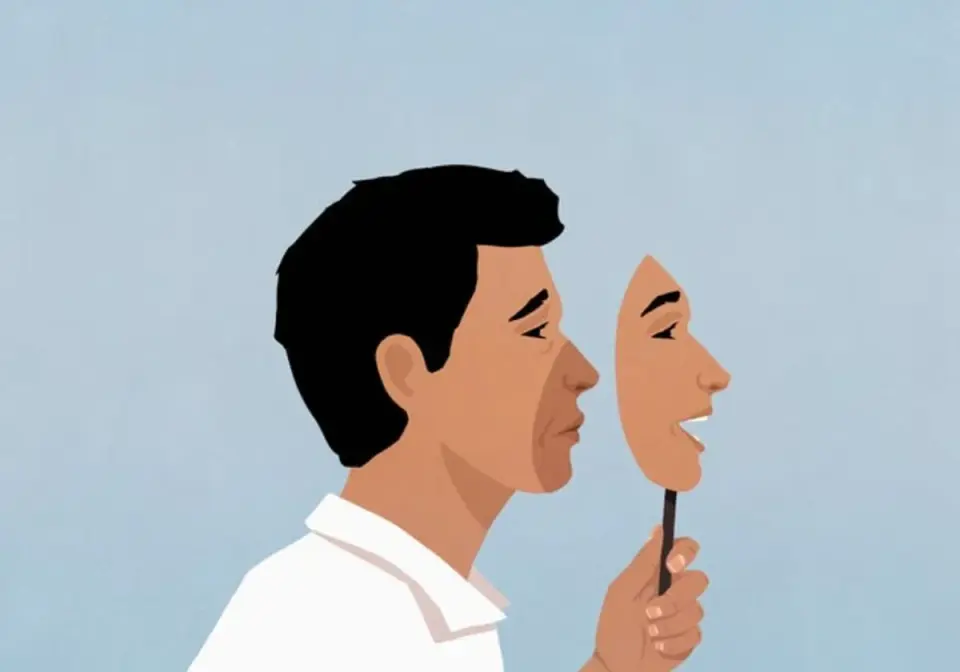
Experts link age-related testosterone drops in men to increased anxiety, irritability, and relationship conflicts. While not a formal clinical diagnosis, this condition, often called andropause, requires medical evaluation and lifestyle adjustments to manage symptoms effectively.
Key points
- The term 'irritable male syndrome' describes a cluster of symptoms resulting from age-related hormonal changes, particularly the decline of testosterone in men in their 40s and 50s.
- Symptoms include heightened anxiety, reduced confidence, depression, sleep disruption, and lower libido, which can significantly strain romantic partnerships.
- Experts emphasize that these changes are not merely a 'midlife crisis' but a physiological shift that impacts psychological health and daily functionality.
- Suppressed emotions and unresolved resentment may surface as anger or irritability during this period, often leading to a negative cycle of withdrawal and conflict.
- Medical professionals recommend seeking help through blood tests to check testosterone levels, alongside lifestyle changes like better sleep and exercise, or potentially testosterone replacement therapy.
Background
Previous coverage in September 2026 established that 'irritable male syndrome' is a recognized term coined by Scottish scientist Gerald Lincoln in 2001 to describe behavioral changes in males with declining testosterone. Earlier reports highlighted that these symptoms, including fatigue and cognitive issues, overlap with andropause and are critical to address given the high suicide rates among midlife men. Recent cultural discussions have also touched on masculinity and male health, though the focus here remains on the physiological and psychological impacts of aging.
Why it matters
Understanding the physiological basis for midlife mood changes can help men and their partners address relationship issues proactively rather than viewing them as personal failings. Recognizing these symptoms as medical issues rather than character flaws encourages early intervention, potentially preventing long-term relationship breakdowns and improving overall mental health outcomes for aging men.
What to watch
Men experiencing persistent symptoms should consult healthcare providers for testosterone testing and mental health support. Lifestyle modifications, such as improving sleep and diet, are recommended first-line treatments, with medical interventions considered if necessary. Continued public awareness aims to reduce the stigma around seeking help for midlife hormonal changes.
Want the full story? Read the original reporting
Read on Yahoo Lifestyle Canada