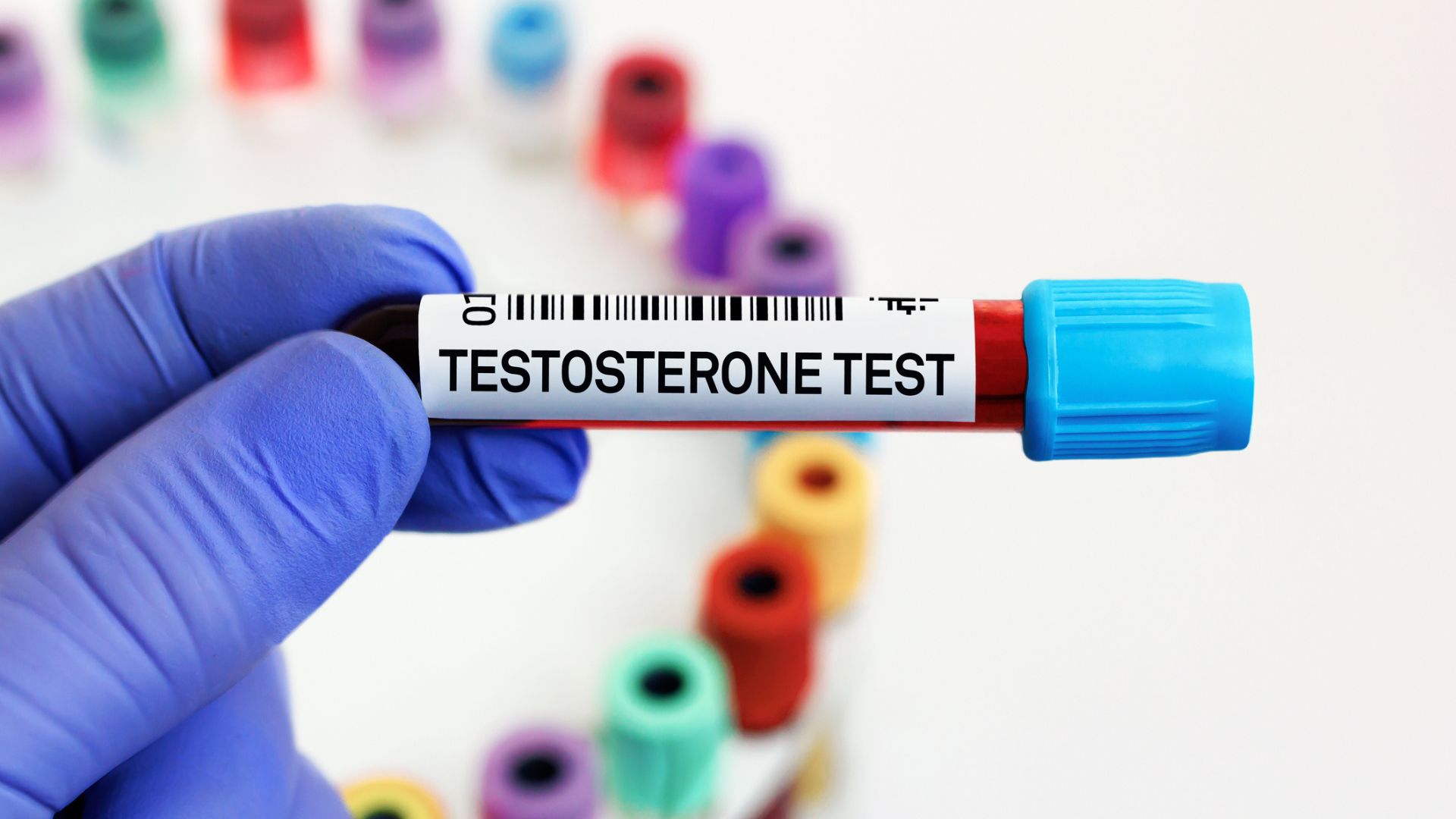
Irritable Male Syndrome: Experts Link Aging, Hormonal Decline to Behavioral Shifts
Irritable Male Syndrome (IMS) is a recognized term in medical and psychological circles describing a cluster of symptoms associated with age-related testosterone decline in men. While not a formal clinical diagnosis, experts describe it as a useful shorthand for the physical and emotional changes that occur as testosterone levels drop, typically beginning around age 40. Symptoms include irritability, fatigue, cognitive difficulties, reduced libido, and changes in body composition. The condition was coined in 2001 by Scottish scientist Dr. Gerald Lincoln after observing similar behavioral changes in male animals with declining testosterone. Although often dismissed as mere aging or stress, IMS is linked to biochemical shifts that can significantly impact mental health and relationships. Experts emphasize that early recognition and medical evaluation, including blood tests for testosterone levels, are crucial for managing symptoms through lifestyle adjustments or therapy. The issue is particularly significant given that midlife men represent the highest suicide cohort, with rates nearly five times higher than women of all ages.