
N.I.H. Launches Coordinated Push to Accelerate Personalized Cancer Vaccines
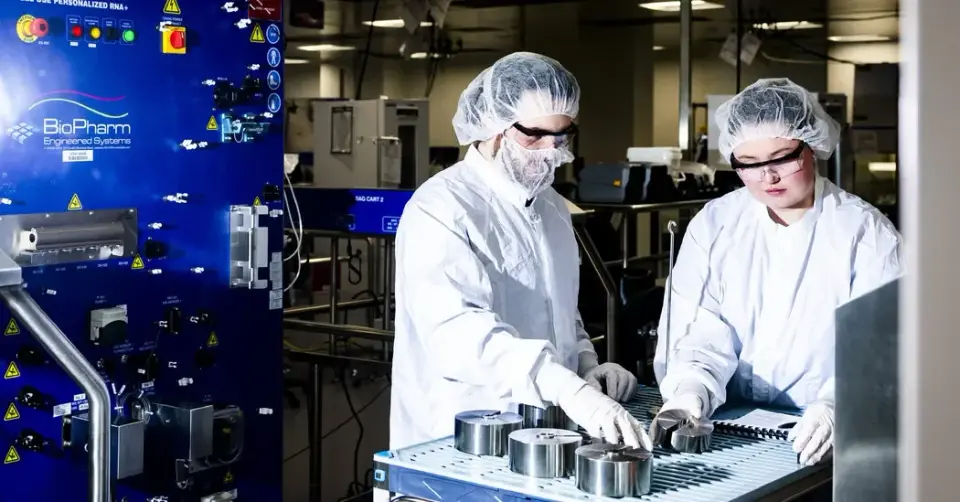
The National Cancer Institute (N.C.I.) is initiating a major public-private partnership in December to fast-track the development of personalized cancer vaccines. Led by N.C.I. Director Dr. Anthony Letai, the initiative aims to replicate the speed of the Covid-19 vaccine rollout by coordinating efforts between the N.I.H., the Foundation for the N.I.H., biotech firms, and patient advocacy groups. The program will initially focus on pancreatic, liver, and colorectal cancers, as well as pediatric tumors, with the goal of reducing the timeline for FDA approval from 15 years to 7-10 years.
Key points
- The initiative is a multi-stakeholder collaboration involving the N.I.H., the Foundation for the N.I.H., pharmaceutical companies, and philanthropies to standardize and accelerate vaccine testing.
- Phase 1 of the program, expected to last three years, will focus on small studies to determine the most effective technical approaches for mRNA-based vaccines.
- Phase 2 will involve larger national clinical trials over four years, with the ultimate goal of making personalized vaccines accessible in doctor's offices within 7 to 10 years.
- The strategy is inspired by the rapid development of the Covid-19 vaccine, though the timeline for cancer treatments will be significantly longer due to the complexity of personalized medicine.
- The initiative follows promising but mixed early results, including a successful melanoma trial by Merck and Moderna and a failed colorectal vaccine trial by a German drugmaker.
Background
This move follows a decade of theoretical progress in immunotherapy, where mRNA technology was previously marginalized but has recently regained prominence. The N.C.I. aims to overcome the historical fragmentation of cancer research, which often led to isolated studies that failed to translate into broad clinical applications. By centralizing resources, the agency hopes to prevent the 'valley of death' that often halts promising treatments after initial success.
How outlets are covering it
The New York Times emphasizes the optimistic 'big bet' nature of the initiative, highlighting the enthusiasm of leaders like Dr. Anthony Letai and Stacey Adam of the Foundation for the N.I.H. They view the current moment as a critical juncture where technology and science align. In contrast, STAT highlights a more cautious perspective, noting that while the melanoma vaccine showed success, a German drugmaker recently halted a colorectal vaccine trial due to poor results. This suggests that while the potential is high, the efficacy of these vaccines may vary significantly by cancer type, requiring more creative approaches for certain tumors.
Why it matters
This initiative represents a shift from fragmented, slow-paced research to a coordinated national effort, potentially saving thousands of lives by accelerating the availability of treatments for currently incurable cancers. It also signals a renewed federal commitment to mRNA technology, which had faced political headwinds in the previous administration, and could set a precedent for how the U.S. handles future medical breakthroughs.
What to watch
The program is scheduled to begin in December 2026. Merck and Moderna plan to release the full data set from their melanoma trial later this month, which will provide a crucial benchmark for the new initiative. The first phase of the N.I.H. partnership will focus on identifying the most effective technical approaches for vaccines over the next three years.
Want the full story? Read the original reporting
Read on The New York Times