Tag

Personalized Medicine

All articles tagged with #personalized medicine

Smartwatch data plus routine labs power scalable insulin-resistance screening
healthcare25 days ago

Smartwatch data plus routine labs power scalable insulin-resistance screening

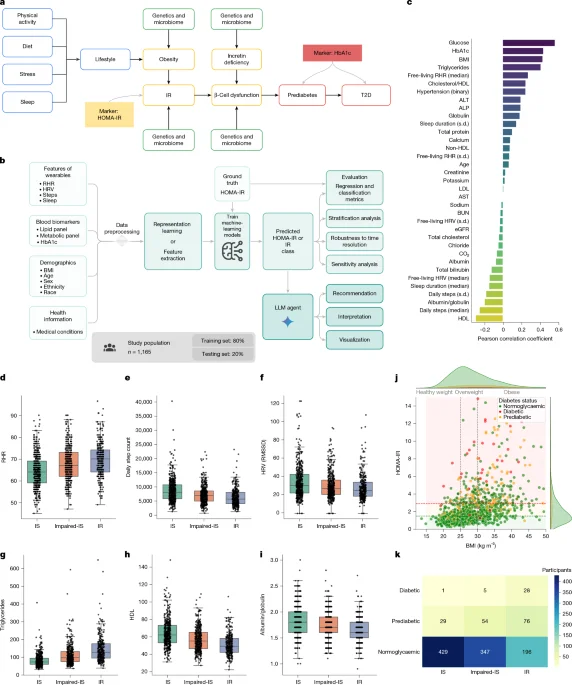
The WEAR-ME study (n=1,165) shows that combining wearable time-series data with demographics and routine blood biomarkers can predict insulin resistance (HOMA-IR ≥2.9) with AUROC around 0.80. Using a wearable foundation model to derive richer representations further improves performance, achieving AUROC ~0.82 in cross-validation, and up to ~0.88 when fasting glucose and a lipid/metabolic panel are included. An independent validation cohort confirms gains with wearable data, and an LLM-based insulin-resistance literacy agent is demonstrated to contextualize results and provide personalized guidance. The work proposes a scalable, noninvasive screening approach to identify at-risk individuals for early lifestyle interventions to prevent type 2 diabetes, while noting limitations in data missingness, generalizability, and the need for longitudinal validation.

Your body’s digital twin could guide highly personalized surgery
health1 month ago

Your body’s digital twin could guide highly personalized surgery

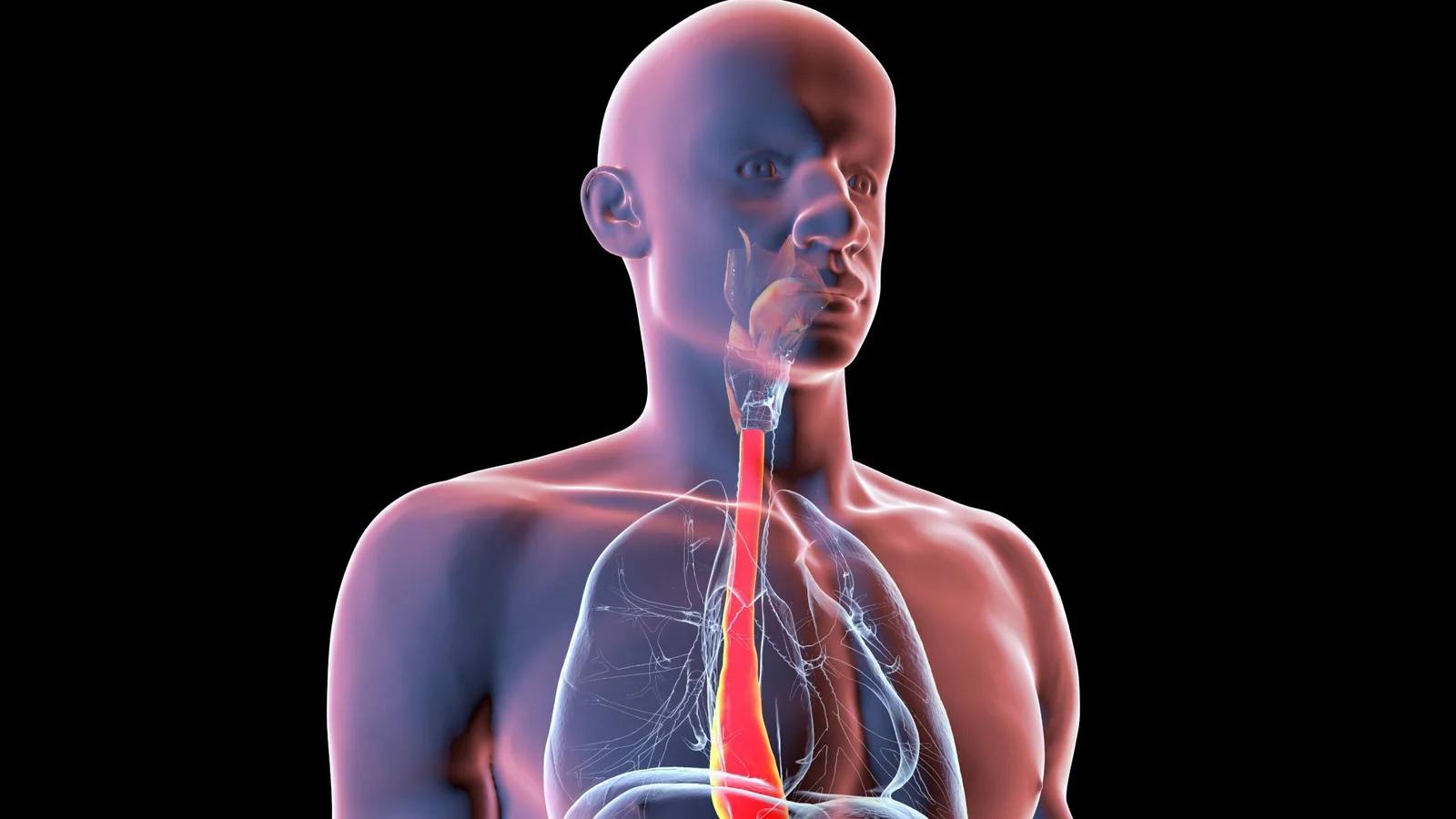
Live Science interviews Dr. John Pandolfino about a 400‑person clinical trial using a mechanically accurate digital twin of the esophagus to predict the best myotomy approach for achalasia and reduce complications like diverticulum. The virtual model guides surgical decisions, could lessen or replace some animal testing, and may eventually be extended to other organs such as the heart and bladder, though a fully comprehensive, molecular‑level digital twin remains a longer‑term goal.

UCSD launches survival epidemiology to study life after diagnosis
science1 month ago

UCSD launches survival epidemiology to study life after diagnosis

A UC San Diego professor introduces 'survival epidemiology,' a field focused on identifying factors that help people live longer after a disease diagnosis rather than just preventing disease, using large electronic health records to tailor treatments and improve outcomes. The approach ties to Cuomo's broader work, including the Nutritional Epidemiology Risk-Survival Paradox, which suggests some factors linked to higher disease risk may enhance survival after diagnosis.

First-Ever Personalized CRISPR Therapy Helps Infant With CPS1 Deficiency Thrive
science2 months ago

First-Ever Personalized CRISPR Therapy Helps Infant With CPS1 Deficiency Thrive

Researchers at Children’s Hospital of Philadelphia and the University of Pennsylvania developed a bespoke base-editing CRISPR therapy delivered to the liver to fix a CPS1 gene variant in a newborn with a rare metabolic disorder. After a first infusion in early 2025 and subsequent doses, the child has tolerated treatment with no adverse effects, has been able to halt medications and gradually reintroduce protein, and is thriving per a New England Journal of Medicine report; the approach is experimental and not FDA-approved, but signals a path toward patient-specific gene therapies that could be scalable to individual needs.

Personalized Melanoma Vaccine Shows Strong, Lasting Benefit with Immunotherapy
health2 months ago

Personalized Melanoma Vaccine Shows Strong, Lasting Benefit with Immunotherapy

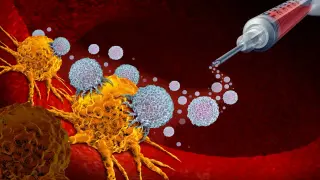
Moderna and Merck report promising results for a patient-tailored mRNA cancer vaccine paired with Keytruda in high-risk melanoma. The vaccine, designed from a patient’s tumor mutations (neoantigens), reduced recurrence or death by 49% versus immunotherapy alone and demonstrated durable immune memory over five years, signaling a potential breakthrough for personalized cancer vaccines and future skin-cancer prevention.

Personalized mRNA melanoma vaccine trims five-year recurrence risk by almost 50%, Moderna and Merck report
health2 months ago

Personalized mRNA melanoma vaccine trims five-year recurrence risk by almost 50%, Moderna and Merck report

In a Phase 2 trial of 157 high‑risk stage 3/4 melanoma patients, Moderna and Merck’s personalized mRNA vaccine (mRNA-4157) plus Keytruda reduced recurrence or death at five years by about 49% versus Keytruda alone. Earlier two- and three-year data showed similar risk reductions (44% and 49%). Safety was similar between groups, with fatigue, injection-site pain, and chills most common. Full data aren’t yet published; a Phase 3 trial is underway and more data from this program are expected.