
Dr. Anthony Robbins, Pioneer of Vermont’s Food and Health Programs, Dies at 85
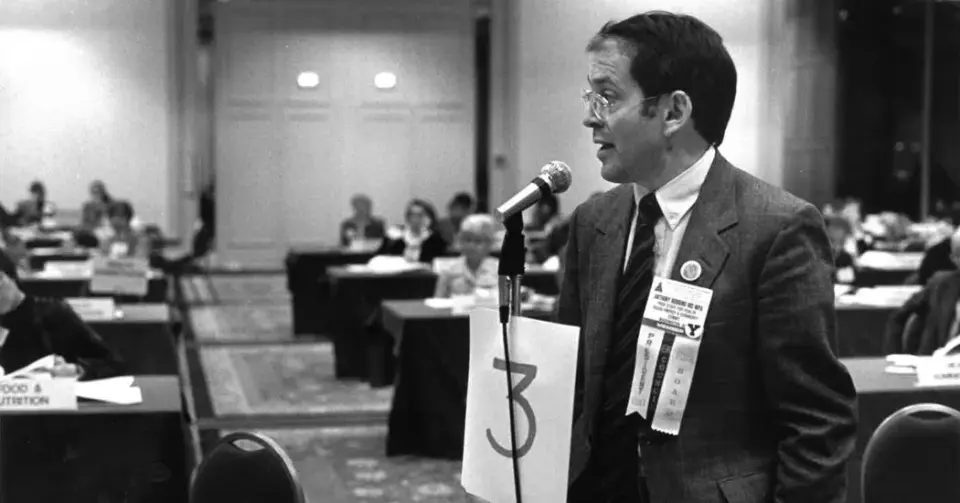
Dr. Anthony Robbins, a key figure in expanding healthcare for low-income Americans, has died at age 85. He served as Vermont’s health commissioner and helped launch the nation’s first statewide supplemental food program in 1974. Later, he directed the first national vaccine program. His career spanned six decades, including roles as a physician, professor, and policy expert.
Key points
- Dr. Anthony Robbins died at the age of 85, ending a career that included service as Vermont’s health commissioner.
- In 1974, Robbins helped establish the first statewide supplemental food program in the U.S., which provided groceries to low-income women, infants, and children.
- The program was designed to reduce the stigma of public assistance by delivering food via milk trucks, making it indistinguishable from deliveries to wealthier families.
- Robbins later directed the first national vaccine program, furthering his work in public health infrastructure.
- His career spanned approximately 60 years, during which he served as a physician, professor, editor, and health policy expert.
Background
This obituary highlights the historical development of social safety nets in the United States. While recent news has focused on modern healthcare crises, such as the death of a detainee in ICE custody or the loss of wildlife icons like the bald eagle Jackie, Robbins’s work represents an earlier era of proactive public health policy. His efforts in the 1970s laid groundwork for programs that continue to support vulnerable populations today, contrasting with contemporary debates over immigration detention conditions and rare disease treatments.
Why it matters
Robbins’s contributions demonstrate the long-term impact of policy innovations in public health. By creating models for food security and vaccination that prioritized dignity and accessibility, he influenced how governments approach social welfare. His legacy underscores the importance of systemic support for low-income families, a topic that remains relevant in current discussions about healthcare access and social equity.
What to watch
There are no immediate next steps reported, as this is an obituary. However, the programs he helped establish, such as the supplemental food initiative, likely continue to operate or have evolved into current federal and state assistance structures. His work may be cited in ongoing policy discussions regarding healthcare access and public health infrastructure.
Want the full story? Read the original reporting
Read on The New York Times