Vermont Hospital Unions Authorize Strike Amid Staffing and Wage Disputes
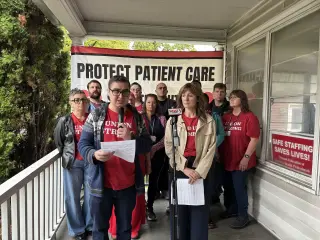
Unionized support and technical staff at UVM Medical Center have authorized a strike after 82% of voters approved the action. The unions, representing 3,300 workers, seek better staffing protections and faster wage increases, while the hospital cites financial losses and proposes a three-year contract. No strike has been called yet, as both sides attempt to reach a final agreement.