
German Smart Toilet Seat Matches Hospital EKG Accuracy for Detecting Atrial Fibrillation
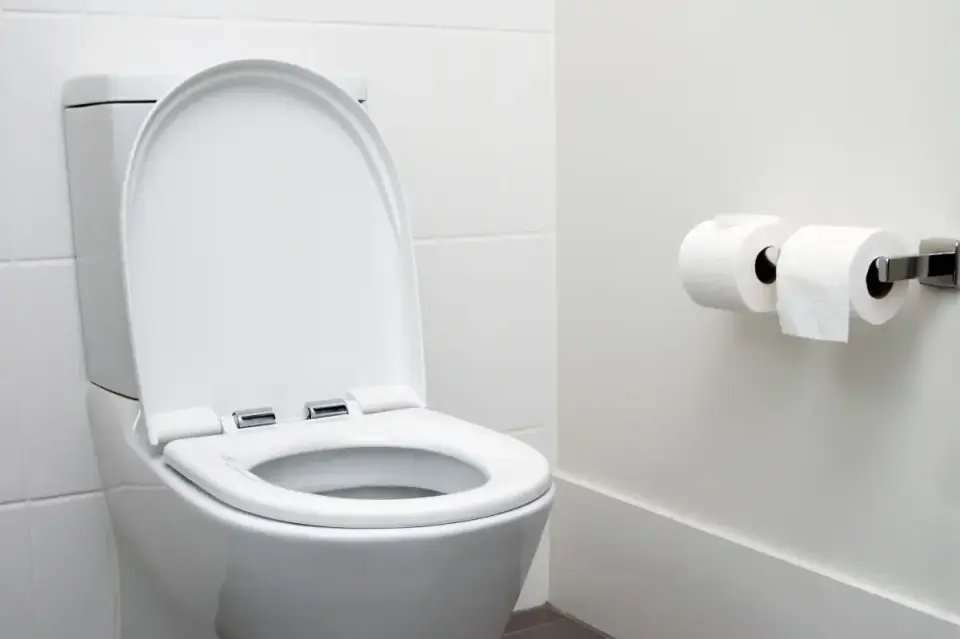
A German medical technology company has developed a smart toilet seat that can detect atrial fibrillation with accuracy comparable to standard hospital EKG tests. The device uses a 6-lead EKG system to analyze heart rhythm data while users sit for 30 seconds, sending results to a smartphone app. This technology aims to improve early detection of a common heart rhythm disorder that often goes unnoticed due to lack of symptoms.
Key points
- Hamberger Medical developed the HARO EKG-seat, a smart toilet seat integrated with EKG sensors similar to those used in medical offices.
- The Hamberger Heart Study found a high level of agreement between the toilet seat's 6-lead EKG system and the standard 12-lead medical EKG.
- Users simply sit on the toilet for about 30 seconds while a smartphone app records and analyzes the EKG data for signs of cardiac arrhythmia.
- Atrial fibrillation affects an estimated 12.1 million American adults by 2030, with around one-third of patients experiencing no symptoms.
- Early detection of atrial fibrillation is critical because untreated cases can lead to severe strokes, which account for about 1 in 7 strokes.
Background
This development follows a broader trend in wearable and ambient health monitoring technologies. In June 2026, researchers at the University of Chicago and Argonne National Laboratory introduced a skin-like AI patch capable of mapping heart rhythms with 99.6% accuracy and predicting heart-attack risk, highlighting the growing focus on non-invasive, continuous cardiac monitoring solutions.
Why it matters
Atrial fibrillation is a common heart rhythm disorder that often goes undetected because many patients experience no symptoms. Early detection is crucial for improving patient outcomes and preventing severe complications like strokes. The smart toilet seat offers a simple, accessible method for routine cardiac screening, potentially enabling earlier intervention and better management of the condition.
What to watch
The full study results are yet to undergo independent peer review. If validated, the technology could be integrated into home health monitoring systems, allowing for regular, non-invasive cardiac screening. This could lead to earlier detection of atrial fibrillation and other cardiac arrhythmias, improving patient outcomes and reducing the risk of severe complications.
Want the full story? Read the original reporting
Read on New York Post