
Boredom, Not Just Stress, Drives Hair-Pulling Urges in New Study
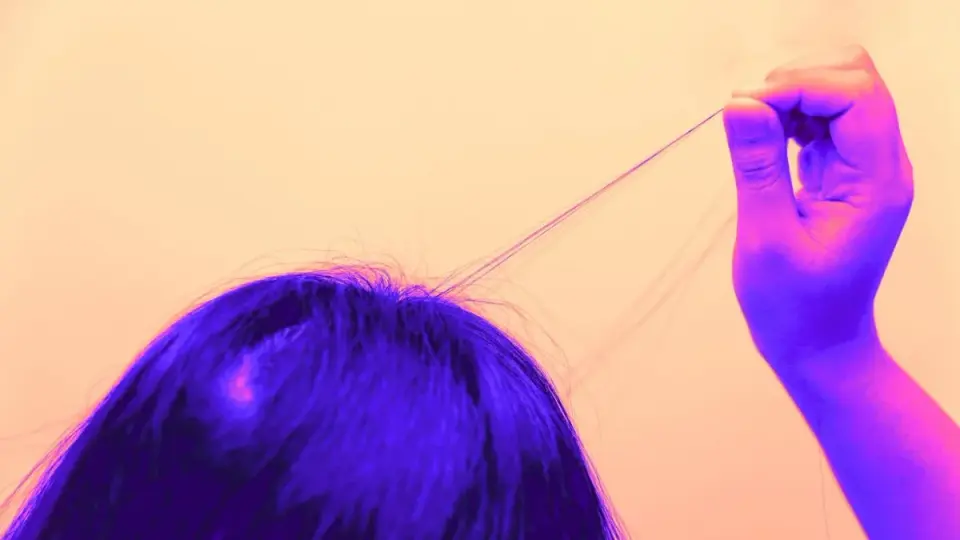
A 10-day study of 61 adults with trichotillomania found that boredom and tiredness, rather than just negative emotions, strongly predict hair-pulling episodes, suggesting the behavior may serve to regulate internal stimulation levels.
Key points
- Researchers at Heidelberg University Hospital used real-time prompts to track urges and actions, yielding 2,557 assessments and 702 pulling episodes.
- Strong urges were the most reliable predictor of hair pulling, more so than specific emotional states.
- Boredom and tiredness were uniquely linked to both the intensity of urges and the likelihood of subsequent pulling.
- The findings challenge the dominant view that hair pulling is primarily a response to emotional distress, pointing instead to under-arousal as a key factor.
Background
Trichotillomania, a body-focused repetitive behavior affecting 1-2% of the US population, has been documented since 410 BCE. While often comorbid with anxiety or depression, previous research on its triggers has yielded inconsistent results, particularly regarding the role of emotional regulation.
Why it matters
Understanding that boredom and low stimulation can trigger hair pulling may lead to more effective treatments that address under-arousal, rather than focusing exclusively on managing negative emotions or stress.
What to watch
Researchers emphasize the need for larger, more diverse studies to validate these findings and explore potential subtypes of trichotillomania, as the current sample was small and predominantly female.
Want the full story? Read the original reporting
Read on ScienceAlert