
US Cancer Survival Rates Reach 71% as New Report Highlights Decades of Progress
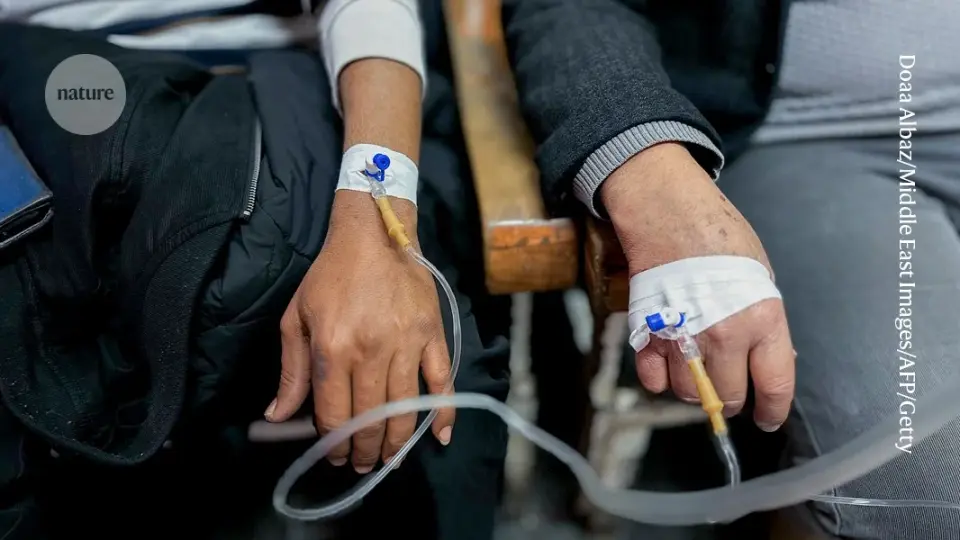
A new report from the American Association for Cancer Research indicates that the five-year survival rate for cancer patients in the United States has risen to 71%, up from 49% in the late 1970s. Significant improvements have been seen in lung, liver, and childhood leukemia treatments, driven by advancements in surgery, immunotherapy, and refined dosing protocols. While progress is substantial, survival rates for certain malignancies remain low, highlighting ongoing challenges in oncology.
Key points
- The five-year survival rate for cancer in the US has increased from 49% in the late 1970s to 71% today, according to the American Association for Cancer Research.
- Lung cancer survival has improved from 13% in the late 1970s to 29% between 2016 and 2022, aided by better surgical techniques, radiation, and targeted therapies.
- Childhood lymphoid leukemia survival has risen from 57% to 90% through optimized dosing and timing of existing treatments rather than new drug discoveries.
- Liver cancer five-year survival has tripled to 22% since the mid-1990s, while multiple myeloma outcomes have improved due to immune-harnessing drugs.
- Despite these gains, some cancers remain difficult to treat, and global trends generally mirror the positive US statistics.
Background
Recent coverage has highlighted the impact of modifiable risk factors on cancer outcomes. A September 2026 analysis noted that alcohol-attributable cancer deaths in the US have more than doubled since 1990, affecting various cancer types beyond liver cancer. Additionally, individual cases have underscored the importance of early detection and symptom recognition, as delayed diagnoses can lead to advanced stages even in young, healthy individuals. These factors contrast with the broad survival improvements reported in the latest AACR data.
Why it matters
The data underscores the effectiveness of medical advancements in reducing cancer mortality, offering hope for patients and informing public health strategies. However, the persistent gap in survival rates for certain cancers highlights the need for continued research and equitable access to treatments. Understanding these trends helps policymakers and healthcare providers prioritize resources and interventions to address remaining disparities in cancer outcomes.
What to watch
Researchers and public health officials will likely focus on closing the gap for recalcitrant malignancies that have seen less improvement. Continued investment in immunotherapy, targeted therapies, and early detection methods is expected to drive further gains. Additionally, efforts to address modifiable risk factors, such as alcohol consumption, may play a crucial role in reducing new cancer cases and improving overall survival rates.
Want the full story? Read the original reporting
Read on Nature