
Gut Bacteria Identified as Natural Cholesterol Regulators in Heart Disease Research
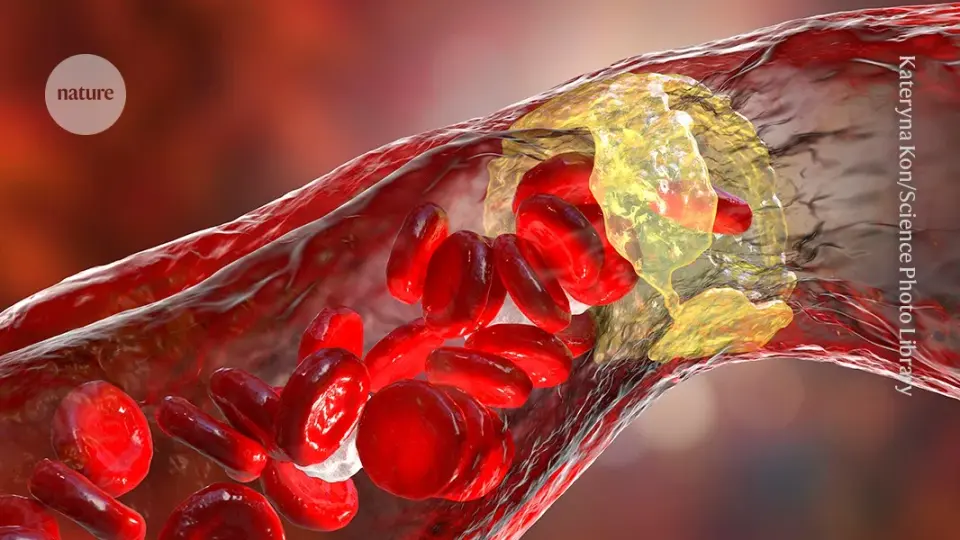
A study published in Nature reveals that the common gut bacterium Bacteroides uniformis produces pentadecanoic acid, a molecule that reduces arterial plaque and cholesterol in mice by targeting the same enzyme as statin drugs. While human data shows a correlation between low levels of this molecule and heart disease, researchers emphasize that clinical applications remain distant. Concurrently, a separate Stanford study links Bifidobacterium abundance to recovery in chronic heart failure, suggesting broader microbiome roles in cardiac health.
Key points
- Bacteroides uniformis secretes pentadecanoic acid, which reduced arterial plaque by 50% in mice with atherosclerosis.
- The molecule inhibits HMG-CoA reductase, the same liver enzyme targeted by statin medications, thereby lowering LDL cholesterol.
- Human analysis of over 200 donors found that individuals with high cholesterol had lower levels of pentadecanoic acid and fewer bacterial genes for its production.
- A separate Stanford study found that higher Bifidobacterium abundance correlates with improved heart failure outcomes and lower disease severity.
- Researchers caution that these findings are based on animal models and observational human data, not yet proven as therapeutic interventions.
Background
Recent research has increasingly linked gut microbiome composition to cardiovascular health. In August 2026, studies showed that gut microbes convert vegetable nitrates into heart-protecting molecules that improve vascular function. Additionally, earlier coverage highlighted that while statins are effective, nearly half of patients with advanced heart disease do not achieve sufficient cholesterol reduction, and some cannot tolerate high doses. This new research explores whether microbial metabolites could offer alternative or complementary mechanisms for managing atherosclerosis and heart failure.
How outlets are covering it
Nature and The Times of India focus on the specific mechanism of Bacteroides uniformis and pentadecanoic acid, highlighting the potential for microbiome-based therapies to complement statins. They emphasize the dramatic plaque reduction in mice but stress the lack of human trial evidence. Bioengineer.org shifts the focus to Bifidobacterium and indole-3-propionic acid in the context of chronic heart failure recovery, noting that while Bifidobacterium is associated with better outcomes, causality is not yet established. The outlets differ in their primary bacterial focus (Bacteroides vs. Bifidobacterium) and the specific cardiac conditions addressed (atherosclerosis vs. heart failure), but all agree that the microbiome plays a significant, though not yet fully understood, role in cardiovascular protection.
Why it matters
Atherosclerosis remains the leading cause of global death, and current treatments like statins have limitations in efficacy and tolerability. Identifying specific gut microbes and their metabolites that naturally regulate cholesterol could lead to new therapeutic strategies, such as targeted probiotics or dietary interventions, to prevent or treat heart disease. Understanding the causal link between microbiome composition and vascular health may also improve diagnostic tools and personalized medicine approaches for cardiovascular patients.
What to watch
Researchers will need to conduct clinical trials to determine if supplementing with Bacteroides uniformis or pentadecanoic acid can safely and effectively lower cholesterol in humans. Further studies are required to establish whether Bifidobacterium supplementation can improve heart failure outcomes. Additionally, more diverse human cohorts are needed to validate the findings from the current studies, which were limited in demographic representation and relied heavily on observational data.
- Revealed: how this common gut microbe protects against heart disease Nature
- A gut microbial odd-chain fatty acid alleviates atherosclerosis in mice Nature
- A Gut Feeling About Heart Failure: New Clues to the Gut-Heart Connection Stanford Medicine
- Forget the pill, common gut microbe produces molecule that cuts cholesterol and betters heart health: What the new study found The Times of India
- Gut Microbe Bifidobacterium Emerges as a Marker of Heart Failure Recovery Bioengineer.org
Want the full story? Read the original reporting
Read on Nature