
WHO Sets Strict Limits on GLP-1 Drugs for Children Under 10
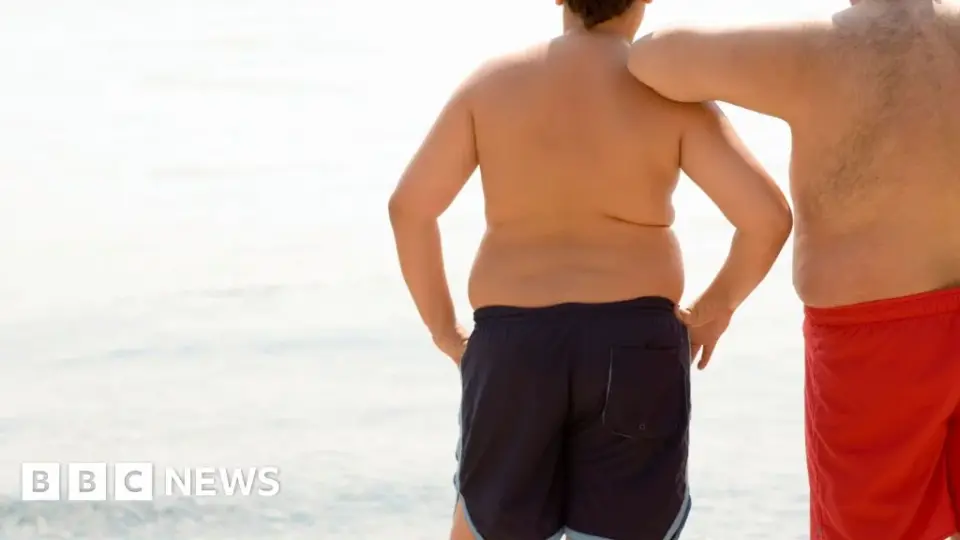
The World Health Organization released its first global guidelines for managing childhood obesity, explicitly advising against the use of GLP-1 weight-loss medications, bariatric surgery, or weight-management devices for children under 10. For adolescents aged 10 to 19, medical interventions are permitted only after supervised lifestyle programs fail. The guidelines emphasize healthy eating, physical activity, and digital tools as primary strategies, citing a quadrupling of obesity rates in this age group since 1990.
Key points
- WHO recommends against pharmacological treatment, surgery, or weight-loss devices for children aged 0 to 9.
- For ages 10 to 19, medication is considered only if supervised lifestyle interventions fail.
- Global obesity prevalence in children aged 5 to 19 quadrupled from 2% to 8% since 1990.
- 170 million children and adolescents worldwide are currently living with obesity.
- Digital tools like activity trackers may support behavior change, though evidence is limited.
Background
Recent studies have raised concerns about the mental health impacts of obesity medications in adults, while experimental compounds like TOFA are being tested for alternative weight-loss mechanisms. The new WHO guidelines arrive as GLP-1 prescriptions for young children have surged in the United States, prompting debates about long-term safety and efficacy in pediatric populations.
How outlets are covering it
BBC highlights the strict prohibition on drugs for under-10s and the focus on lifestyle changes. CBC notes that Canadian guidelines differ, recommending GLP-1s for ages 12 and up without requiring prior lifestyle failure, and emphasizes the need for public funding. STAT confirms the WHO’s stance but notes the lack of long-term evidence for pediatric drug use. All sources agree on the rising obesity crisis but differ on the threshold for medical intervention.
Why it matters
These guidelines establish a global standard for pediatric obesity care, potentially influencing national policies and insurance coverage. They aim to prevent premature medicalization of childhood obesity while addressing a rapidly growing public health crisis that increases the risk of type 2 diabetes and other chronic diseases.
What to watch
Drug companies like Novo Nordisk and Eli Lilly are testing GLP-1s in children as young as six. WHO will continue to evaluate emerging evidence, and national pediatric associations may issue their own recommendations. Long-term follow-up studies are critical to determine the safety and efficacy of these medications in youth.
- New global guidelines warn against obesity drugs for children under 10 BBC
- Should kids living with obesity be on GLP-1s? New global guidance says yes — in some cases CBC
- WHO endorses lifestyle changes over GLP-1 drugs in child obesity fight Reuters
- Pharmalittle: We're reading about WHO obesity guidelines for kids, DOJ targeting pharma, and more STAT
- WHO Says Obesity Drugs Shouldn’t Be Used for Young Children Bloomberg.com
Want the full story? Read the original reporting
Read on BBC