
Winter Darkness and Clock Changes Drive Surge in Seasonal Depression Concerns
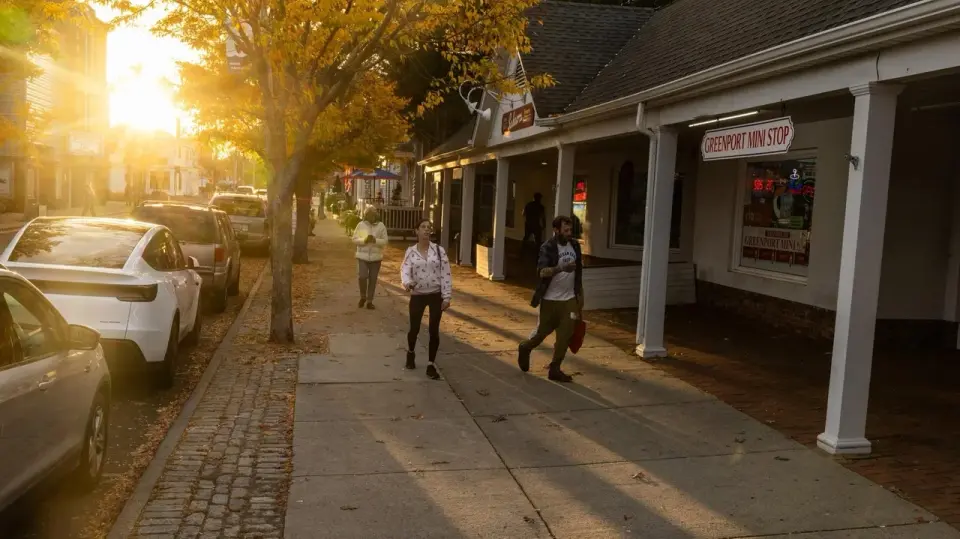
As daylight shrinks and clocks revert to standard time, millions face Seasonal Affective Disorder (SAD), a recurring depression linked to reduced sunlight. Experts note that while the condition affects roughly 5% of Americans, rates are higher in northern regions. Symptoms include low energy, sleep changes, and hopelessness. Treatments include 10,000-lux light therapy, cognitive behavioral therapy, and increased social interaction. The recent time change is cited as a specific trigger for mood shifts due to earlier sunsets.
Key points
- SAD is diagnosed when depression occurs seasonally for two consecutive years, typically easing in spring.
- The condition affects about 5% of Americans, with higher rates in northern states like New Hampshire (10%) compared to Florida (1%).
- The recent shift to standard time is a key trigger, as earlier sunsets disrupt circadian rhythms and serotonin levels.
- Light therapy devices, costing between $50 and $400, are recommended for 30-minute morning sessions to mimic natural sunlight.
- Cognitive behavioral therapy (CBT) is noted for having more durable effects than light therapy alone, helping patients maintain engagement.
- Symptoms include low energy, carbohydrate cravings, sleep disturbances, and social isolation, often lasting four to five months.
Background
Our archive from November 2026 noted that SAD affects approximately 1 in 20 people in the U.S. and is linked to melatonin and serotonin changes. Earlier coverage highlighted that military personnel in Alaska face compounded risks due to deployment cycles disrupting circadian rhythms. The condition was first described by Dr. Norman Rosenthal in 1984.
How outlets are covering it
Newsday emphasizes the biological impact of reduced sunlight on serotonin and sleep cycles, citing experts from Stony Brook Medicine and Northwell Health. AP News highlights the role of blue light sensitivity, noting that people with SAD are less sensitive to blue light in winter, and stresses the importance of durable treatments like CBT. KTOO focuses on the geographic vulnerability of northern regions like Juneau, Alaska, where the sun angle and lack of vitamin D exacerbate symptoms. The Weather Channel links the recent time change directly to mood shifts, advising routine adjustments like earlier outdoor activity to combat the 'perfect storm' of shorter days and colder temperatures. All sources agree on the efficacy of light therapy but differ in emphasis: Newsday and AP focus on clinical treatments, while KTOO and The Weather Channel prioritize lifestyle and environmental adjustments.
Why it matters
Understanding SAD is crucial as millions face potential mood disruptions during winter. Early recognition and proactive strategies, such as light therapy and social engagement, can prevent the condition from becoming debilitating. The recent time change serves as a timely reminder to monitor mental health and adjust routines to maintain well-being during darker months.
What to watch
Health experts recommend monitoring symptoms for more than two weeks and seeking professional help if they persist. Consumers are advised to select light therapy devices that emit 10,000 lux and to check insurance coverage for these treatments. Continued research into blue light sensitivity and circadian rhythms may lead to more targeted interventions in the future.
- Coping with SAD, the seasonal disorder that can bring on months of depression Newsday
- Shorter days and dark afternoons can trigger depression. Here’s how to fight back AP News
- What can Juneauites do to prevent seasonal affective disorder as winter arrives? KTOO
- The recent time change may trigger seasonal depression The Weather Channel
- When Your Sad Turns Into SAD, These Tips Can Help Newser
Want the full story? Read the original reporting
Read on Newsday