Tag

Light Therapy

All articles tagged with #light therapy

Experts urge proactive strategies to combat seasonal affective disorder as winter approaches
health6 days ago

Experts urge proactive strategies to combat seasonal affective disorder as winter approaches

Seasonal Affective Disorder (SAD) affects millions as daylight decreases, causing mood and energy drops. Experts recommend light therapy, consistent routines, exercise, and social connection to manage symptoms. While some view winter mood shifts as normal, medical professionals emphasize that SAD is a treatable condition requiring attention, especially for high-risk groups like young adults and those with depression histories.


Winter light shifts drive seasonal depression, prompting new treatment guidance
health12 days ago

Winter light shifts drive seasonal depression, prompting new treatment guidance

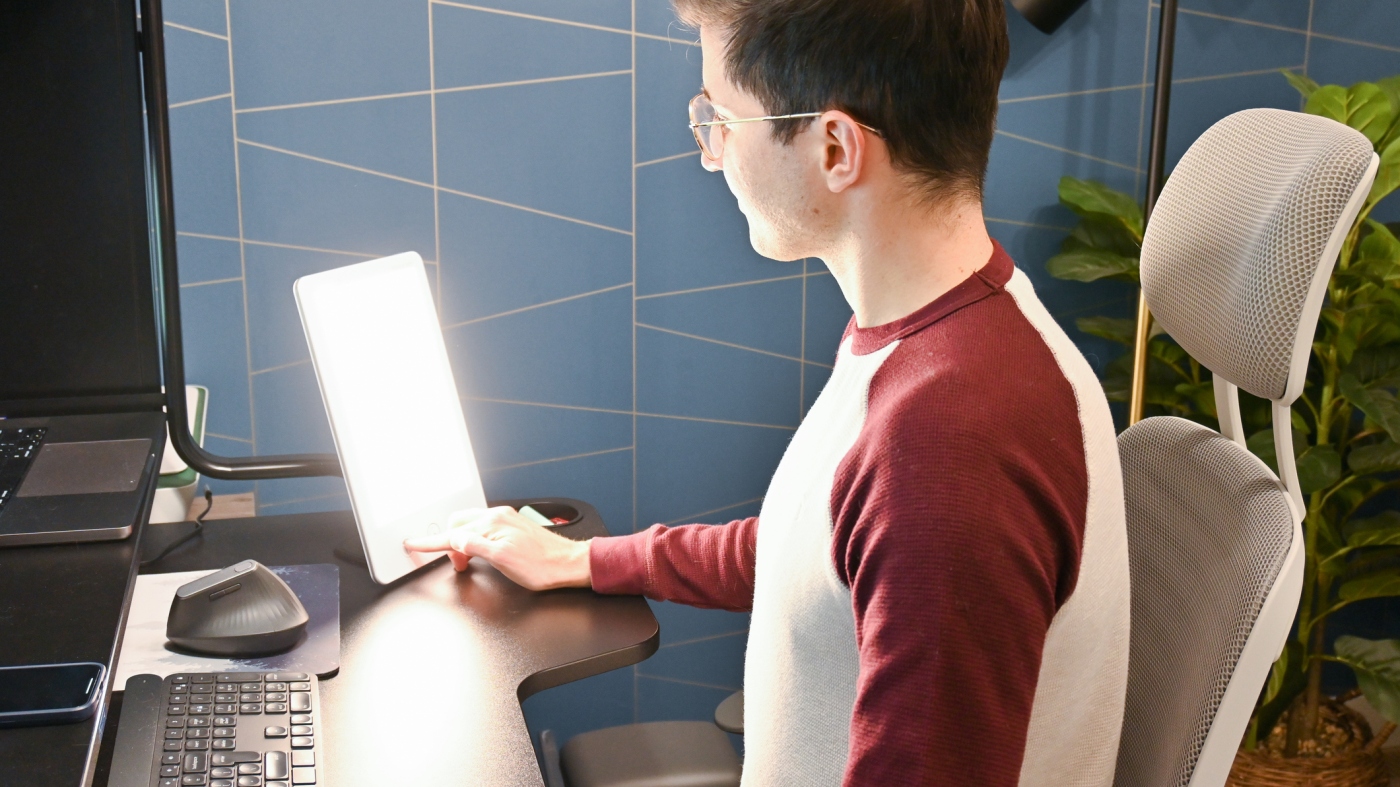
As daylight shrinks, millions face seasonal affective disorder (SAD), a recurring depression linked to reduced sunlight. Experts attribute mood shifts to changes in melatonin and serotonin levels caused by lower sun angles. Treatments include 10,000-lux light therapy, cognitive behavioral therapy, and consistent sleep schedules.

Winter Darkness and Clock Changes Drive Surge in Seasonal Depression Concerns
health17 days ago

Winter Darkness and Clock Changes Drive Surge in Seasonal Depression Concerns

As daylight shrinks and clocks revert to standard time, millions face Seasonal Affective Disorder (SAD), a recurring depression linked to reduced sunlight. Experts note that while the condition affects roughly 5% of Americans, rates are higher in northern regions. Symptoms include low energy, sleep changes, and hopelessness. Treatments include 10,000-lux light therapy, cognitive behavioral therapy, and increased social interaction. The recent time change is cited as a specific trigger for mood shifts due to earlier sunsets.

Winter Darkness Triggers Biological Shifts Driving Seasonal Depression
health19 days ago

Winter Darkness Triggers Biological Shifts Driving Seasonal Depression

As daylight shrinks, millions face Seasonal Affective Disorder (SAD), a recurring depression linked to reduced sunlight. While the condition affects roughly 1 in 20 Americans, rates are higher in northern regions like Alaska. Experts attribute the mood shifts to changes in melatonin and serotonin levels caused by lower sun angles. Treatments include 10,000-lux light therapy, cognitive behavioral therapy, and consistent sleep schedules. Military personnel in Alaska face compounded risks due to deployment cycles disrupting circadian rhythms, leading to increased suicide rates.

Seasonal Affective Disorder: Recognizing Symptoms and Managing Winter Blues
health23 days ago

Seasonal Affective Disorder: Recognizing Symptoms and Managing Winter Blues

Seasonal Affective Disorder (SAD) affects approximately 1 in 20 people in the United States, typically lasting about 40% of the year. First described by psychiatrist Dr. Norman Rosenthal in 1984, the condition involves recurring depression, lethargy, and weight gain during darker months. While many experience mild 'winter blues,' those with SAD often face debilitating symptoms that require specific interventions. Key management strategies include light therapy, consistent eating schedules, physical activity, and stress reduction to help regulate circadian rhythms and improve mood.

Blue-light–depleted evenings in psychiatric wards may improve mood and curb aggression
health8 months ago

Blue-light–depleted evenings in psychiatric wards may improve mood and curb aggression

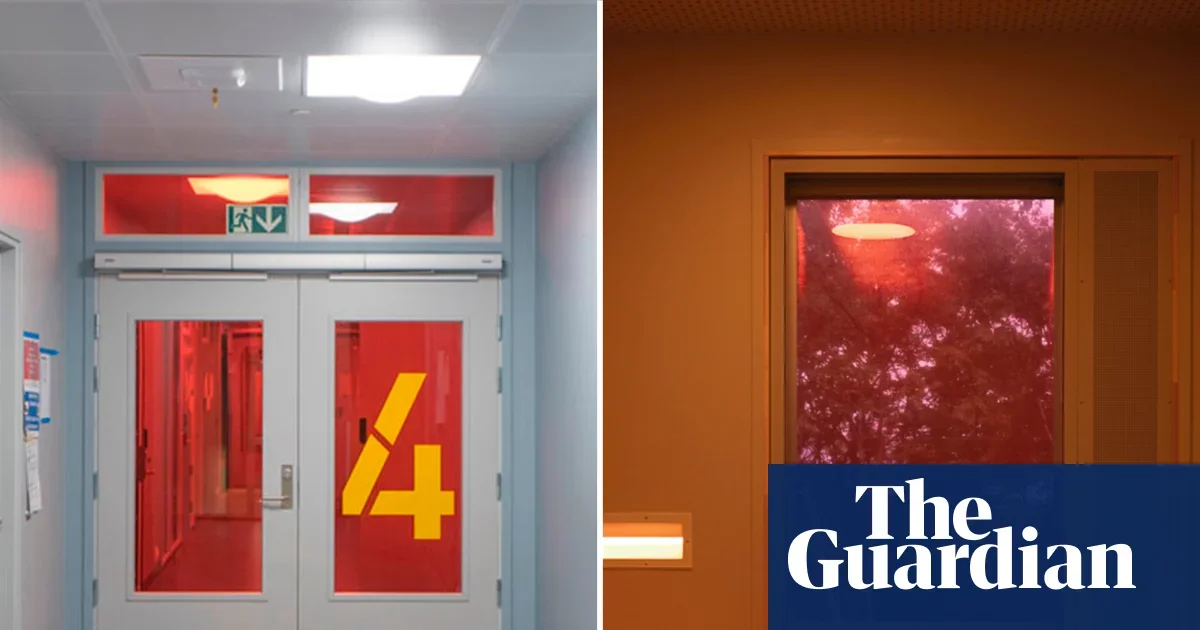
Two identical psychiatric wards in Trondheim were split into blue-light–depleted evenings vs. standard lighting; patients in the circadian-adapted ward showed greater symptom improvement and less aggression, though length of stay was similar, suggesting lighting design could be a scalable, drug-free way to support mood and behavior in mental health care with potential wider use in dementia care.

Expert Tips to Combat Seasonal Affective Disorder During Winter
health1 year ago

Expert Tips to Combat Seasonal Affective Disorder During Winter

In NYC, seasonal affective disorder (SAD) can be challenging due to reduced sunlight and colder weather, especially with urban factors like tall buildings and busy schedules. Experts recommend seeking professional help, using light therapy, getting outside, and maintaining social connections to manage symptoms. Resources like crisis lines, free therapy programs for teens, and low-cost clinics are available to support those affected.

Shedding Light on Seasonal Affective Disorder and Mental Health Tips for Winter
health1 year ago

Shedding Light on Seasonal Affective Disorder and Mental Health Tips for Winter

Scientists are uncovering the biological basis of seasonal affective disorder (SAD), highlighting the role of light and circadian rhythms in mood changes during winter. Advances in research, including large-scale data from UK Biobank, show that reduced daylight exposure affects hormone regulation and gene expression, contributing to SAD symptoms. Light therapy and cognitive behavioral approaches are effective treatments, and lifestyle adjustments like increased natural sunlight exposure can help mitigate winter blues.

Light Color's Potential to Prevent Heart Attacks and Strokes
health1 year ago

Light Color's Potential to Prevent Heart Attacks and Strokes

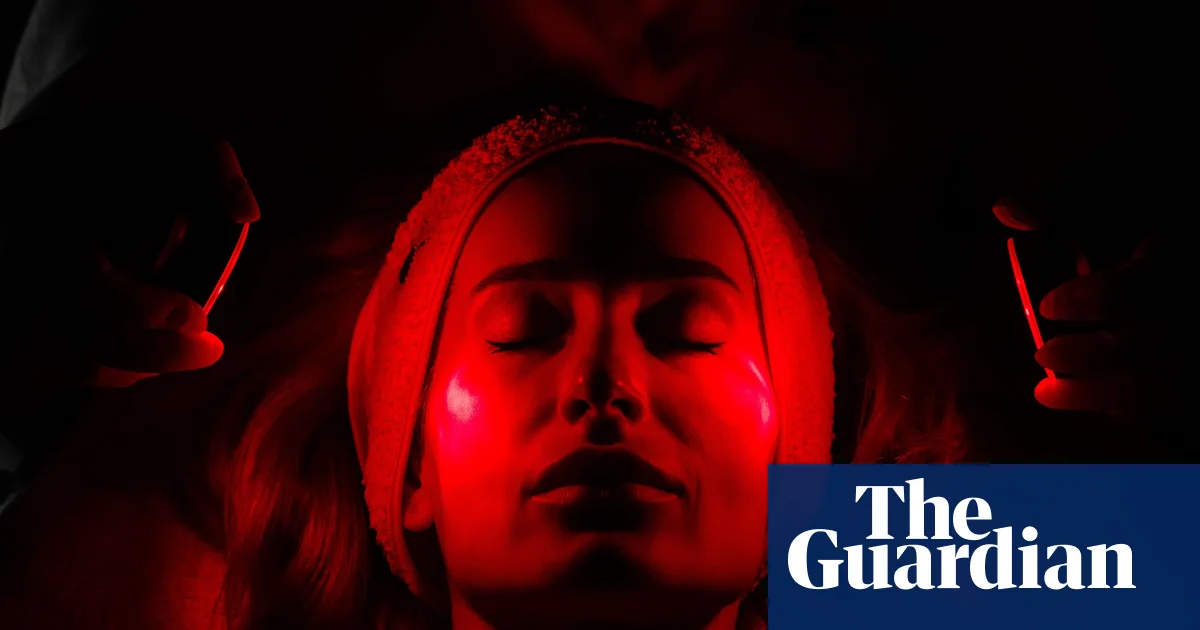
Research suggests that exposure to red light may reduce blood clot formation by influencing platelet activity and immune responses through the eye-brain pathway, potentially lowering the risk of heart attacks and strokes. Human observational data hints that blue light filtering lenses could also decrease clot risk, especially in cancer patients, but further clinical trials are needed to confirm these findings and explore light-based prevention strategies.