
Smart Knee Implants Spark Consent and Cost Disputes as Medicare Reimbursements Surge
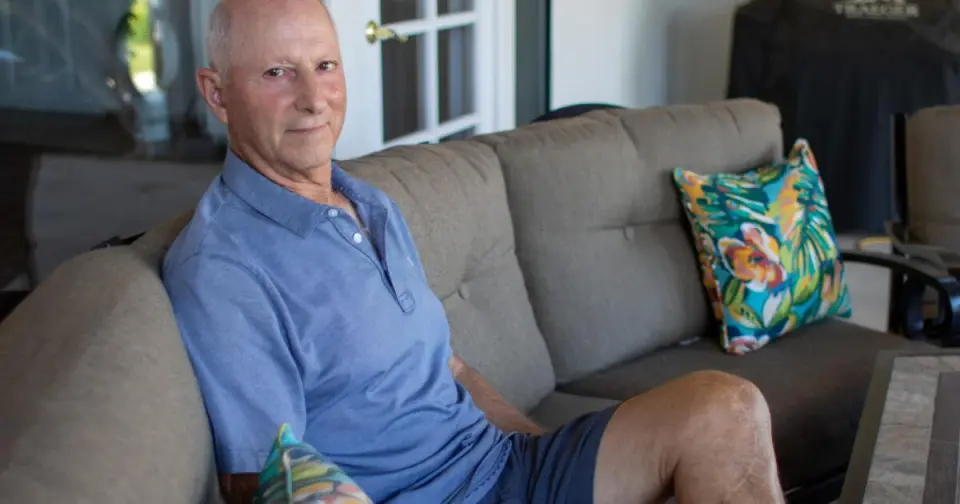
A lawsuit against Zimmer Biomet highlights concerns that 'smart' knee implants are installed without explicit patient consent for data collection. While these devices enable remote monitoring, critics note a lack of evidence for improved outcomes and rising costs, with Medicare spending on remote monitoring doubling to $536 million in 2024.
Key points
- Steve Russak sued Zimmer Biomet and Canary Medical, alleging his 'smart knee' implant was installed without informed consent regarding its data-collection capabilities.
- Zimmer Biomet’s Persona IQ implant includes sensors and a transmitter, but Russak claims he was not offered the option to opt out of data transmission or decline the device entirely.
- Medicare paid $536 million for remote patient monitoring in 2024, more than double the amount paid three years prior, despite concerns about fraud and lack of clinical benefit.
- Zimmer Biomet denies allegations, stating that data transmission requires patient authorization and that nearly 90% of surveyed patients would choose the device again.
- Critics, including orthopedic surgeons and researchers, argue that smart implants are 'nice-to-have' rather than essential, with little evidence they improve health outcomes.
Background
The rise of internet-connected medical devices, such as smart knees and blood pressure monitors, has accelerated in recent years. While proponents argue these tools enhance care through continuous monitoring, concerns persist about privacy, data misuse, and the financial incentives driving their adoption. Previous coverage of medical billing practices and AI in healthcare underscores broader tensions between technological innovation and patient autonomy.
Why it matters
The proliferation of smart medical devices raises critical questions about informed consent, data privacy, and the cost-effectiveness of new technologies in healthcare. As reimbursements for remote monitoring grow, patients and policymakers must scrutinize whether these innovations deliver tangible benefits or merely increase expenses without proven outcomes.
What to watch
Legal proceedings in the Russak and Murphy cases will continue, with hearings scheduled for December and February. Medicare may adjust reimbursement policies for remote monitoring following warnings about fraud risks, while manufacturers face pressure to provide clearer evidence of clinical benefits for their connected devices.
Want the full story? Read the original reporting
Read on Los Angeles Times