healthcare48.785 min read
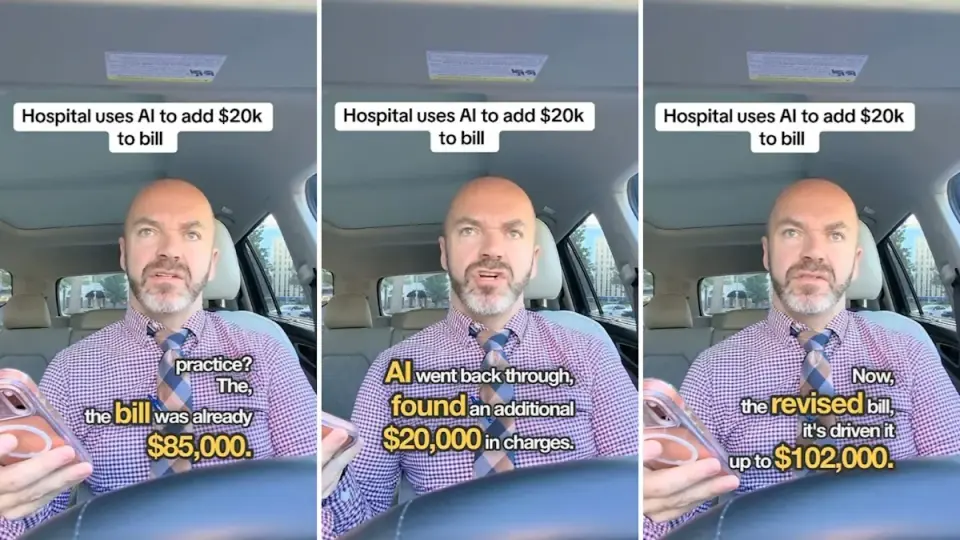
AI Billing Errors Inflate Hospital Bills by $20,000, Highlighting Operational Context Gaps
10 hours ago•Source: Yahoo

The latest healthcare stories, each synthesized from multiple sources with added background and context.
The Trump administration has begun distributing $90 one-time payments to approximately 20 million seniors to offset Medicare Part B premiums, funded by the Medicare Improvement Fund. However, an estimated 40 million other Americans are ineligible due to exclusions for Medicaid recipients, those paying income-adjusted premiums, and Medicare Advantage enrollees. The payments, arriving via direct deposit or check in October, precede the November 3 midterm elections. Critics argue the $90 amount covers less than half of the standard monthly premium and that diverting the Improvement Fund for direct consumer payouts lacks legal authority.

Major insurers are cutting 2027 Medicare Advantage plans and benefits to boost margins, despite lower premiums.

Nebraska’s early implementation of federal Medicaid work requirements has led to significant coverage losses and administrative confusion. A joint report by Human Rights Watch, Oxfam America, and Nebraska Appleseed highlights that over 1,000 residents have lost coverage, largely due to procedural errors rather than actual non-compliance. The state’s experience serves as a warning for other states facing a January 2027 deadline, with Montana and Arkansas already facing similar implementation hurdles.

Despite a 16% drop in average monthly premiums for 2027, Medicare Advantage insurers are raising out-of-pocket costs and cutting supplemental benefits like dental care to boost margins. Major carriers including UnitedHealth Group and Humana are reducing plan availability and increasing cost-sharing, a shift driven by investor pressure for higher profits. While insurers publicly emphasize affordability and core coverage, federal data and independent analyses reveal significant reductions in benefits for millions of seniors. Open enrollment for 2027 plans begins October 15, requiring beneficiaries to carefully compare plans to avoid unexpected cost increases or loss of provider access.

Eli Lilly reported that its experimental triple-agonist retatrutide caused an average weight loss of 49.6 pounds in patients with Type 2 diabetes, while a new combination therapy, EloraTZP, achieved up to 54.1 pounds of loss. Both drugs target multiple gut hormones to enhance satiety and metabolic control, with retatrutide expected to seek FDA approval by March 2027.
CMS data shows 2027 Medicare Advantage premiums will drop 16% to $12, but insurers are cutting plans and raising out-of-pocket costs to boost margins. Enrollment is projected to fall to 34 million, with major carriers like Centene and Humana exiting hundreds of counties.
The Centers for Medicare & Medicaid Services (CMS) projects that average monthly premiums for Medicare Advantage (MA) plans will fall by 16% to $12 in 2027, down from $14.37 in 2026. While headline costs drop, insurers are significantly reducing the number of available plans and increasing cost-sharing to improve margins. Stand-alone Part D prescription drug premiums are expected to rise slightly to $36. Open enrollment runs from October 15 to December 7, 2026.

HealthPartners and Essentia Health have agreed to merge, creating a massive nonprofit healthcare system in the Upper Midwest. The deal, which aims to address rising costs and workforce shortages, faces scrutiny from unions and state regulators.

The Centers for Medicare & Medicaid Services (CMS) announced that average monthly premiums for Medicare Advantage plans will decrease by 16% to $12 in 2027, while stand-alone Part D prescription drug premiums will rise slightly to $36. Although insurers predict enrollment declines, CMS expects higher participation. Open enrollment runs from October 15 to December 7.

Eli Mirlis, CEO of RegalCare, has expanded his nursing home empire in Massachusetts by acquiring 12 facilities, yet quality ratings have plummeted from five stars to one in several locations. The Boston Globe reports that Mirlis drastically cut nursing staff hours and diverted revenue to affiliated real estate and management companies, leading to severe care lapses. Despite these declines and a history of license revocations in New Jersey, the Massachusetts Department of Public Health approved his acquisitions. Mirlis recently settled a federal lawsuit regarding Medicare fraud by paying a $1 million fine.

Identical twins Travan and Travis Jasper, who grew up in extreme poverty in Richmond, Virginia, have returned to their hometown to co-direct the emergency department at Chippenham Hospital. Their decision stems from a traumatic experience at age 12, when a dismissive doctor treated their dying uncle poorly, prompting the brothers to vow to become better physicians. After attending Stanford and the University of Chicago, they began their new roles in April 2026, aiming to provide compassionate care to the community that raised them.