
Cleaning Experts Recommend Citric Acid Over Vinegar for Limescale Removal
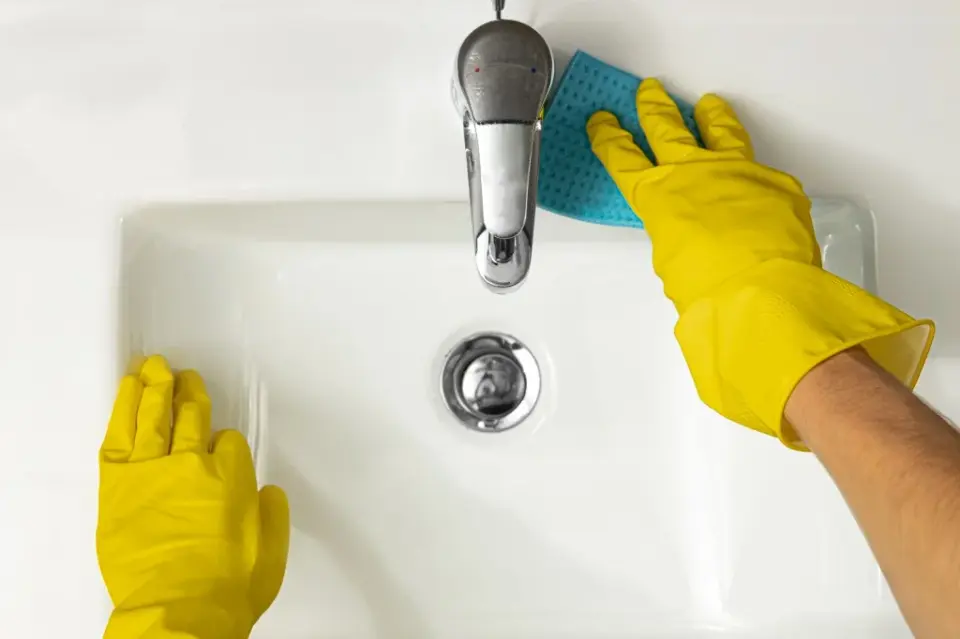
Cleaning professionals are increasingly recommending citric acid over vinegar and baking soda for removing limescale. Citric acid chemically dissolves calcium carbonate into a soluble salt, whereas vinegar is neutralized by baking soda and baking soda only acts as a mild abrasive. The recommended method involves soaking affected areas overnight with a citric acid solution, followed by scrubbing. Users must never mix citric acid with bleach due to toxic gas release.
Key points
- Citric acid is a weak triprotic acid that reacts with calcium carbonate to form calcium citrate, a soluble salt that rinses away, according to the National Center for Biotechnology Information.
- Vinegar combined with baking soda is discouraged for limescale because the alkaline baking soda neutralizes the acidic cleaning power of the vinegar, rendering the reaction ineffective.
- Baking soda functions only as a mild abrasive for scrubbing and cannot chemically dissolve limescale on its own.
- For toilet rings, dissolve 2-3 citric acid tablets in hot water, pour into the bowl, let sit overnight, then scrub and flush.
- For faucets and showerheads, dissolve one tablespoon of citric acid in half a liter of warm water, submerge the fixture in the solution overnight, then scrub and rinse.
- A critical safety rule is to never mix citric acid with bleach, as this combination releases toxic gas.
Background
This recommendation aligns with broader 2026 cleaning trends emphasizing chemical efficacy over traditional household hacks. While no peer-reviewed study directly compares citric acid and vinegar for household limescale, multiple outlets cite chemistry principles to support the shift. Citric acid is commonly found in health food stores and is used in food preservation to lower pH, making it accessible but not a standard pantry staple like vinegar.
Why it matters
Limescale buildup is not merely a cosmetic issue; it can harbor waterborne germs. Effective removal prevents potential health risks and maintains fixture functionality. The shift to citric acid offers a more efficient, odorless, and chemically superior alternative to traditional cleaning methods that often fail to dissolve hard water deposits.
What to watch
Consumers are expected to adopt citric acid as a primary descaling agent, potentially increasing demand in health food stores and online retailers. Regular monthly maintenance with citric acid may become a standard practice for preventing limescale recurrence. Cleaning experts will likely continue to advise against mixing acids with bleach to ensure household safety.
Want the full story? Read the original reporting
Read on SheKnows