
Kidney groups urge USPSTF to mandate early screening for at-risk adults
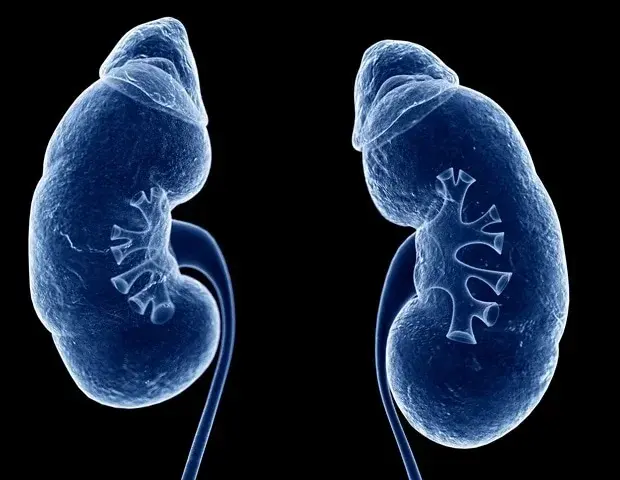
Three major kidney organizations are urging the U.S. Preventive Services Task Force to issue a new recommendation for screening chronic kidney disease in at-risk adults. They argue that simple blood and urine tests can detect silent kidney damage before symptoms appear, potentially preventing dialysis and kidney failure. The push follows the release of a national kidney care plan and highlights a significant gap in current primary care practices.
Key points
- The National Kidney Foundation, American Society of Nephrology, and American Kidney Fund are calling on the U.S. Preventive Services Task Force to prioritize updated screening guidelines for chronic kidney disease.
- Advocates emphasize that routine blood tests for kidney function and urine tests for albumin can detect disease in people with diabetes, high blood pressure, or family history before symptoms develop.
- The CDC estimates that 37 million U.S. adults have chronic kidney disease, yet nearly 90% are unaware of their condition, often leading to late diagnoses in emergency rooms.
- Current primary care practices often underutilize urine testing; a 2025 meta-analysis found only one in five adults with diabetes or hypertension received the recommended urine albumin test.
- The U.S. Preventive Services Task Force is currently reviewing evidence for a new recommendation, following the October release of the Kidney Care National Plan by the Department of Health and Human Services.
Background
This debate follows a broader trend in 2026 toward earlier detection of chronic conditions through biomarkers, similar to recent developments in Alzheimer’s and cancer diagnostics. While previous archive articles focused on specific blood tests for brain and cancer pathologies, the current kidney initiative focuses on integrating existing, low-cost tests into standard primary care workflows to prevent irreversible organ damage.
How outlets are covering it
The National Kidney Foundation and American Society of Nephrology emphasize the clinical efficacy of early detection, noting that simple tests can slow disease progression. The Washington Times highlights the economic and workforce benefits of early diagnosis, arguing that primary care physicians are crucial for keeping working-age adults employed and reducing societal costs. StudyFinds provides a technical perspective, noting that while blood and urine tests are complementary, current guidelines require confirmation over three months to avoid false positives from acute issues. Vietnam.vn offers a clinical case study illustrating the dangers of ignoring symptoms, though it is an isolated anecdote rather than a policy argument.
Why it matters
Early detection of chronic kidney disease can prevent kidney failure, reduce the need for expensive dialysis, and maintain workforce productivity. A new federal screening recommendation could standardize care, ensuring that at-risk populations receive timely interventions before irreversible damage occurs, thereby reducing the overall burden on the healthcare system.
What to watch
The U.S. Preventive Services Task Force is expected to release a draft recommendation on chronic kidney disease screening in the coming months. Health organizations are preparing to support implementation through primary care guidelines and potential Medicare reimbursement reforms to address barriers like lack of time and confusing current protocols.
- Routine blood and urine tests detect silent kidney damage before symptoms News-Medical
- From the front lines of kidney health: Why your PCP matters Washington Times
- Man discovers severe kidney failure from 3 unusual symptoms Vietnam.vn
- Up To 9 In 10 U.S. Adults With Chronic Kidney Disease Don’t Know It. Two Tests Can Spot It Before Symptoms Appear StudyFinds
Want the full story? Read the original reporting
Read on News-Medical