
When foraging risks meet neurodegenerative mystery: wild false morels and ALS
TL;DR
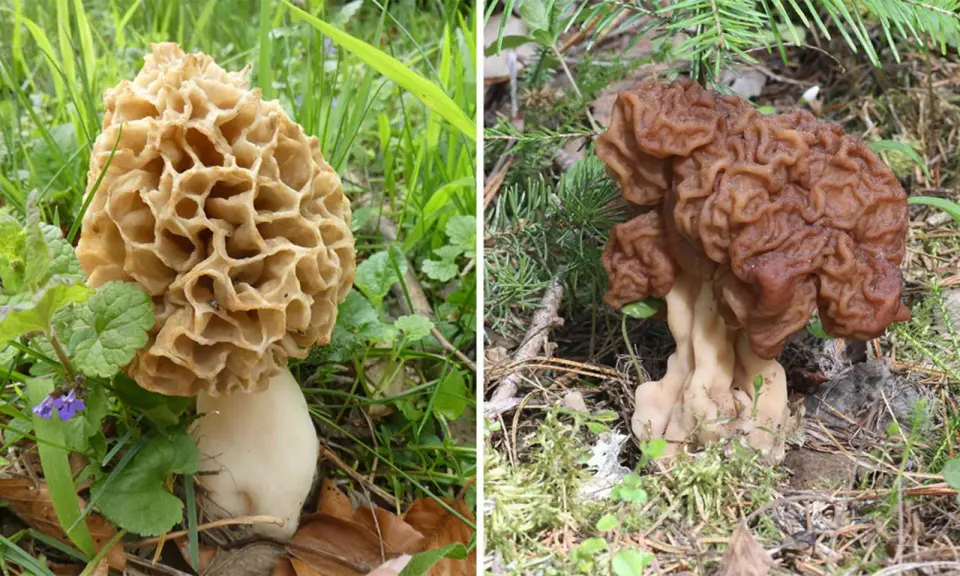
A rare cluster of ALS cases in a French Alpine village is linked to repeated consumption of wild false morel mushrooms. Researchers traced patient histories and found these mushrooms contained measurable gyromitrin, a toxin that can break down into nerve-damaging compounds, with some genetic differences suggesting slower toxin processing in certain individuals. While the findings do not prove causation, they highlight a potential food exposure risk and underscore the need for caution around foraging and preparing false morels.
Want the full story? Read the original reporting
Read on Earth.com