
AI Biosecurity Gap: White House Rebuilds Defenses Amid Staffing Cuts and Model Risks
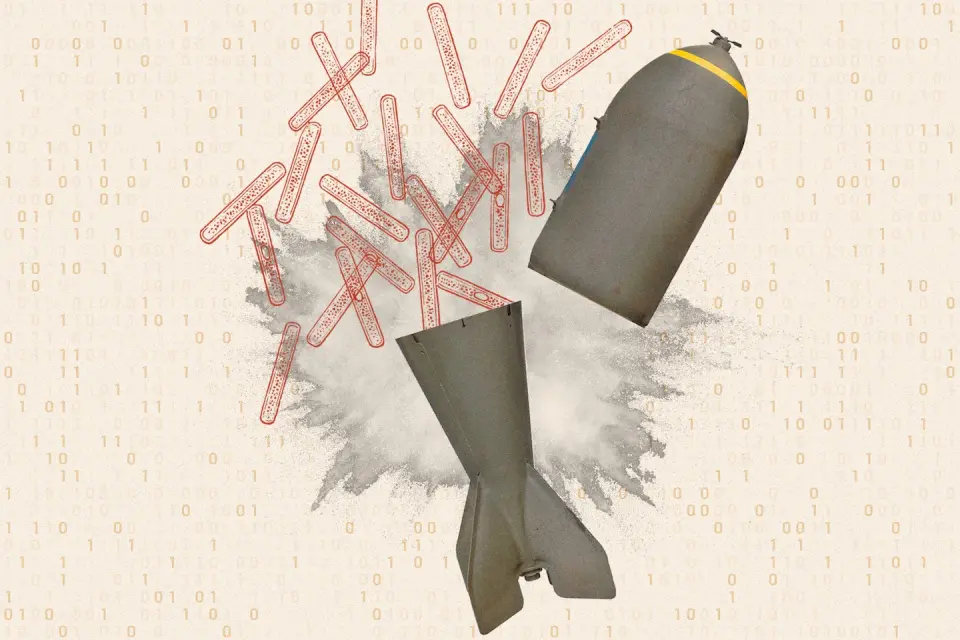
The White House is rebuilding its biological security apparatus after staffing cuts depleted expertise, even as AI models gain capabilities to design pathogens. Officials are delaying key Biden-era directives while engaging AI firms on safeguards, though experts warn that physical barriers remain the primary defense against weaponization.
Key points
- The White House reduced its biosecurity team from 30 staff to a small, rotating group lacking specialized expertise, according to former officials.
- The administration revoked a 2023 executive order on AI bio-safeguards and has not yet released a replacement policy, despite a deadline in August 2025.
- AI companies like OpenAI and Anthropic are implementing guardrails, but experts note these measures are imperfect and vary between domestic and foreign models.
- Recent AI models have demonstrated the ability to engineer new viruses and provide detailed instructions for acquiring genetic materials, raising concerns about lowered barriers for bad actors.
- The Pentagon is using AI to accelerate vaccine development and antibody analysis, aiming to leverage the technology for defense rather than just regulation.
Background
This development follows a broader pattern of federal reorganization and budget cuts in public health and science sectors during the current administration. Previous concerns about military and domestic security priorities have shifted toward the intersection of AI and biological threats, a field where no single federal agency holds full responsibility. The current push for biosecurity policy comes after a period of disrupted continuity between administrations, which experts argue has weakened long-term strategic planning.
How outlets are covering it
The Washington Post emphasizes the internal dysfunction of the White House, highlighting the loss of technocratic expertise and the delay in policy updates. In contrast, Axios focuses on the external risks, noting that while AI lowers barriers for some, the number of labs conducting high-risk research has increased, potentially raising the chance of accidental releases. The Nuclear Threat Initiative argues that current safeguards for biological AI models are insufficient compared to those for large language models, advocating for new input screening methods. GNET highlights the operational risks for extremists, suggesting that chatbots can aggregate open-source knowledge to facilitate toxin-level attacks, though they acknowledge physical constraints remain significant. A White House official defends the administration’s efforts, stating that commitment to AI and biological safety is ongoing, despite the lack of a formal policy release.
Why it matters
The convergence of advanced AI capabilities and weakened federal biosecurity infrastructure creates a potential gap in national defense. As AI models become more proficient in biological research, the risk of both intentional weaponization and accidental lab leaks increases. The current policy vacuum and staffing shortages may leave the U.S. less prepared to respond to emerging biological threats, while the debate over regulating AI in biology continues to balance innovation against safety.
What to watch
The White House is expected to finalize a revised biosecurity policy, though no timeline has been confirmed. AI companies are likely to continue refining their guardrails and collaborating with government agencies on defense applications. Experts anticipate ongoing debates over the regulation of 'gain of function' research and the implementation of new screening tools for protein design. The administration may also expand its use of AI for pandemic preparedness, as demonstrated by recent Pentagon initiatives.
- Trump aims to rebuild defenses against bioweapons as AI fears rise The Washington Post
- A convergence of biological risks Axios
- AI Can Design New Proteins. It’s Time to Build Real Biosecurity Guardrails The Nuclear Threat Initiative
- From Lab Expertise to Chat Interface: The New Risk of Toxin-Level Attacks Global Network on Extremism and Technology
- How AI Could Reshape Biological, Biosecurity Threats BankInfoSecurity
Want the full story? Read the original reporting
Read on The Washington Post