
"Food-Seeking Circuit Trumps Hunger Signals in the Brain"
TL;DR
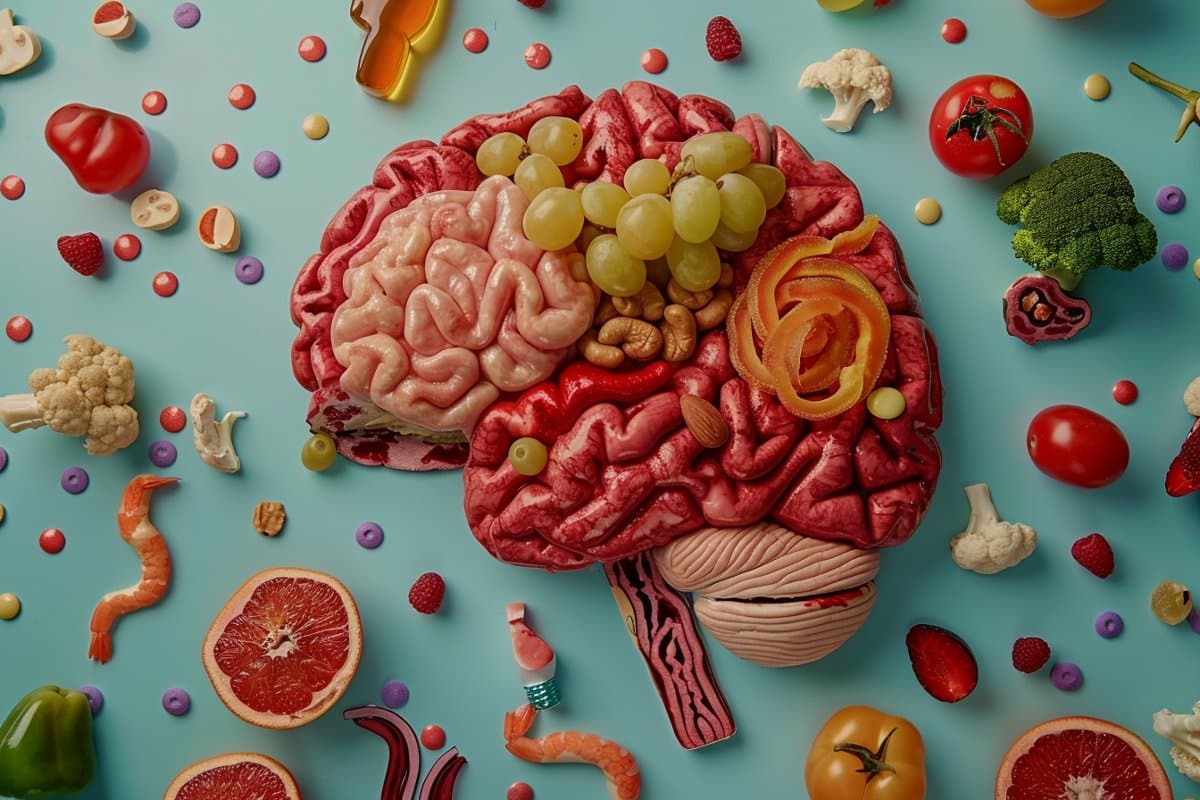
Researchers have identified a specific group of cells in the brainstem’s periaqueductal gray (PAG) area that drives mice to seek food even when not hungry, leading to a preference for high-calorie foods and food-seeking behaviors. This discovery suggests potential insights into eating disorders in humans and offers new possibilities for future treatments. The study found that stimulating these cells in mice caused a craving for fatty and sugary foods, indicating the circuit’s role in the craving for highly rewarding food, regardless of hunger.
Topics:healthneuroscience#brain-circuit#compulsive-eating#eating-disorders#food-seeking#neuroscience#periaqueductal-gray
Brain's Food-Seeking Circuit Overrides Hunger Signals Neuroscience News
Want the full story? Read the original reporting
Read on Neuroscience News