neuroscience42.755 min read
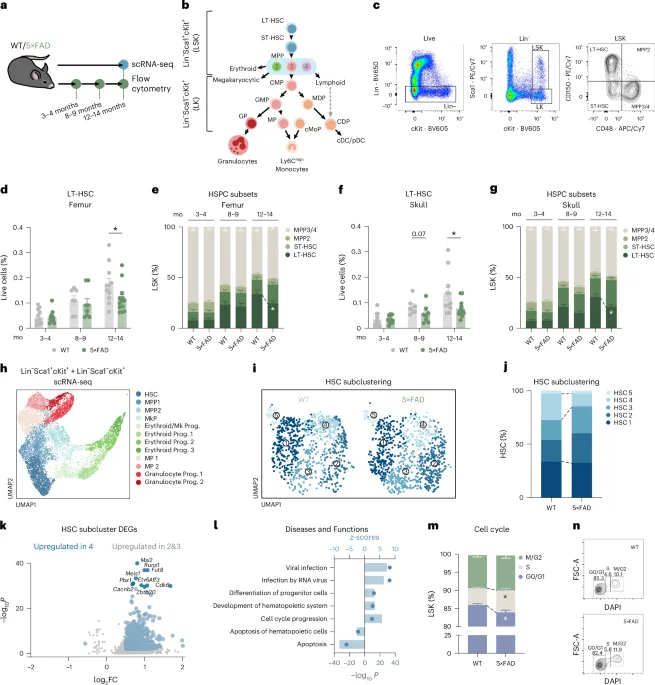
Bone marrow dysfunction drives Alzheimer’s progression by limiting monocyte brain homing
1 day ago•Source: Nature

The latest neuroscience stories, summarized by AI

An observational study of 2,603 older women followed for up to 18 years finds that earlier menopause is linked to faster cognitive decline and earlier Alzheimer’s diagnosis, with stronger effects after surgical menopause and evidence of greater white matter damage decades later; results suggest longer lifetime exposure to reproductive hormones may help protect brain health, but causality cannot be established.
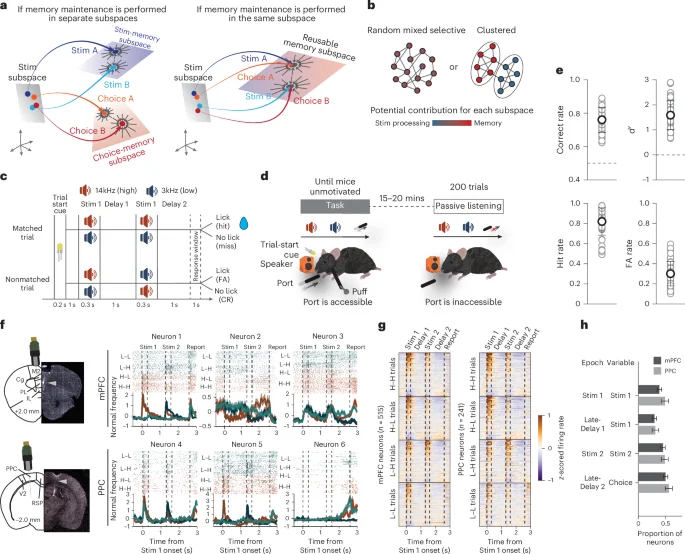
A Nature Neuroscience study shows mice performing a delayed match-to-sample task reuse separate neural subspaces for stimulus processing and memory maintenance, each supported by distinct neuron clusters in the medial prefrontal and posterior parietal cortices. These subspaces are largely orthogonal and are repurposed across inputs and memories within the same task. Analyses of data-constrained recurrent networks reveal that silencing the corresponding clusters causes modular, task-specific deficits, providing evidence for a brain-wide reusable architecture of cognitive components that parallels modular ideas in artificial networks.
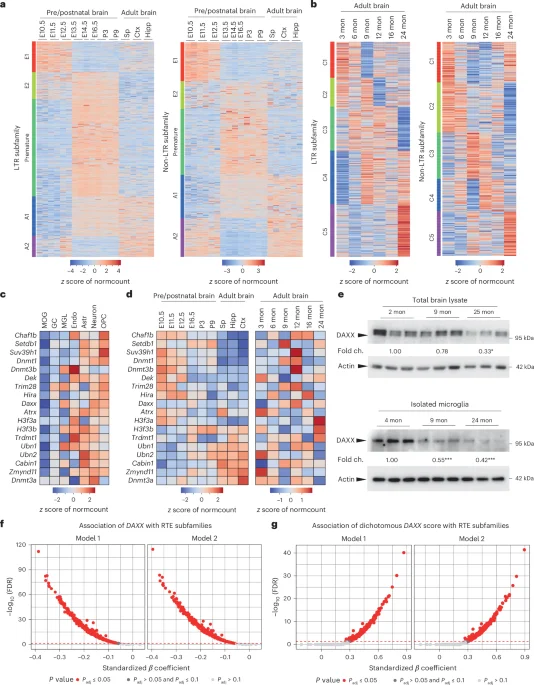
Aging reduces chromatin compaction and downregulates the histone chaperone DAXX in microglia, enabling derepression of endogenous retroelements and shifting microglia from a homeostatic to a reactive, inflammatory state. Loss of DAXX drives chromatin decompaction at LTR-RTEs, loss of homeostatic markers, cell-cycle re-entry and DNA damage, followed by microglial depletion and replacement by DAXX-deficient, ApoE-high microglia exhibiting senescence features. Sustained senescence relies on PML and interferon targets, underscoring chromatin maintenance as key to microglial identity, brain homeostasis and aging-related behavioral changes.
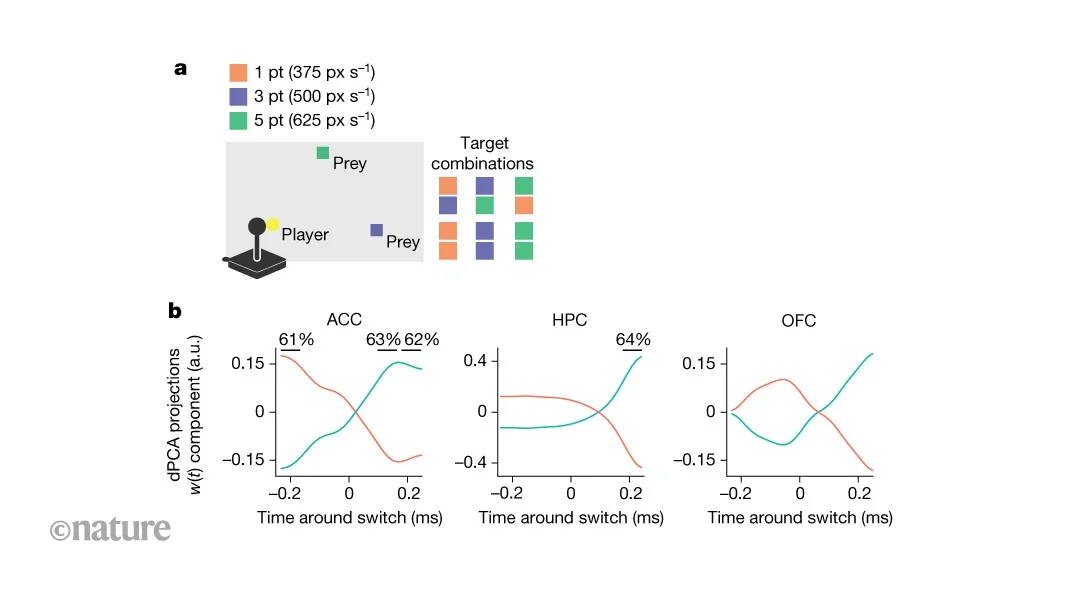
A Nature Briefing reports that humans can pursue several goals at once by blending strategies. Using control theory applied to a simple video game, researchers identified a trio of brain regions that coordinate to implement compositional control, illuminating how the brain can concurrently pursue multiple objectives.
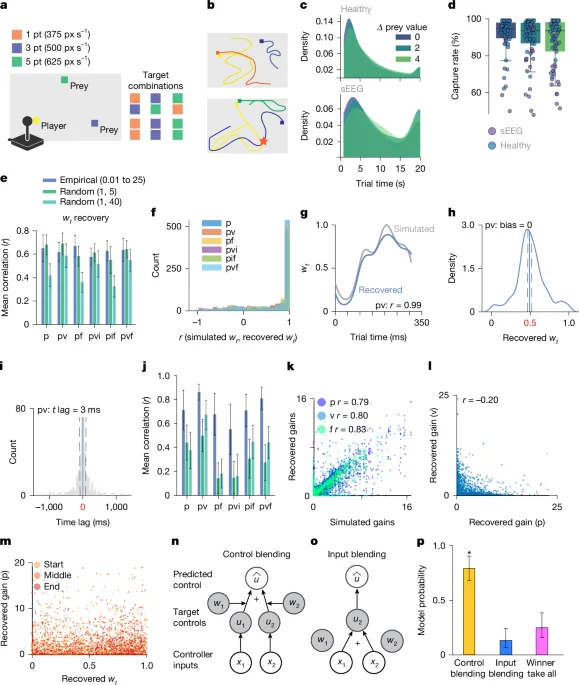
A continuous prey-pursuit task reveals that naturalistic, goal-directed behavior is governed by a control-theoretic blend of multiple lower-level policies, managed by a meta-controller that shifts policy composition. Neural data show the anterior cingulate cortex signals major policy switches, the hippocampus encodes latent policy states for early planning, and the orbitofrontal cortex represents the task's value structure, supporting a tripartite view in which the hippocampus estimates state, ACC orchestrates control, and OFC provides value context for flexible decision-making.
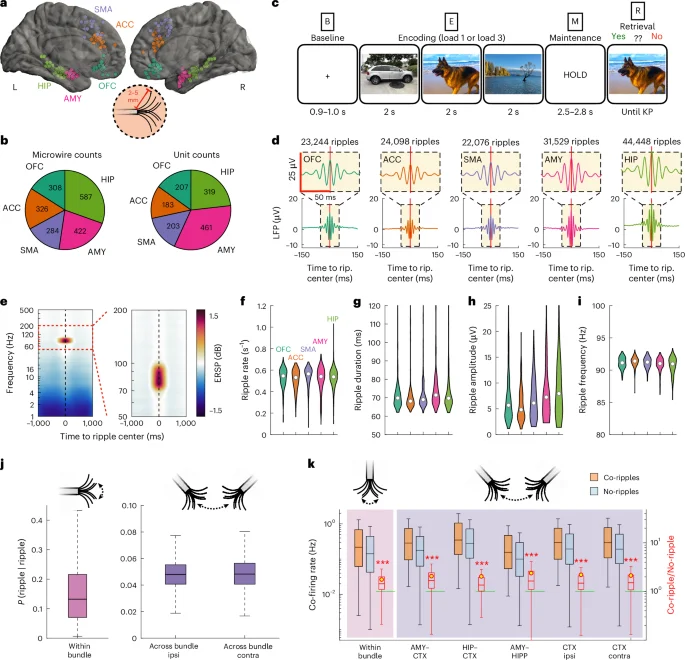
Intracranial recordings from epilepsy patients performing a Sternberg working memory task show that high-frequency ripple oscillations co-occur across distant brain regions (up to ~220 mm) and boost cross-regional neuronal co-firing by ~30% during encoding, maintenance, and retrieval. Co-ripples scale with memory load and, during retrieval, reinstate stimulus-specific long-range co-firing patterns observed at encoding, indicating ripple-mediated coordination supports distributed memory representations across hippocampus, amygdala, vmPFC, ACC and preSMA.
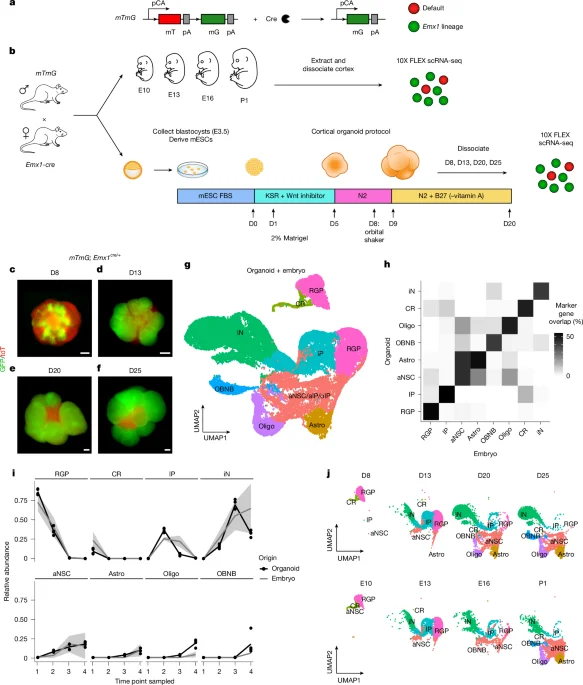
Using MADM-based clonal analysis and single-cell RNA sequencing, researchers show mouse Emx1+ radial glia progenitors in self-organizing cortical organoids lack the temporally stereotyped, linear lineage progression seen in vivo. RGPs display diverse division modes and frequent lineage restriction, producing clones with reduced neuron type diversity, yet organoids still follow a unitary RGP-to-neuron transcriptional trajectory. The data suggest that non-cell-autonomous niche cues—absent in organoids (e.g., ECM, microglia, vasculature, interneurons)—are essential to maintain faithful temporal control and clonal diversity during corticogenesis. Gliogenesis occurs after neurogenesis similarly to in vivo, but overall lineage diversity is diminished, highlighting limits of self-organization for faithfully modeling in vivo cortical development.
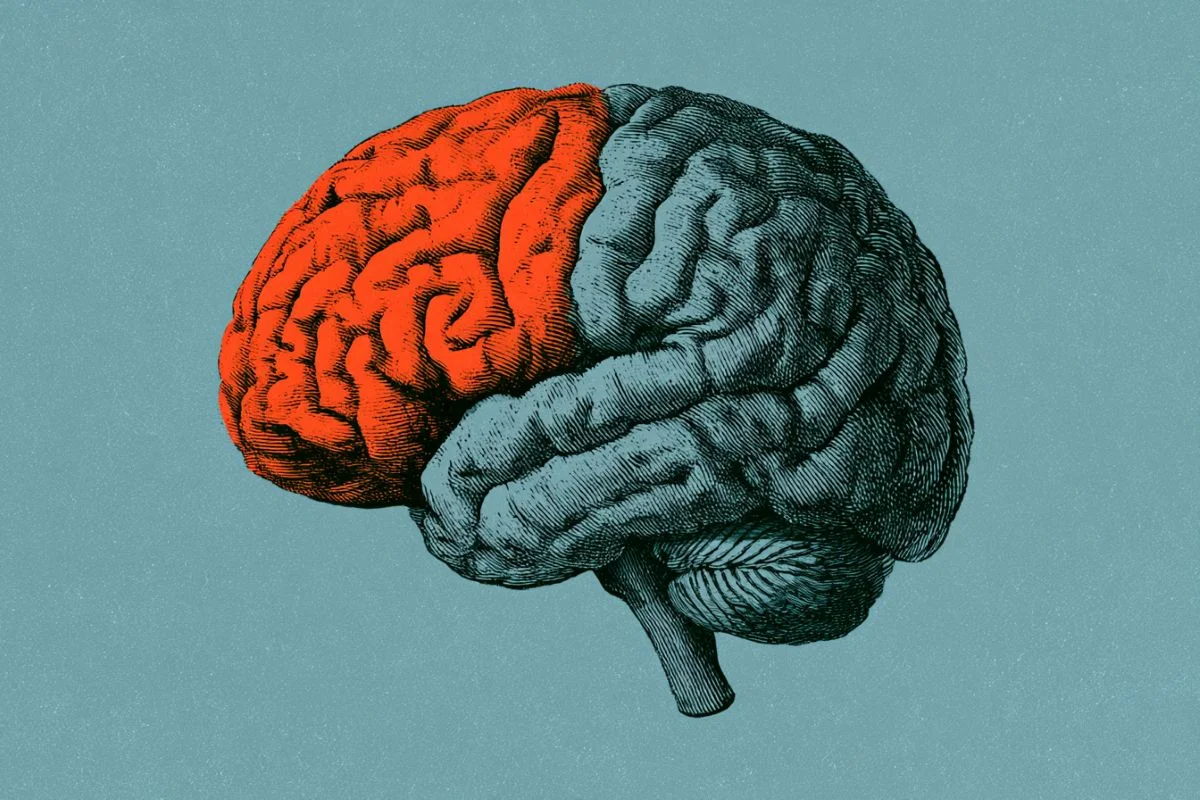
In mice, the medial prefrontal cortex—traditionally linked to flexible thinking—can impede problem-solving by enforcing a memory-based win-stay habit. Chemogenetic silencing of the mPFC speeds the shift to a superior sound-guided strategy from 4–8 days in controls to 2–3 days, with the auditory cortex also crucial for cue learning. These findings suggest suppressing executive control can help acquire new, sensory-driven habits and may guide human therapies (e.g., TMS) to modulate prefrontal activity in cognitive disorders.
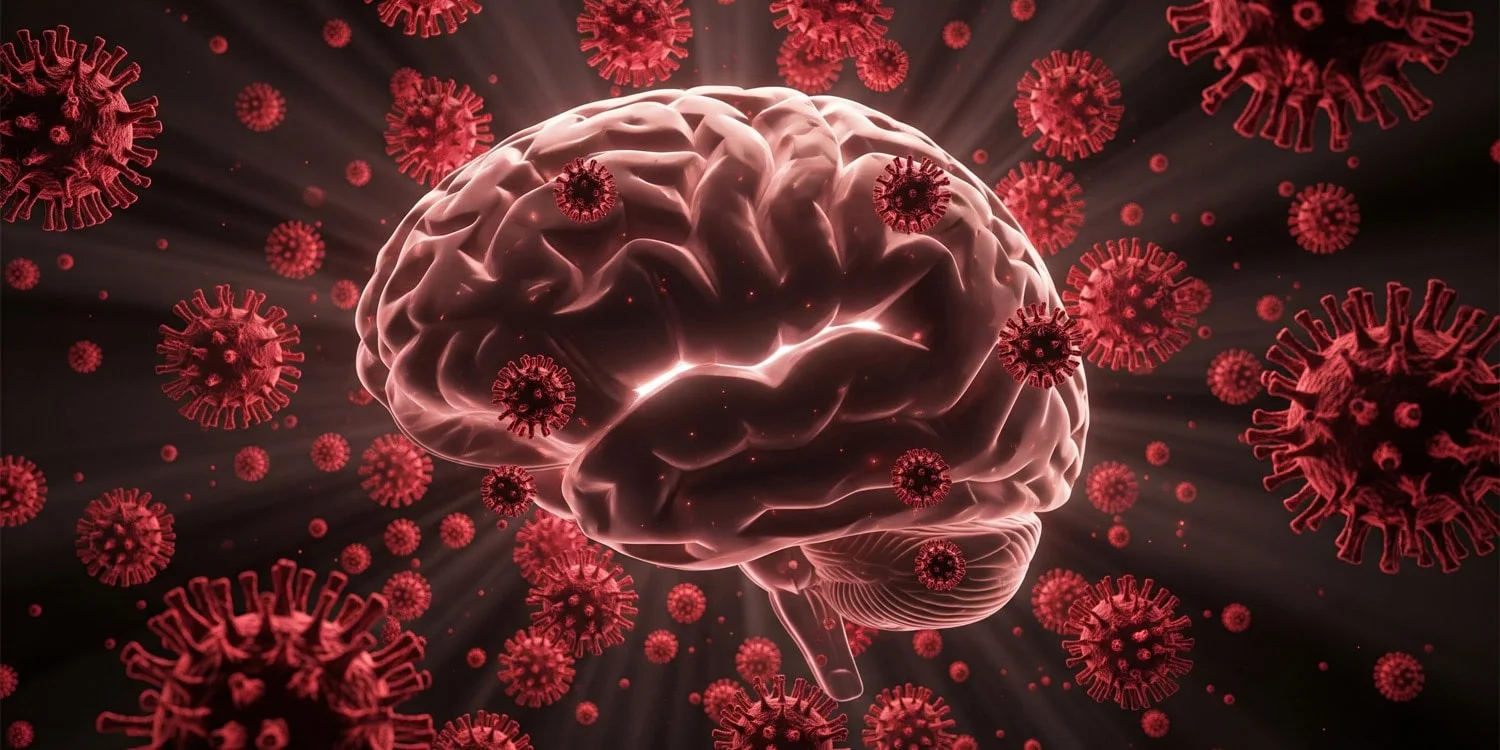
A systematic review of 49 brain-imaging studies finds that COVID-19 is associated with widespread structural and functional brain changes, including reduced gray matter in frontal/temporal/parietal regions, white-matter integrity loss, altered resting-state connectivity in limbic networks, and reduced cerebral blood flow, changes that may relate to brain fog and fatigue. However, most studies are cross-sectional with no pre-infection baselines, making causality and persistence uncertain; long-term, whole-brain research is needed to determine if these changes are permanent or reversible.

A mouse study in Neuron shows early-life stress increases the enzyme SETD7 in ventral tegmental area neurons, raising H3K4me1 marks and loosening DNA to prime dopamine-related genes for later activation. This makes animals more vulnerable to stress and anxiety, providing a potential biological mechanism for how childhood trauma increases mental-health risk and highlighting epigenetic targets for interventions, though human validation is needed; positive experiences might offer protective effects.
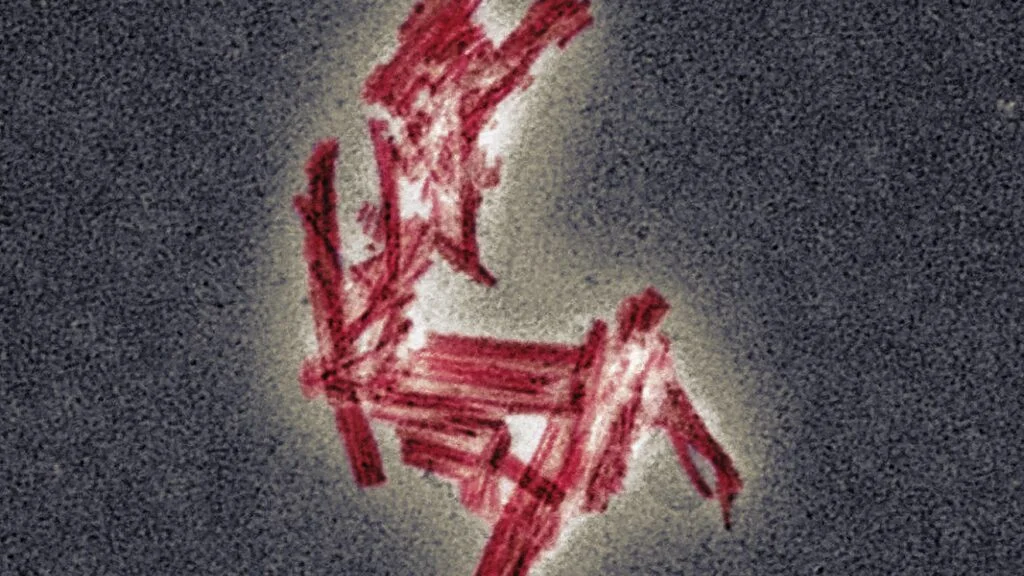
Stanford researchers found tau can trigger reverse electron transport in mitochondria, generating reactive oxygen species and cellular stress; blocking this retrograde flow reversed harmful effects and improved learning/memory in flies and mice, suggesting a novel therapeutic angle for Alzheimer’s. Early human cell/tissue data support the idea, and two authors have started a biotech startup to pursue further validation, though results in people remain unproven.