
Marsha Linehan, Creator of DBT and Pioneer in Mental Health, Dies at 83
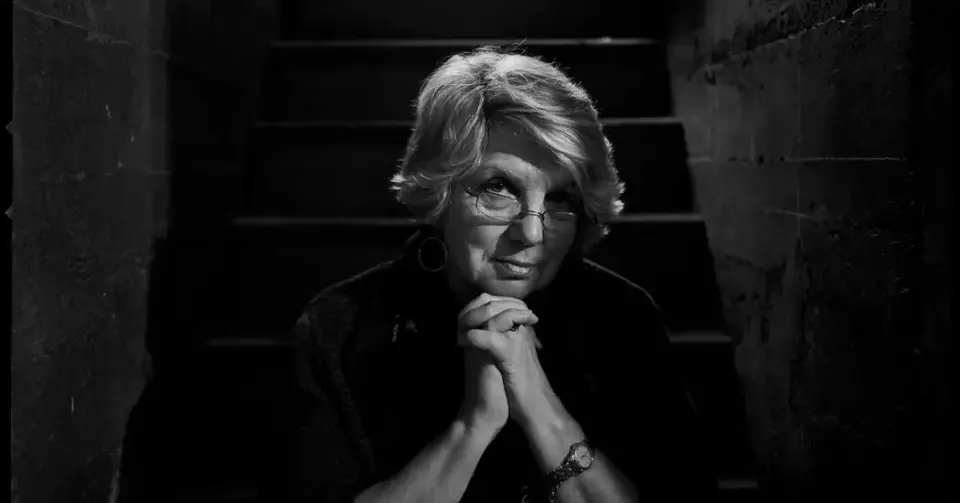
Marsha Linehan, the psychologist who developed Dialectical Behavior Therapy (DBT), died on Nov. 10 in Seattle at age 83. Her treatment, which blends cognitive behavioral techniques with Zen mindfulness, is now the gold standard for borderline personality disorder and severe suicidality. Linehan’s work, driven by her own past struggles with mental illness, has saved thousands of lives and expanded to address other conditions like PTSD and eating disorders.
Key points
- Marsha Linehan died on Nov. 10, 2026, in Seattle from complications of pneumonia after being hospitalized on Oct. 31.
- She developed Dialectical Behavior Therapy (DBT) in the 1980s, which is now the gold standard for treating borderline personality disorder (BPD) and severe suicidality.
- DBT combines cognitive behavioral therapy with Zen mindfulness, focusing on emotion regulation, distress tolerance, and radical acceptance.
- Linehan’s personal experience with BPD, which she revealed in 2011, motivated her to create a treatment that validates patients’ emotions before addressing behavior.
- DBT has been adapted to treat other conditions, including PTSD, bipolar disorder, eating disorders, and substance use disorders.
- Linehan was a professor at the University of Washington and founded the Linehan Institute to spread DBT training and research.
Background
Marsha Linehan’s death was announced by the Linehan Institute, which she founded to promote DBT. Her work has been widely recognized, with DBT now recommended by the National Institute for Health and Care Excellence for treating self-harm. Linehan’s personal journey, including her hospitalization in 1961 and subsequent self-acceptance, inspired her therapeutic approach. She published her memoir, 'Building a Life Worth Living,' in 2020, detailing her experiences and the development of DBT.
How outlets are covering it
The New York Times emphasizes Linehan’s personal connection to BPD and the impact of DBT on suicidal patients. CNN highlights the integration of Zen Buddhism and cognitive behavioral therapy in DBT, noting its effectiveness for complex mental health issues. The Telegraph focuses on the stigma surrounding BPD and how DBT challenged traditional psychoanalytic models. The Seattle Times underscores Linehan’s role as a beacon of hope and her contributions to mental health research, including her work at the University of Washington. All sources agree on the significance of DBT but differ in emphasis: The Times and CNN highlight personal and spiritual influences, while The Telegraph and Seattle Times focus on professional and societal impact.
Why it matters
Linehan’s legacy lies in transforming the treatment of borderline personality disorder and other mental health conditions. DBT has reduced suicidal behavior and hospital admission rates by up to 50%, providing hope for patients previously deemed untreatable. Her work has expanded to address a wide range of conditions, improving quality of life and relationship stability for many. Linehan’s emphasis on radical acceptance and mindfulness has influenced modern psychotherapy, making DBT a cornerstone of mental health treatment worldwide.
What to watch
The Linehan Institute will continue to promote DBT training and research. A private family service is expected to honor Linehan’s memory. DBT remains a critical tool in mental health care, with ongoing efforts to expand access and adapt the treatment for new populations, including minors and those with complex trauma.
- Marsha Linehan Has Died. She Transformed Treatment for Personality Disorder. The New York Times
- How DBT treats borderline personality disorder, eating disorders and more CNN
- Marsha Linehan, psychologist behind radical treatment for borderline personality disorder – obituary The Telegraph
- Marsha Linehan, groundbreaking psychologist and UW professor, dies at 83 The Seattle Times
- Before she created DBT, Marsha Linehan spent 2 years in a psychiatric ward The Indian Express
Want the full story? Read the original reporting
Read on The New York Times