
Post-mortem brain study reveals distinct epigenetic scars of PTSD and depression
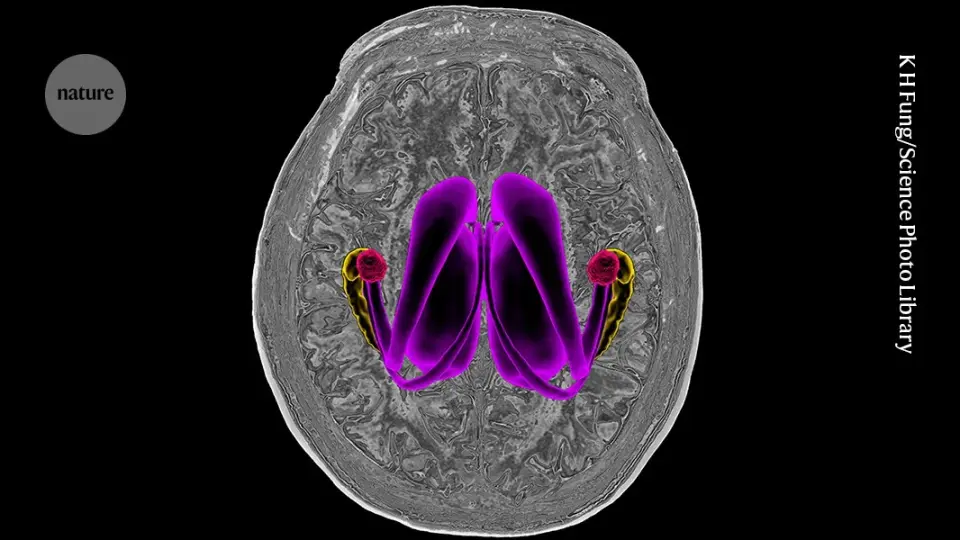
A large post-mortem study of 302 brains identifies unique DNA methylation patterns in the prefrontal cortex of individuals with PTSD, distinguishing them from those with depression or no disorder. The research highlights how trauma alters gene regulation and cell composition, particularly in the amygdala, with variations linked to sex, ethnicity, and age of trauma exposure.
Key points
- Researchers analyzed DNA methylation in 302 post-mortem brains, including 101 with PTSD, 101 with depression, and 100 controls.
- PTSD brains showed distinct methylation changes in the prefrontal cortex, while depression showed changes in the amygdala.
- PTSD brains had reduced oligodendrocytes in the amygdala, especially in those traumatized as adults, not children.
- Methylation patterns in PTSD varied significantly by sex, ethnicity, and age of trauma, unlike the more uniform patterns in depression.
- The study provides a molecular basis for understanding PTSD but cannot yet confirm causation or predict individual outcomes.
Background
Previous epigenetic studies relied on blood or saliva samples, which are indirect proxies for brain activity. This new research moves directly to post-mortem brain tissue, offering a more accurate view of how trauma chemically alters neural structures. It builds on earlier findings that environmental stressors can leave molecular 'scars' on DNA without changing the genetic sequence itself.
How outlets are covering it
Nature and Live Science both emphasize the study's comprehensiveness and its focus on brain-specific regions like the amygdala and hippocampus. Genetic Engineering and Biotechnology News highlights the variability in PTSD signatures based on demographic factors, suggesting potential for personalized medicine. Psychiatric Times, while not covering this specific study, features a podcast with Bessel van der Kolk discussing the limits of pharmacotherapy for trauma, contrasting the biological focus of the new study with clinical perspectives on attachment and psychedelic-assisted therapy. All sources agree that while these molecular marks are significant, they cannot yet be used for diagnosis due to the post-mortem nature of the data and unknown causal directions.
Why it matters
Understanding the epigenetic mechanisms of PTSD could lead to better diagnostic tools and targeted treatments. By identifying specific molecular changes in the brain, researchers may eventually correlate blood-based markers with brain activity, enabling earlier intervention and more personalized care for trauma survivors.
What to watch
Researchers plan to investigate how factors like sex, trauma timing, and substance use influence epigenetic variation. Future studies may aim to link brain methylation patterns with peripheral blood markers to develop non-invasive diagnostic tests for PTSD and depression.
- The brain keeps the score: how trauma leaves molecular scars in cells Nature
- Unique epigenetic marks seen in brains of people with PTSD could someday aid diagnosis Live Science
- Podcast: Bessel van der Kolk, MD, on Trauma, Attachment, and the Limits of Pharmacotherapy for PTSD Psychiatric Times
- PTSD Brain DNA Methylation Patterns Linked to Age of Trauma Exposure, Sex, and Ethnicity Genetic Engineering and Biotechnology News
- Brain epigenome reveals molecular signatures of PTSD and MDD BioWorld News
Want the full story? Read the original reporting
Read on Nature