
Allegheny County schedules mosquito spraying in eight Pittsburgh areas after West Nile detections
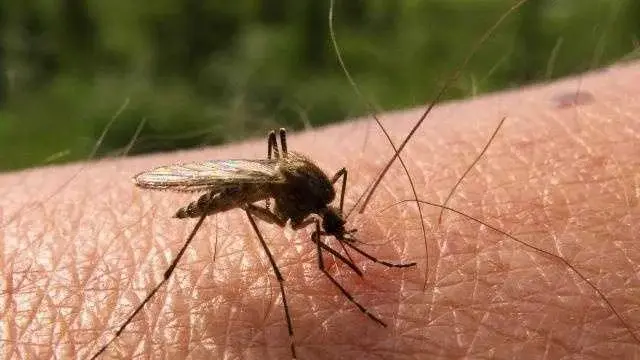
Allegheny County Health Department officials announced that eight Pittsburgh neighborhoods will undergo mosquito spraying on August 5 due to recent positive West Nile virus samples. The treatment uses Zenivex E20, a pesticide described as low-risk for humans and wildlife. While less than 1% of infected individuals develop serious illness, residents are advised to use repellent and eliminate standing water. This local action mirrors broader regional efforts to manage mosquito-borne diseases during peak season.
Key points
- Eight Pittsburgh neighborhoods, including Brighton Heights, Marshall-Shadeland, and Manchester, are scheduled for mosquito treatment on August 5.
- The Allegheny County Health Department confirmed additional positive West Nile virus samples in local mosquito populations, prompting the intervention.
- Officials will use Zenivex E20, an insecticide approved by the Pennsylvania Department of Environmental Protection, applied via ultra-low volume sprayers.
- The pesticide is designed to degrade rapidly in sunlight and is considered low risk for people, pets, and pollinators when used correctly.
- Residents are encouraged to use insect repellent, wear long sleeves, and report potential mosquito breeding sites to the health department.
Background
This development follows a pattern of West Nile virus surveillance and control measures across the United States in 2026. Earlier this year, Orange County in California implemented spraying after detecting 38 positive samples, while Wauwatosa, Wisconsin, reported its first positive mosquitoes of the season. Similarly, Davis County and Las Vegas areas have increased surveillance and public health advisories. These prior incidents highlight that while most infections are mild, severe cases can occur, particularly among vulnerable populations, necessitating proactive mosquito control strategies in various regions.
How outlets are covering it
WTAE and WPXI both report on the Allegheny County decision, with WPXI providing specific timing details (8 p.m. to 11 p.m.) and a rain date of August 6. WTAE emphasizes the safety profile of the pesticide Zenivex E20. In contrast, the Waynesboro Record Herald covers a separate but related event in Franklin County, Pennsylvania, where a different pesticide (PermaSease 4-4) is being used in Greene Township on August 4. This highlights that while the threat is regional, the specific products and schedules vary by county. TribLIVE.com did not provide relevant content due to a privacy notice page.
Why it matters
The detection of West Nile virus in mosquitoes serves as a critical public health warning, prompting immediate action to reduce transmission risks. Although the virus rarely causes severe illness, the potential for serious complications like encephalitis makes preventive measures essential. The coordinated response by local health departments demonstrates the importance of rapid surveillance and community engagement in mitigating mosquito-borne disease outbreaks during peak season.
What to watch
Residents in the eight affected Pittsburgh neighborhoods should expect truck-mounted spraying between 8 p.m. and 11 p.m. on August 5, with a backup date of August 6 if weather interferes. Individuals are advised to stay indoors during the spraying window and continue using personal protective measures such as repellent and protective clothing. The Allegheny County Health Department will continue monitoring mosquito populations and may adjust treatment areas based on future sample results.
- 8 Pittsburgh neighborhoods to be spray-treated after positive West Nile samples WTAE
- West Nile virus to be spray-treated in 8 Pittsburgh neighborhoods TribLIVE.com
- 8 Pittsburgh communities to be treated for mosquitoes after positive West Nile Virus samples WPXI
- West Nile virus prompts mosquito spraying in Greene Township Waynesboro Record Herald
- Additional mosquito spraying scheduled for part of Franklin County fox43.com
Want the full story? Read the original reporting
Read on WTAE