
Silicon Valley startup launches embryo screening for autism and schizophrenia
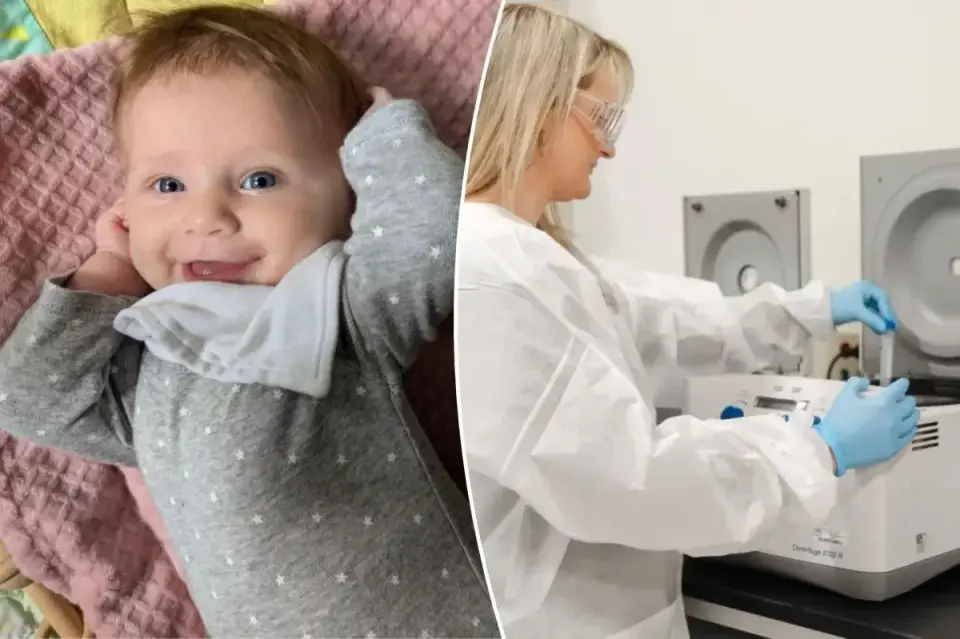
Herasight, a Silicon Valley-backed startup, has launched NeuroRisk, a new test that screens embryos for genetic markers linked to autism and schizophrenia. The service, which costs $25,000 per batch, assigns a risk score from 0 to 100 based on rare mutations. While the company claims to identify severe cases, medical experts and advocacy groups criticize the practice as unproven and potentially eugenicist, noting that autism is not caused by a single gene.
Key points
- Herasight launched NeuroRisk in October 2026, claiming it is the first test to screen embryos for autism and schizophrenia.
- The test sequences cells from embryos after IVF and scores the load of rare mutations on a 0-100 scale against the general population.
- Co-founder Jonathan Anomaly, a former philosophy lecturer, argues that the test targets severe cases and not mild conditions like Asperger syndrome.
- The American Society for Reproductive Medicine stated in December 2025 that polygenic embryo screening should not be offered as a clinical service due to unproven accuracy.
- A Herasight scientist, Spencer Moore, used the test to select a lower-risk embryo (score 60) over a higher-risk one (score 88) for his own family.
- The Autistic Self Advocacy Network opposes the screening, labeling it ableist and advocating for the removal of genetic tests aimed at preventing autism.
Background
This development follows a broader trend in 2026 where Silicon Valley tech leaders have pivoted away from right-wing political alliances after the Democratic midterm victory. While the archive notes Musk's regret over spending $500 million on Republican candidates and his distancing from the MAGA movement, the current story highlights a different aspect of tech influence: the application of advanced genetic screening in reproductive medicine. The archive also mentions AI-driven wealth reshaping housing markets, but the primary focus here is on the ethical and medical implications of embryo selection for neurodevelopmental conditions.
Why it matters
The launch of NeuroRisk raises significant ethical and medical questions about the boundaries of genetic screening. While the company argues that it helps parents avoid severe disabilities, critics argue that it promotes eugenics and stigmatizes autism. The lack of consensus in the medical community, with major organizations like the American Society for Reproductive Medicine and the American College of Medical Genetics and Genomics opposing the practice, highlights the tension between technological innovation and established medical ethics. This case also underscores the growing influence of wealthy tech figures in shaping reproductive choices and the potential for genetic discrimination.
What to watch
The future of NeuroRisk and similar services will likely depend on regulatory responses and public opinion. If the practice gains traction, it could lead to increased scrutiny from medical and ethical bodies. Conversely, if it remains controversial, it may face legal challenges or bans. The ongoing debate will also influence how genetic screening is perceived in the broader context of reproductive rights and disability rights.
Want the full story? Read the original reporting
Read on New York Post