
NYC Legionnaires' Surge Sparks Debate Over Water Filtration vs. Cooling Tower Focus
New York City faces a record surge in Legionnaires' disease cases, prompting a debate over whether to build a billion-dollar water filtration plant or focus on cooling tower regulations. While the city's water supply is largely unfiltered, experts disagree on whether the bacteria poses a significant risk from tap water or if the issue lies primarily in building infrastructure.
Key points
- NYC reported 657 Legionnaires' cases in 2025, a 10-year high, with 2026 seeing multiple outbreaks including one in the South Bronx.
- The Alliance to Prevent Legionnaires' Disease, linked to cooling tower manufacturers, argues for a multibillion-dollar filtration plant to address bacteria in the water supply.
- City officials and some experts contend that Legionella levels in the water supply are low and that cooling tower regulations are the primary defense against outbreaks.
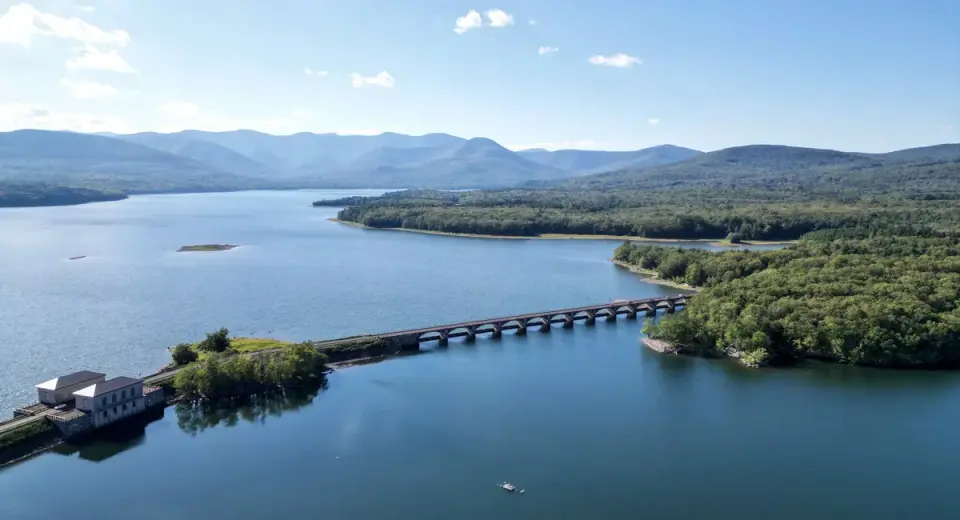
- The city's water system is the largest unfiltered supply in the nation, relying on watershed protection rather than filtration for most of its water.
- Recent outbreaks in Harlem, the Upper East Side, and the South Bronx have led to significant deaths and lawsuits, highlighting the ongoing challenges in preventing the disease.
Background
In 2025, NYC experienced a significant increase in Legionnaires' cases, with 657 reported, a 10-year high. This followed a 2024 total of 258 cases. The city has a history of Legionnaires' outbreaks, with notable clusters in 2015, 2018, and 2022. The current debate over water filtration and cooling tower regulations is part of a broader discussion on how to manage the city's water supply and prevent future outbreaks.
How outlets are covering it
Gothamist highlights the debate between the Alliance to Prevent Legionnaires' Disease, which advocates for water filtration, and city officials who focus on cooling tower regulations. Circle of Blue notes the national surge in Legionnaires' cases, with NYC having the highest case rate in 2025. The Riverdale Press provides local context on the South Bronx outbreak, emphasizing the importance of cooling tower testing and public awareness. City Limits argues for better cooling tower designs and disinfection methods, criticizing the city's reactive approach to outbreaks.
Why it matters
The surge in Legionnaires' cases highlights the need for effective public health measures to prevent outbreaks. The debate over water filtration and cooling tower regulations has significant implications for public health, infrastructure investment, and the safety of New York City's water supply. Addressing these issues could reduce the risk of future outbreaks and protect vulnerable populations.
What to watch
The City Council's health committee is reviewing testimony from the Alliance to Prevent Legionnaires' Disease and considering enhanced enforcement of building water systems. The city may also explore alternative cooling technologies and disinfection methods to prevent future outbreaks. Public awareness and testing of cooling towers will remain critical in managing the risk of Legionnaires' disease.
- In wake of Legionnaires' outbreaks, a debate over NYC's water and industry influence Gothamist
- Legionnaires’ Disease Cases Surge Again, CDC Data Shows Circle of Blue
- What Riverdale residents should know about the South Bronx Legionnaires’ disease outbreak The Riverdale Press
- Source of South Bronx Legionnaires' disease cluster has been eliminated, health officials say CBS News
- Opinion: Legionnaires’ Disease Keeps Coming Back. What Can NYC Do Differently? citylimits.org
Want the full story? Read the original reporting
Read on Gothamist