Tag

Water Filtration

All articles tagged with #water filtration

NYC Legionnaires' Surge Sparks Debate Over Water Filtration vs. Cooling Tower Focus
public-health8 days ago

NYC Legionnaires' Surge Sparks Debate Over Water Filtration vs. Cooling Tower Focus

New York City faces a record surge in Legionnaires' disease cases, prompting a debate over whether to build a billion-dollar water filtration plant or focus on cooling tower regulations. While the city's water supply is largely unfiltered, experts disagree on whether the bacteria poses a significant risk from tap water or if the issue lies primarily in building infrastructure.

Branching into clean water: MIT's tree-slice filter purges bacteria and viruses without power
technology1 month ago

Branching into clean water: MIT's tree-slice filter purges bacteria and viruses without power

MIT researchers turned tree branches into water filters that removed more than 99% of E. coli and rotavirus in lab tests; after fieldwork in India, they designed a gravity-fed prototype that purifies about one liter per hour without electricity or imported membranes, using replaceable wooden discs—offering a cheap, accessible solution for clean water in low-resource settings, though real-world performance and durability still face challenges.

European native oysters spawn up to 2 million larvae and help rebuild UK reefs
environment1 month ago

European native oysters spawn up to 2 million larvae and help rebuild UK reefs

The European native oyster (Ostrea edulis) is a key UK ecosystem engineer, filtering seawater to improve quality and forming reefs that support biodiversity. They are protandrous hermaphrodites, with a female around 8 cm able to produce about 1 million larvae, up to 2 million in larger individuals per spawning. Populations have declined roughly 95% since the 19th century, but restoration efforts are underway across the coast.

Virginia Teen Invents Magnetic Water Filter That Captures Nearly 96% of Microplastics
science6 months ago

Virginia Teen Invents Magnetic Water Filter That Captures Nearly 96% of Microplastics

A Virginia high school student, Mia Heller, built a three‑chamber ferrofluid–based water filter that uses a magnetic field to pull microplastic particles from water and recover the ferrofluid for reuse. In testing, the device removed about 95.5% of microplastics and recovered 87% of the ferrofluid, performing in the same range as some traditional treatment plants. The concept could fit under-sink use, but challenges remain in safely disposing of captured plastics and scaling ferrofluid production for larger applications, with results pending professional testing.

Protect Your Camper: How to Prevent Water Tank Contamination
health-and-safety1 year ago

Protect Your Camper: How to Prevent Water Tank Contamination

RV water tanks can harbor dangerous bacteria and parasites if not properly maintained and cleaned regularly. The CDC reports a fatal brain infection linked to contaminated RV water, emphasizing the importance of using filtered, sterile, or boiled water for internal use and regularly cleaning the tanks to prevent health risks. Installing effective filtration systems and sanitizing tanks every few months are recommended safety measures.

MIT Engineers Innovate Water Filters with Manta Ray Inspiration
science-and-technology1 year ago

MIT Engineers Innovate Water Filters with Manta Ray Inspiration

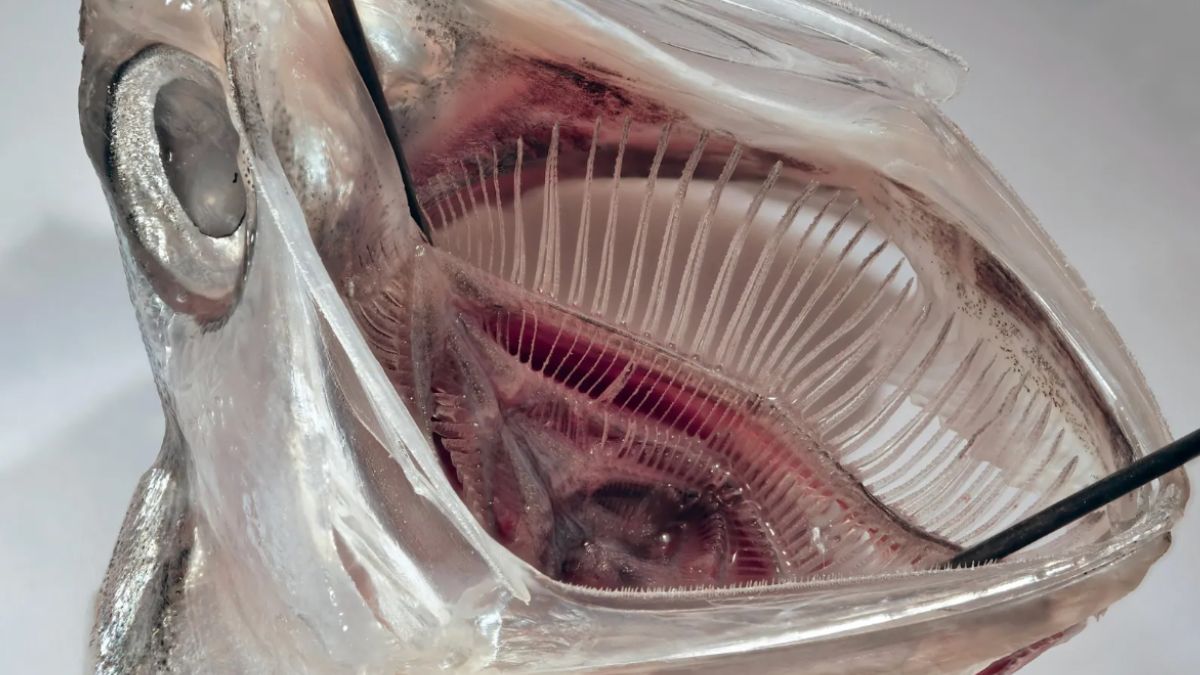
MIT engineers have developed a new water filter design inspired by the filter-feeding mechanism of mobula rays, a type of manta ray. By studying the ray's unique ability to balance permeability and selectivity, the team created a filter that uses vortex formation to block particles while allowing water to pass through efficiently. This biomimetic approach could enhance industrial cross-flow filters, offering a blueprint for optimizing filtration systems in water treatment plants.

"Two Simple Steps to Remove Microplastics from Tap Water"
science-and-environment2 years ago

"Two Simple Steps to Remove Microplastics from Tap Water"

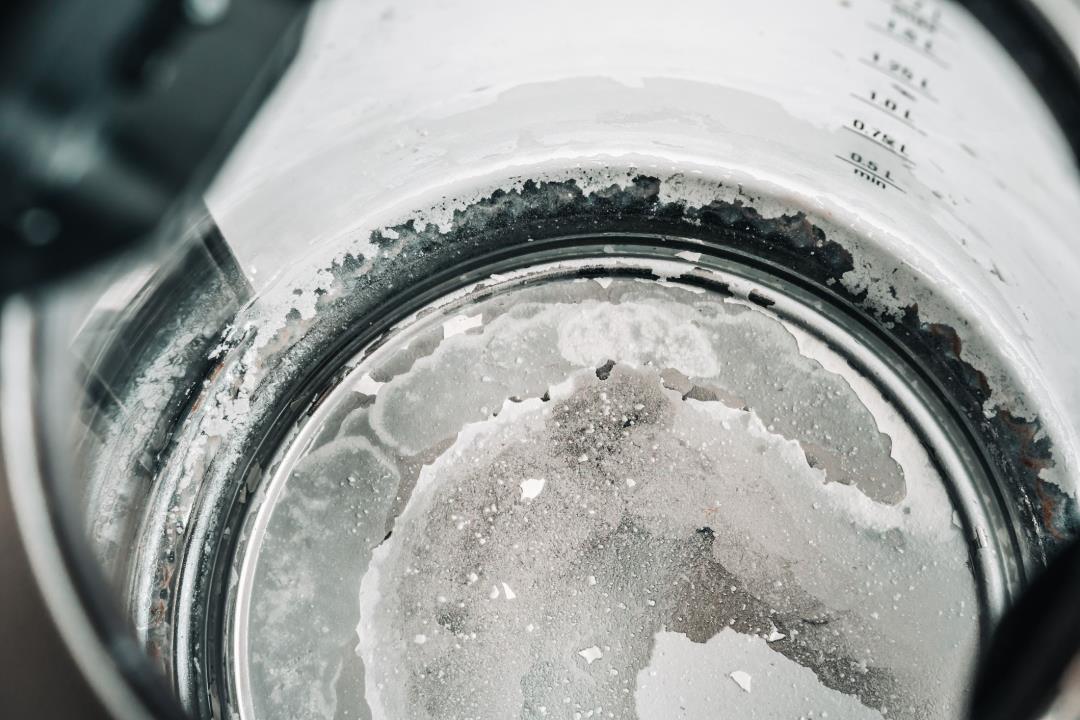
A new study suggests that boiling tap water for five minutes and then pouring it through a coffee filter can remove nearly 90% of microplastics and nanoplastics, which have been found in tap water worldwide. The process involves the formation of crystalline structures that encase the plastic particles during boiling, which can then be removed with a basic filter. While this method is effective for hard water, it is less so for soft water. Researchers believe this strategy could significantly reduce human exposure to microplastics and pave the way for further investigations.

"Revolutionary Plant-Based Filter Provides Clean Water Solution"
science-and-technology3 years ago

"Revolutionary Plant-Based Filter Provides Clean Water Solution"

A DIY filter using plant xylem, inspired by an MIT paper, has been developed by BeraAjan for outdoor enthusiasts to obtain clean water. The filter utilizes the thick xylem found in young conifer branches, with the whole twig placed in a tube for water to filter through. While not the fastest option, it provides an alternative to nanotechnology filters for those in need of clean water during outdoor activities.

Revolutionary Plant-Based Filter Purifies Water by Eliminating 99.9% of Microplastics
environment3 years ago

Revolutionary Plant-Based Filter Purifies Water by Eliminating 99.9% of Microplastics

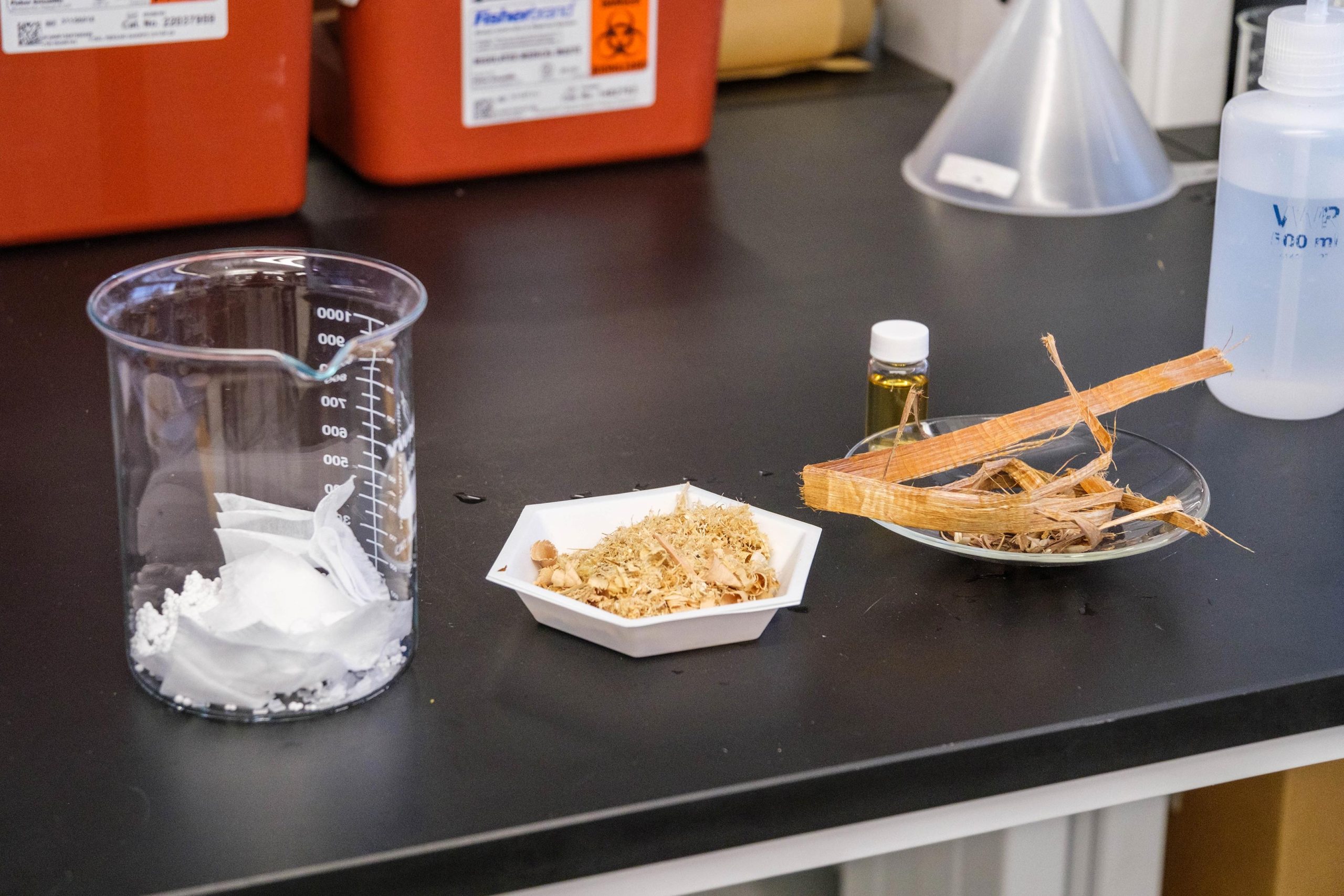
Researchers have developed a plant-based water filter, called "bioCap," that can remove up to 99.9% of microplastics from water. The filter, made of sawdust and polyphenols like tannic acid, effectively interacts with polymer particles, including microplastics, to provide a low-cost and scalable solution. The filter's ability to remove particles as small as 110 nanometers in diameter, which can cross the blood-brain barrier, shows promise for reducing the health risks associated with ingesting microplastics. The researchers believe this sustainable solution could be scaled down for home use or scaled up for municipal treatment systems.

Wood Dust Device: The Ultimate Solution to Capture 99.9% of Microplastics in Water
environment3 years ago

Wood Dust Device: The Ultimate Solution to Capture 99.9% of Microplastics in Water

Scientists at UBC's BioProducts Institute have developed a plant-based water filter called "bioCap" that can capture nearly 99.9% of microplastic particles in water. By adding tannins, natural plant compounds, to a layer of wood dust, the filter effectively traps microplastics. The researchers believe this scalable and sustainable solution could be used in municipal treatment systems or even for home use. Microplastics pose a significant threat to aquatic ecosystems and human health, and this innovative approach offers a promising way to combat the problem.

Wood dust device: A solution to microplastic pollution in water and farmland
environment3 years ago

Wood dust device: A solution to microplastic pollution in water and farmland

Scientists at UBC's BioProducts Institute have developed a water filter that uses tannins, natural plant compounds, and wood dust to trap up to 99.9% of microplastic particles in water. The filter, called "bioCap," is made from renewable and biodegradable materials and shows promise in preventing microplastic contamination in water supplies. The method has been tested on various types of microplastics and has proven effective in capturing different sizes, shapes, and electrical charges. The researchers believe that the solution can be easily scaled up and implemented in municipal treatment systems or scaled down for home use.

The prevalence and removal of PFAS chemicals in U.S. tap water
health-and-environment3 years ago

The prevalence and removal of PFAS chemicals in U.S. tap water

A new federal study reveals that 45% of tap water in the United States could contain PFAS, a class of "forever chemicals" linked to negative health outcomes. While the responsibility for resolving the issue lies with companies that heavily use PFAS and public water utilities, individuals can take steps to reduce their exposure. They can check with their public utility or get their private well tested for PFAS. If PFAS is found, utilizing filtration systems like reverse osmosis filters can effectively remove the chemicals. Experts recommend filtering tap water rather than relying on bottled water, which can also contain PFAS.